Portuguese
  Spanish


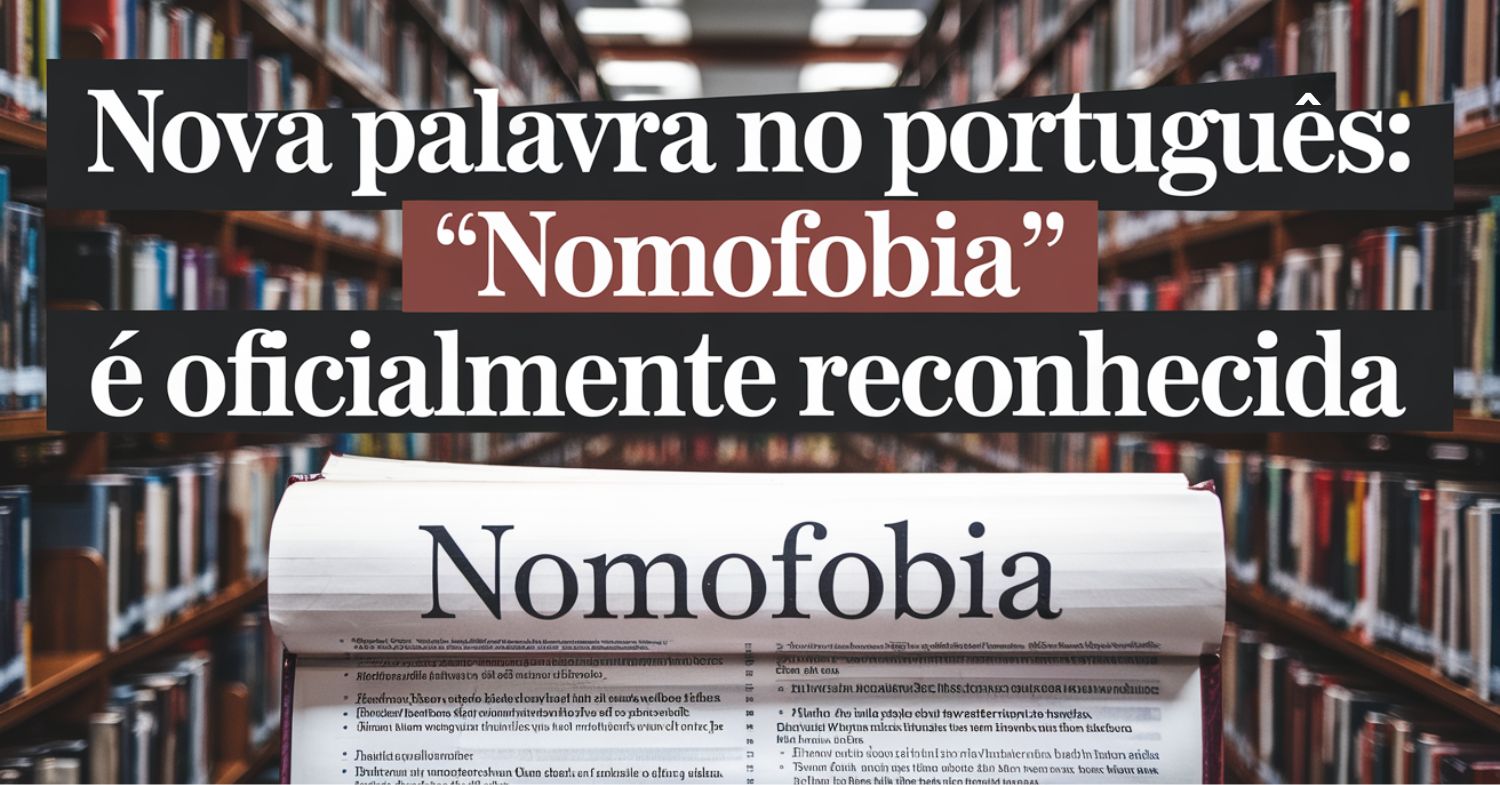

“Nomophobia”, the new word in Portuguese is officially recognized in the Portuguese language! Discover the meaning of this term and how it impacts millions of people in the digital world.
The word “nomophobia” has been officially recognized in the Portuguese language and incorporated into the Vocabulário Ortográfico da Língua Portuguesa (VOLP) by the Academia Brasileira de Letras (ABL) on Friday, February 7, 2025. The term, derived from the English “no mobile phone phobia“, refers to the irrational fear of being without access to a mobile phone or the internet, a phenomenon increasingly present in modern society. The inclusion in VOLP reflects the growing technological dependence and the impacts that excessive use of mobile devices can have on human behavior. According to experts, nomophobia has been the subject of studies in areas such as psychology and neuroscience, as it can trigger anxiety, stress, and other negative effects on mental health. Check out the details regarding the new word in Portuguese.
Understand the Meaning of the New Word in Portuguese
In this sense, the inclusion of new words in the language arises from the demand to name modern phenomena that impact the daily lives of Brazilians. These neologisms or expressions expand our ability to communicate and understand the world, indicating that language develops as a mirror of the cultural and technological transformations we experience.
Nomophobia describes the pathological fear of being without access to a mobile phone or similar electronic devices, such as computers and tablets. This condition reflects modern dependence on technology, especially regarding connectivity with the internet, contacts, and applications.
-
Brazil Unveils Search and Rescue Drone Capable of Carrying 50 kg, Equipped with Thermal Camera and Lifebuoy Deployment for River, Flood, Beach, and Remote Area Assistance

-
Labor Shortage: The Essential Profession Keeping Brazil’s Buildings, Hospitals, and Businesses Running Faces Workforce Deficit with Over 802,000 Employed
-
Adventurer Camps in Giant Fig Tree in the Brazilian Amazon After Spotting It with Drone

-
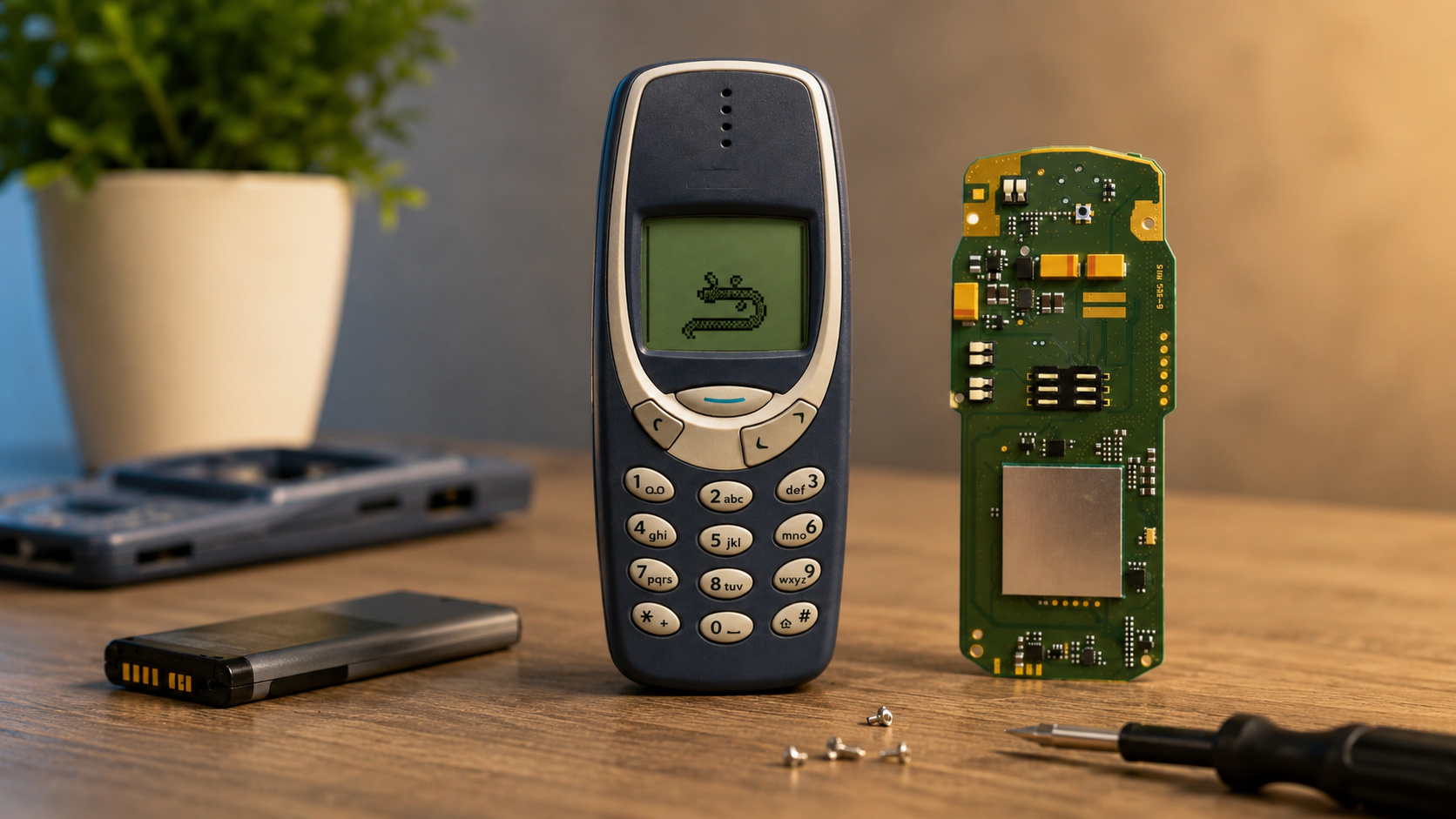
Nokia 3210 Revived with Modern Features by Enthusiast, Retains Classic Design After 25 Years



The new word in Portuguese, interestingly, comes from the English nomophobia, a combination of no mobile (No mobile phone) and Phobia (fear), and has become important due to the intensive use of these devices in daily life. Examples of phrases that illustrate nomophobia, the new word in Portuguese, include:
- Experts warn that nomophobia is becoming a more common mental health issue;
- During the pandemic, due to social isolation and increased use of technology, cases of nomophobia rose;
- Those who suffer from nomophobia feel panic at the thought of being without internet access or a dead battery on their phone;
- Quality of life can be affected by nomophobia;
- To combat nomophobia, it is essential to set limits on mobile phone use and seek offline activities.
Impacts of Nomophobia with the Arrival of New Government Law
At the beginning of this year, a law sanctioned by the president Lula restricted the use of mobile phones in public and private schools throughout Brazil. The measure, already implemented in other countries such as France, Finland, and the United States, goes against nomophobia, a problem that can impact teenagers, children, and even adults.
Feeling anxious when away from using the mobile phone for long periods, needing to take several breaks during activities to use the device, panicking when without internet access, waking up at night to check for new notifications, and frequently checking the phone for new messages to the point of drawing others’ attention are just a few symptoms of Nomophobia.
Since 2018, nomophobia has been defined by the World Health Organization (WHO) as an irrational fear of being without a mobile phone or other electronic devices; however, it has only recently been recognized as a new word in Portuguese.
Besides harming a person’s daily life, affecting everything from studies or work to personal relationships, this addiction can cause brain changes, affecting behavior, especially in teenagers.
VOLP Also Adds Other Words
In addition to the new word in Portuguese, Nomophobia, VOLP has also added new words. Among them is Apneist, a term that refers to an athlete who practices breath-hold diving, a modality in which the diver voluntarily holds their breath to remain submerged for as long as possible, reach great depths, or cover distances.
The term can also be used as an adjective to describe activities or equipment related to breath-hold diving. The word gained relevance with the growth of freediving as a sport and recreational practice.
Among other words, we also have Cryovolcano, a type of volcano found on icy celestial bodies, such as moons of distant planets, which releases substances like water vapor, ice, methane, and ammonia, instead of lava.