Portuguese
  Spanish


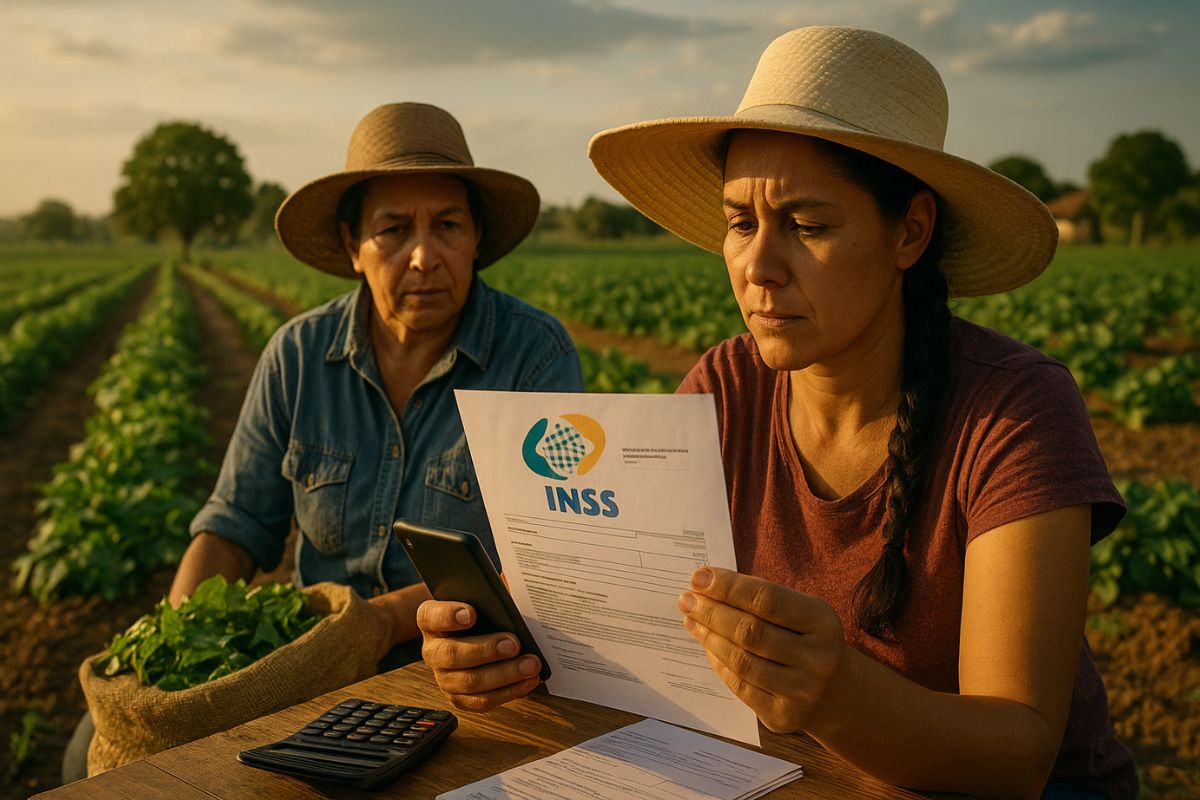


The Great Change Is Not Just Digitalization, But The Automatic Cross-Referencing Of Data By The New Platform That Can Reduce Denials Of Rural Maternity Pay And Expand Access To The Benefit In 2025 And 2026.
The rural maternity pay, paid by INSS, is undergoing a technological transformation that can change the lives of thousands of rural workers. Starting in 2025, a new digital platform will begin to analyze requests automatically, cross-referencing official data and decreasing the chances of unfair denials. According to FDR portal, the aim is to provide faster processing, less bureaucracy, and broaden access to an essential benefit for rural families.
Until now, many women faced long trips to social security agencies, lengthy queues, and denials for simple documentation errors.
Now, the system promises to process requests online, eliminating in-person steps and increasing the accuracy of analyses.
-
Brazilian Startup Turns Coffee Grounds into Plant-Based Leather, Cutting Water Use by Over 50 Times for High-Impact Sustainable Fashion

-
Eco Invest Auction Aims to Unlock $10 Billion in Investments, Focusing on Green Fertilizers, Critical Minerals, Batteries, and AI for Clean Industry in Brazil

-
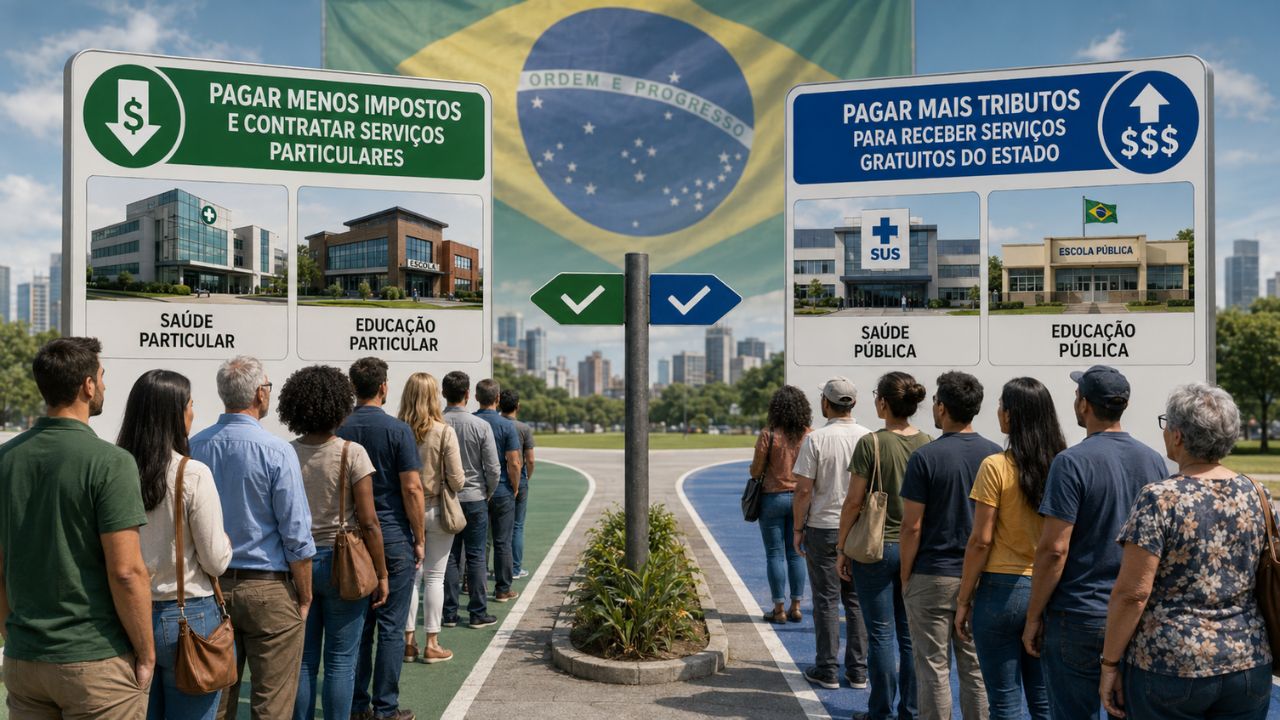
Half of Brazilians Prefer Lower Taxes with Private Health and Education, While 44% Opt for Higher Taxes for State-Provided Services, Datafolha Survey Reveals

-
Brazil’s Most Expensive Toll Rises to R$ 40.60 on Route from São Paulo to the Coast, Nearly Matching Bus Fare to Santos



How The New INSS Platform Works
The major innovation is the automatic cross-referencing of information. The system checks records of rural activity, links, and contributions directly in official databases, reducing human errors and the demand for excessive paperwork.
This process, which is nearly in real time, is expected to speed up the granting of benefits and reduce the historical rate of denials, which has always been one of the biggest challenges faced by rural workers.
It will still be necessary to present minimal documentation to prove rural activity in the 12 months prior to the request, but electronic verification significantly reduces the margin of error.
The platform also allows digital attachment of supporting documents when necessary, adding more security to the process.
Impact on Rural Workers
Historically, rural maternity pay has faced bureaucratic obstacles that often prevented women entitled to the benefit from accessing it.
Illegible documents, filling errors, and discrepancies in registrations were common reasons for denials.
With the new tool, the expectation is for more social justice, as the benefit will be analyzed based on official data rather than solely on manual interpretations.
This minimizes the risk of errors and increases the confidence of workers that they will receive the resources guaranteed by law.
Advantages of Digitizing the Process
Among the points highlighted by INSS are:
- Remote Access: Requests can be made entirely online.
- Speed: Automated data cross-referencing is expected to reduce analysis time.
- Less Bureaucracy: Fewer documents required, as part of the verification will be done by the system itself.
- Transparency: Real-time tracking by the insured.
In addition to the speed, the measure may reduce costs related to travel and decrease the burden on INSS agencies, which often suffer from long queues and delays in benefit analyses.
What Remains Mandatory
Even with the innovation, legislation still requires that the worker proves rural activity in the 12 months preceding childbirth or adoption.
This means that documents such as sales invoices, lease agreements, or union declarations may still be necessary.
The difference is that the system now automatically checks these information against official registers, making the process more efficient.
The new platform from INSS can become a game-changer in access to rural maternity pay.
By cross-referencing data automatically and reducing bureaucracy, it promises to ensure that thousands of women receive their benefits more quickly and fairly.
And you? Do you believe that digitalization will truly put an end to unfair denials, or do you still see risks for rural workers?
Leave your opinion in the comments; we want to hear from those who live this reality every day.