






 Portuguese
  Spanish


New Australian Technology Promises to Transform Mining by Recovering Cyanide and Precious Metals from Waste, Reducing Environmental Risks, and Boosting Sector Sustainability.
The search for safer and more sustainable methods in gold mining has taken an important step with the development of a new technology created by scientists from Australia’s national science agency (CSIRO).
The innovation, called Green Gold Cyanidation Technology, has the potential to revolutionize the sector by enabling the recovery of precious metals and the recycling of toxic cyanide traditionally used in metal separation.
Reuse of Toxins and Environmental Gains
After successfully completing a one-month laboratory pilot, the new technology is ready to be tested in larger-scale field demonstrations.
-
OnePlus N6 Smartphone to Launch in India with 8,000mAh Battery and 45W SuperVOOC Charging, Lasting Up to Three Days

-
Scientists Plan to Release Air Bubbles Underwater to Protect Antarctica’s “Doomsday Glacier” from Melting

-
Chinese R6000 Drone Combines Airplane and Helicopter Features, Carries Up to 12 People for Multiple Missions
-
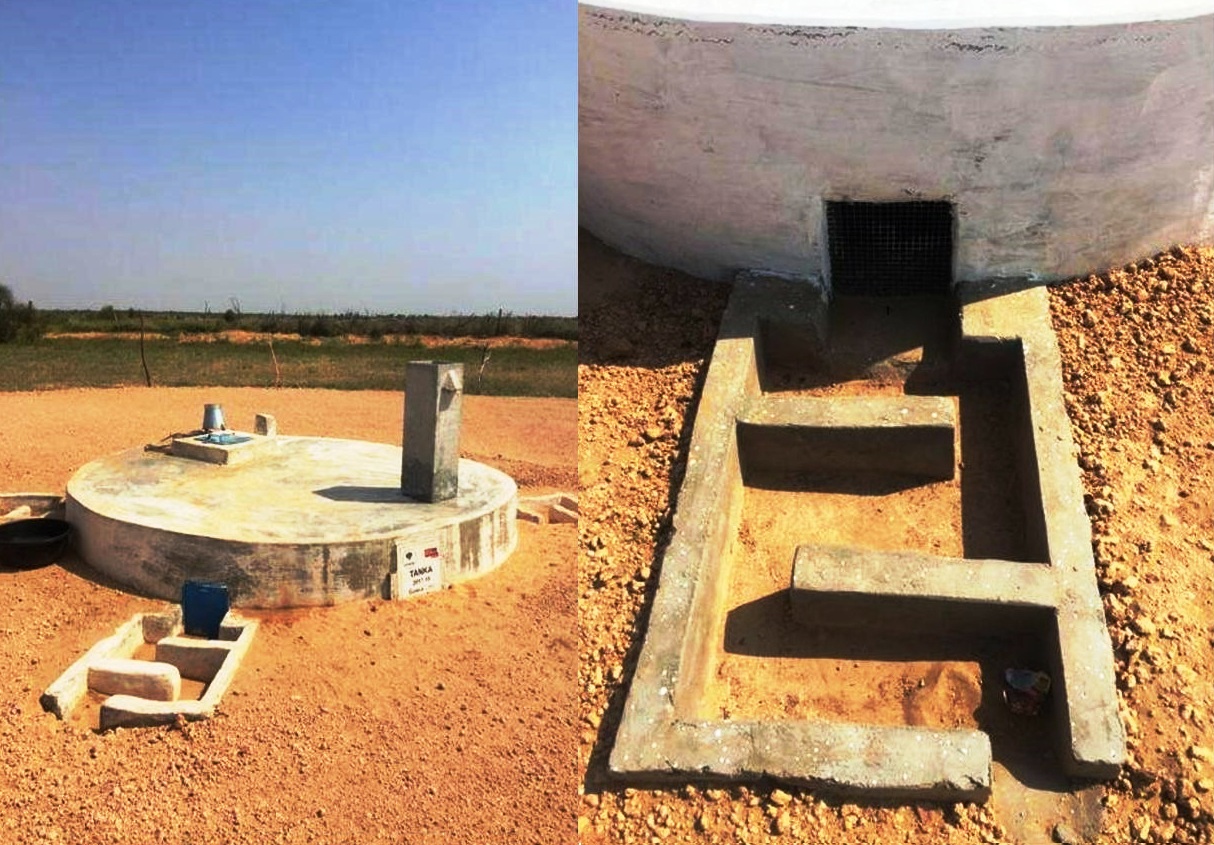
In the World’s Most Densely Populated Desert, Families Dig Funnel-Shaped Underground Cisterns to Capture Rare Rainfall and Store Drinking Water for Up to Eight Months




This advancement comes at a time when the mining sector is under increasing pressure for solutions that reduce the environmental impacts of gold extraction, particularly those associated with the use of hazardous substances.
Cyanide is one of the main chemical agents used to separate gold from ore, but improper handling can pose significant risks to health and the environment. Since the 1970s, accidents involving leaks have caused fish kill and contamination of farmland and water sources.
One of the most severe incidents occurred in 2000 when the Aural Gold Mine in Romania had its tailings dam break, releasing approximately 3.5 million cubic feet of contaminated waste into the Tisza and Danube rivers. The pollution affected aquatic life and water supply in an area of up to 400 kilometers.
Currently, the industry often destroys residual cyanide in tailings. However, the CSIRO’s proposal goes further: it reduces remaining toxic compounds and allows the recovery of valuable substances.
Efficiency and Economy in the Process
Researcher Dr. Xianwen Dai emphasizes that the technology not only recovers cyanide and other hazardous compounds but also extracts base metals and soluble gold that typically remain in the tailings unused.
Additionally, the new method reduces the costs and risks associated with the transport and storage of the chemical product.
Team colleague Dr. Paul Breuer reinforces that the impact of the innovation goes beyond the environmental aspect. “The technology can provide economic and environmental benefits far greater than those possible with current cyanide recovery and recycling technologies,” he stated.
He adds that with sufficient interest from the sector, the next step will be to conduct large-scale pilot projects that can improve gold yields and increase mining sustainability.
Evolution of Techniques and New Paths
The CSIRO already has a track record in innovative solutions for mining. Breuer’s team previously developed the “Going for Gold” process, which replaces cyanide with thiosulfate, a non-toxic substance.
The technology received the Australian Prospect Mining Award in 2014 and, after successful testing in a demonstration plant in Western Australia, was transferred in 2019 to Clean Mining for commercial use.
The approach was based on previous experiences from the Goldstrike Mine of Barrick Gold, which operated with a cyanide-free solution from 2014 to 2024.
Safer Alternatives on the Horizon
In addition to CSIRO, other institutions are also exploring safer pathways for gold extraction. Researchers from Flinders University in Australia have discovered a technique that uses trichloroisocyanuric acid, a cheap and harmless compound common in water treatment.
When activated by saltwater, the reagent effectively dissolves gold, offering a more sustainable alternative for recovering metal from ores and electronic waste.
With emerging technologies that combine economic efficiency and environmental responsibility, gold mining is approaching a scenario where the recovery of precious metals can occur with less ecological impact and greater resource utilization.


