






 Portuguese
  Spanish


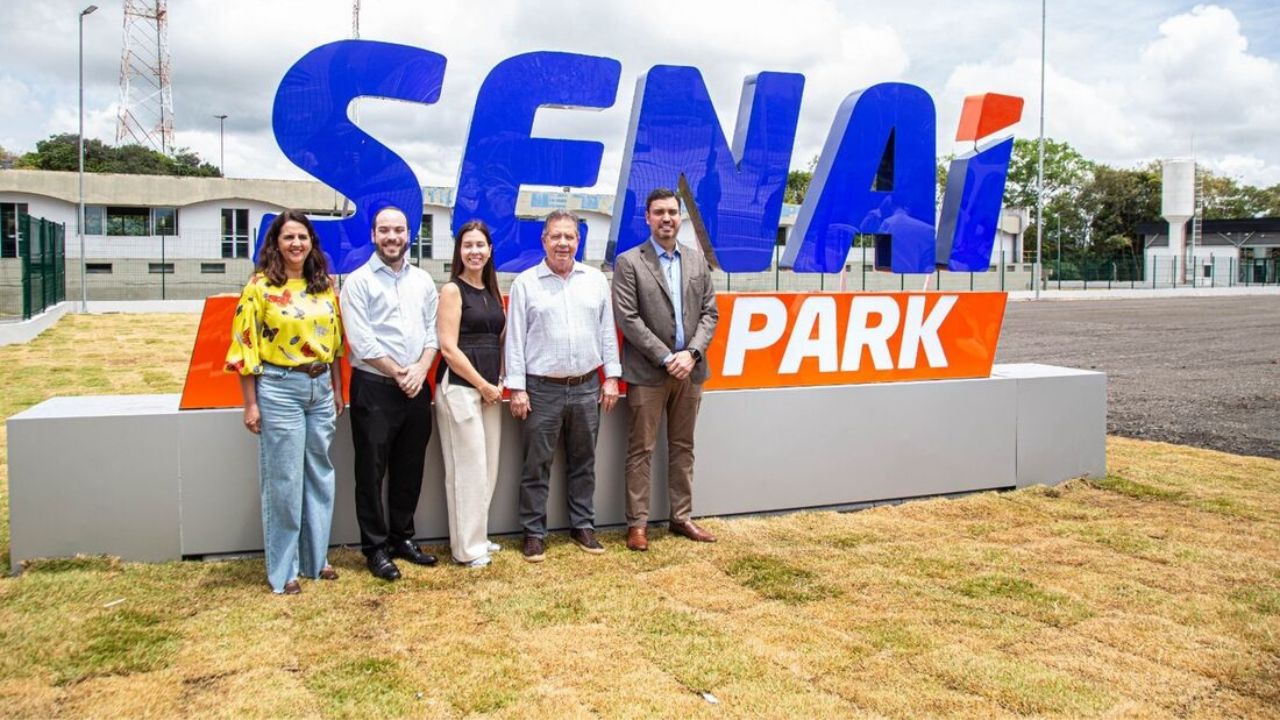

Senai Inaugurates Innovation Center in Technology Park to Accelerate Energy Transition in Brazil, Focusing on Green Hydrogen and Lithium Batteries to Transform the National Industry
Brazil will take a decisive step towards industrial decarbonization with the inauguration of Senai Park this Monday (20), a new industrial innovation center located in the Suape Port Complex, in Ipojuca (PE).
According to a report by Agência Brasil, the project, led by the National Service for Industrial Training (Senai), integrates a modern technology park aimed at research and development of clean technologies, focusing on green hydrogen and lithium batteries.
Senai Park Structure: Innovation and Sustainability
With investments exceeding R$ 100 million, Senai Park is born as a strategic hub to accelerate the energy transition in the Brazilian industrial sector. The initiative already has more than ten partner companies, which will develop projects in pilot plants to test sustainable solutions and increase productivity with lower environmental impact.
-
Brazil to Hold First Auction for Batteries to Store Solar and Wind Energy from the Northeast

-
Brazilian scientists are simultaneously advancing two research projects on clean hydrogen and driving solutions that could transform the energy matrix, enhance industrial competitiveness, and accelerate large-scale emission reduction targets.

-
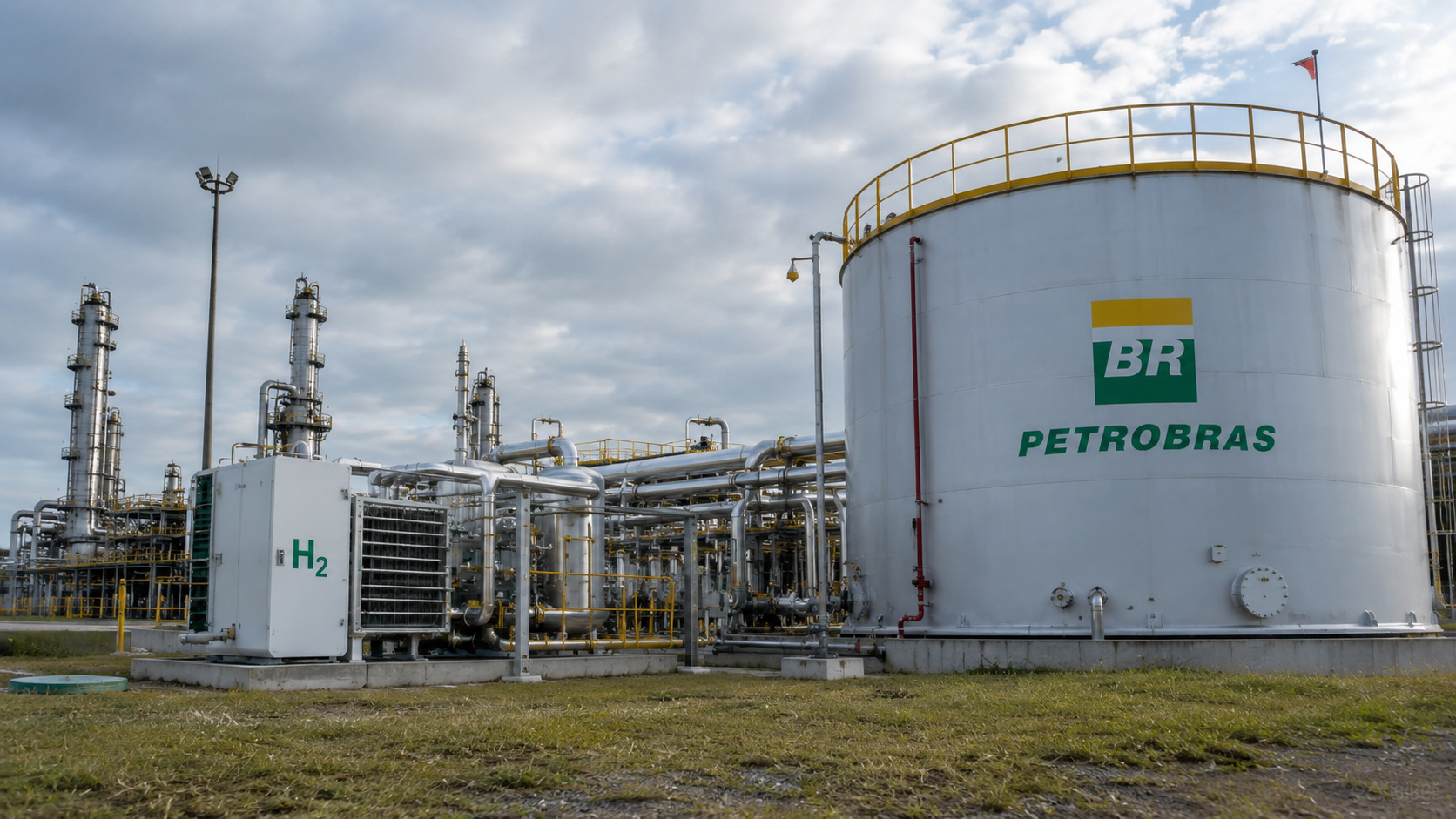
Advancement in renewable energy: A R$ 150 million project launched by Petrobras and Finep aims to create state-of-the-art electrolyzers for green hydrogen, strengthening national research and preparing Brazil to compete in a billion-dollar energy market.
-
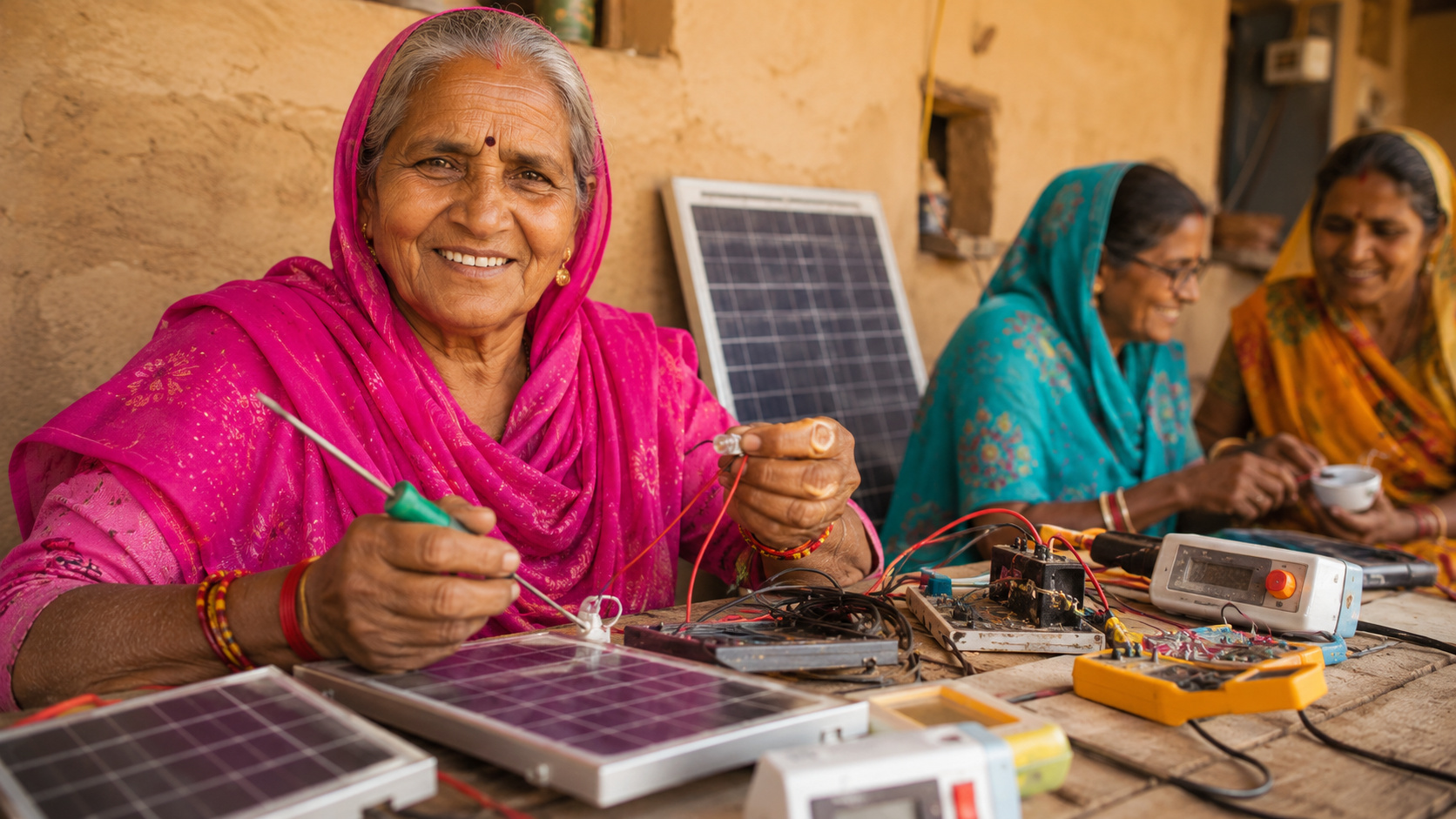
Illiterate or semi-literate grandmothers were trained to repair solar systems, open rural workshops, and light up homes that still depended on kerosene.
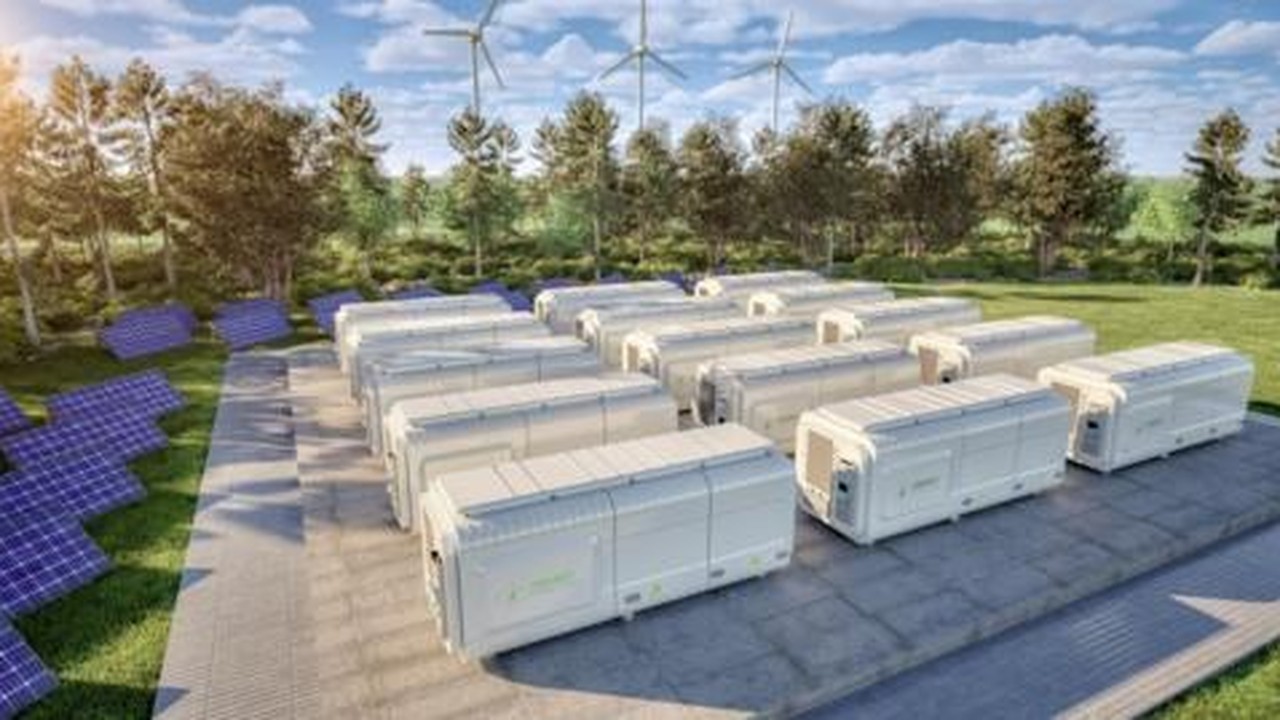
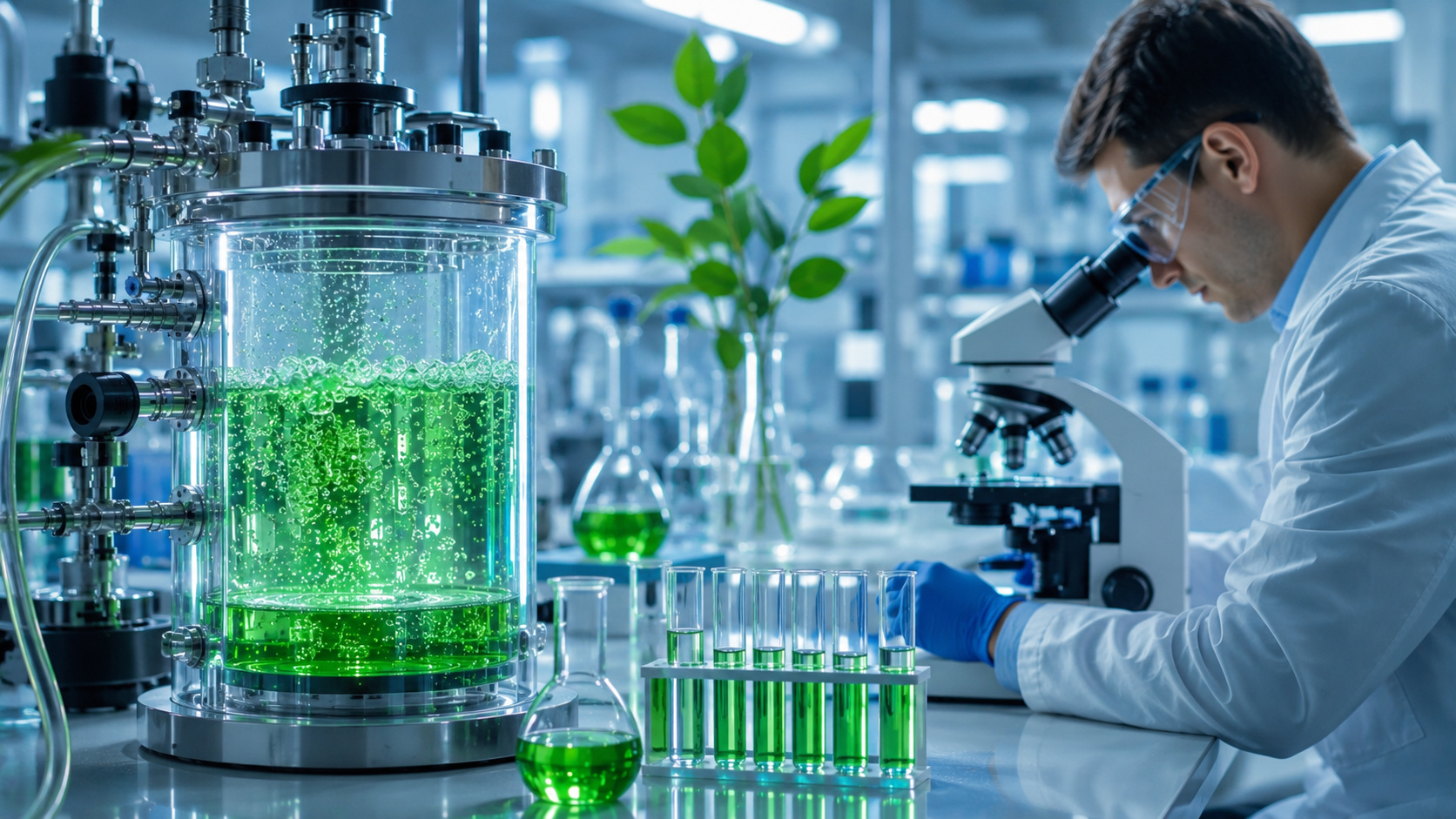
Senai Park has been designed as an environment for technological experimentation. Companies will be able to simulate industrial processes, test prototypes, and validate new techniques under real conditions, without compromising their production lines. This structure enables the industrial sector to safely advance in adopting sustainable technologies.
Among the projects already contracted, two focused on clean energy stand out:
- Production of green hydrogen through electrolyzers manufactured in Brazil;
- Development of low-voltage lithium batteries (12V and 48V) for light hybrid vehicles.
These initiatives align with global commitments to reduce greenhouse gas emissions and with the discussions of COP30, which will be held in Belém in November 2025.
Green Hydrogen as a Vector for Energy Transition
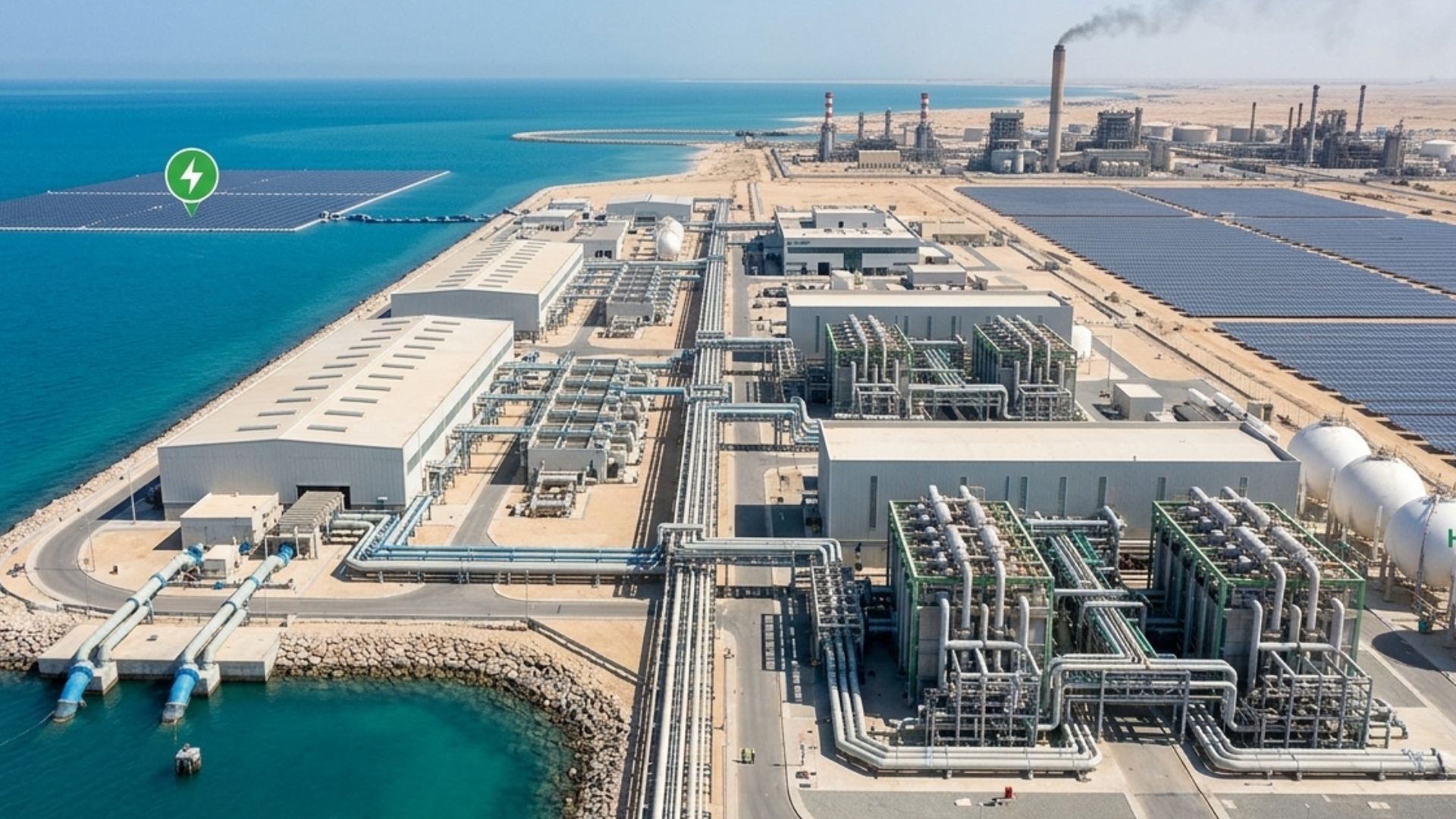
The green hydrogen project at Senai Park represents one of the most promising bets for the Brazilian energy matrix. Utilizing renewable energy to perform water electrolysis, the hydrogen produced does not emit CO₂, being considered a clean alternative for energy-intensive industries.
Brazil has competitive potential to lead green hydrogen production, thanks to its abundance of renewable sources such as solar and wind. According to sectorial estimates mentioned in studies by the Energy Research Company (EPE), the country can produce up to 10 million tons of green hydrogen per year by 2040, with investments estimated at US$ 100 billion.
At Senai Park, the project aims to develop more efficient and accessible production routes, as well as to train professionals to work in this new market. The initiative also seeks to integrate the national production chain, reducing dependency on foreign technologies.
Lithium Batteries: National Innovation for Hybrid Vehicles
Another highlight of the new industrial innovation center is the project for lithium batteries for light hybrid vehicles. Currently, these batteries are imported, which raises production costs and limits the country’s technological autonomy.
The goal is to nationalize production and increase the energy efficiency of hybrid vehicles, especially models that use compact batteries under the driver’s seat. The proposal is to develop more powerful batteries without increasing the occupied space, making vehicles more economical and sustainable.
Major automotive companies are already involved in the project, which aims to establish a pilot factory in the technology park by the first quarter of 2026. The expectation is that the first prototypes will be ready for field tests by the end of next year.
Professional Training and Technical Qualification at Senai
In addition to technological advancements, Senai Park will also play a crucial role in the training of skilled labor. The center will offer technical courses and training programs focused on the new demands of Industry 4.0 and the green economy.
The integration of research, industry, and education is one of the project’s pillars, which seeks to transform Brazil into a global reference in energy innovation. According to the regional director of Senai Pernambuco, the park will be a “living laboratory” to connect companies, startups, and educational institutions.
This collaborative approach strengthens the innovation ecosystem and accelerates the adoption of sustainable solutions on a large scale. The expectation is that thousands of professionals will be trained in the next three years, focusing on technologies such as green hydrogen, lithium batteries, and industrial automation.
Senai Technology Park as a Catalyst for Public Policies
The launch of Senai Park occurs at a strategic moment, with Brazil preparing to host COP30. The initiative reinforces the country’s commitment to the UN Sustainable Development Goals (SDGs), especially those related to clean energy and sustainable industry.
The energy transition is a priority in Brazilian public policies, and the new industrial innovation center at Senai directly contributes to this goal. By promoting technologies such as green hydrogen and lithium batteries, the technology park strengthens the competitiveness of the national industry and reduces its carbon footprint.
The project also aligns with the National Hydrogen Plan, launched by the Ministry of Mines and Energy, which provides incentives for research, development, and commercialization of low-carbon hydrogen technologies.
Perspectives for the Future of the Brazilian Industry
Senai Park represents a watershed moment in the trajectory of the Brazilian industry towards sustainability. Focusing on green hydrogen and lithium batteries, the new industrial innovation center offers cutting-edge infrastructure for research, development, and professional training.
The initiative positions Brazil as a protagonist in the global energy transition, while also strengthening its industrial and technological base. The union of innovation, education, and sustainability is the path to a cleaner, more competitive, and inclusive future.
With robust investments and strategic partnerships, Senai’s technology park is more than a research center: it is a catalyst for real changes in the national industry. The expectation is that, in the coming years, the model will be replicated in other regions of the country, expanding the positive impact on the economy and the environment.




como faço para entrar em contato com vcs?..
Your blog has quickly become my go-to source for reliable information and thought-provoking commentary. I’m constantly recommending it to friends and colleagues. Keep up the excellent work!