Portuguese
  Spanish


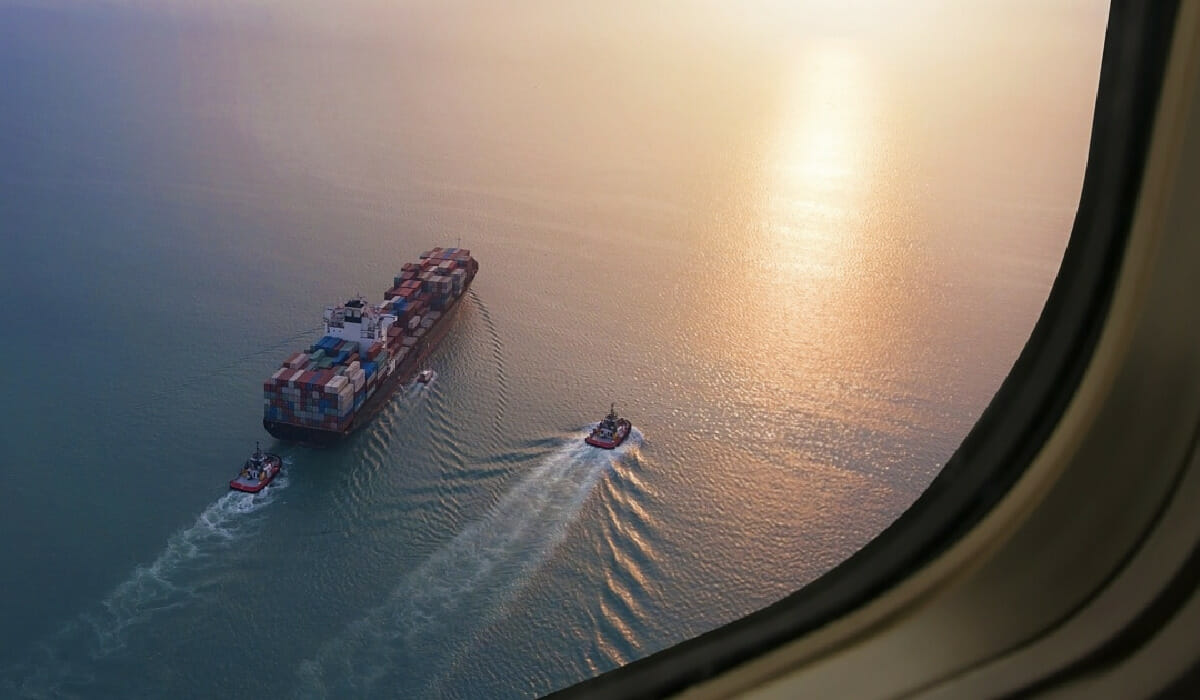

The New Fuel Called Neste Marine 0.1, Which Is a Marine Diesel, Brings 80% Reduction in GHG Emissions
The maritime industry is moving towards a more sustainable future with the recent collaboration between ScanOcean AB and Neste Oyj, resulting in the launch of Neste Marine 0.1, a low-emission marine diesel. This promising new alternative brings significant reductions in greenhouse gas (GHG) emissions compared to conventional fossil marine diesel options. The product, which involves the use of renewable raw materials, is set to give a new boost to the maritime sector towards more environmentally friendly practices.
According to Portos e Navios, the new fuel is a low-emission marine diesel developed through the combination of conventional refining processes with renewable raw materials. This innovative combination allows the new fuel to present a remarkable reduction of up to 80% in GHG emissions compared to fossil marine diesel alternatives. This achievement is a significant contribution to the fight against climate change and demonstrates the joint commitment of ScanOcean and Neste to create sustainable solutions for the sector.
The Low-Emission Marine Diesel Will Be Introduced to the Swedish Market Soon
Neste Marine 0.1 is about to become a reality in the Swedish market, where it will be initially introduced. The demand for greener marine fuels is growing, and ScanOcean is already seeing strong interest from several clients. With stricter European maritime regulations on the horizon, the quest for emission reductions becomes even more crucial. The new low-emission fuel positions itself as a strategic solution to meet these regulatory and environmental demands.
-
Over 60 Tractors Take to the Streets in Lopera as Solar Parks Compete with Olive Groves, Affecting 13,000 to 100,000 Trees According to Conflicting Reports

-
Green Hydrogen Projects in Northeastern Brazil Stalled for 18 Months Awaiting Government Decree, Delaying Billions in Investments
-
Brazil Concludes Largest Energy Auction in History, Secures 18.97 GW and Mobilizes $12.8 Billion to Ensure Supply Until 2031
-
How Norway Produces More Energy Than It Consumes with Nearly 1,800 Hydropower Plants and Over 1,100 Reservoirs


Companies Show Commitment to a Sustainable Future by Launching Low-Emission Fuel
The collaboration between ScanOcean and Neste to create Neste Marine 0.1 reflects a shared commitment to sustainability and innovation. As the maritime sector faces increasing challenges related to GHG emissions and pressure for greener practices, this initiative gains even more relevance. The reduction of emissions at an affordable cost is essential to ensure regulatory compliance and contribute to a cleaner, healthier future.
The launch of the new fuel is an important milestone in the pursuit of more sustainable and ecological navigation. By providing a low-emission marine diesel alternative that incorporates renewable raw materials, ScanOcean and Neste demonstrate their leadership in transforming the maritime sector. With the initial introduction to the Swedish market, Neste Marine 0.1 paves the way for a greener future at sea and inspires other market players to adopt innovative and environmentally conscious solutions.