






 Portuguese
  Spanish


Discover How the Transmission of the Coronavirus from Bats to Humans Occurs, the Risks Involved, and the Essential Measures for Prevention.
In recent years, the relationship between viruses and animals has been widely studied, especially in the case of coronaviruses.
Bats, often identified as natural hosts of different pathogens, attract the attention of the scientific community due to their role in virus transmission to humans.
But how does this transmission occur? What are the risks and how can we protect ourselves?
-
Bruno Guimarães, 28, Misses Crucial Penalty Against Norway in World Cup After Replacing Vinicius Jr.

-
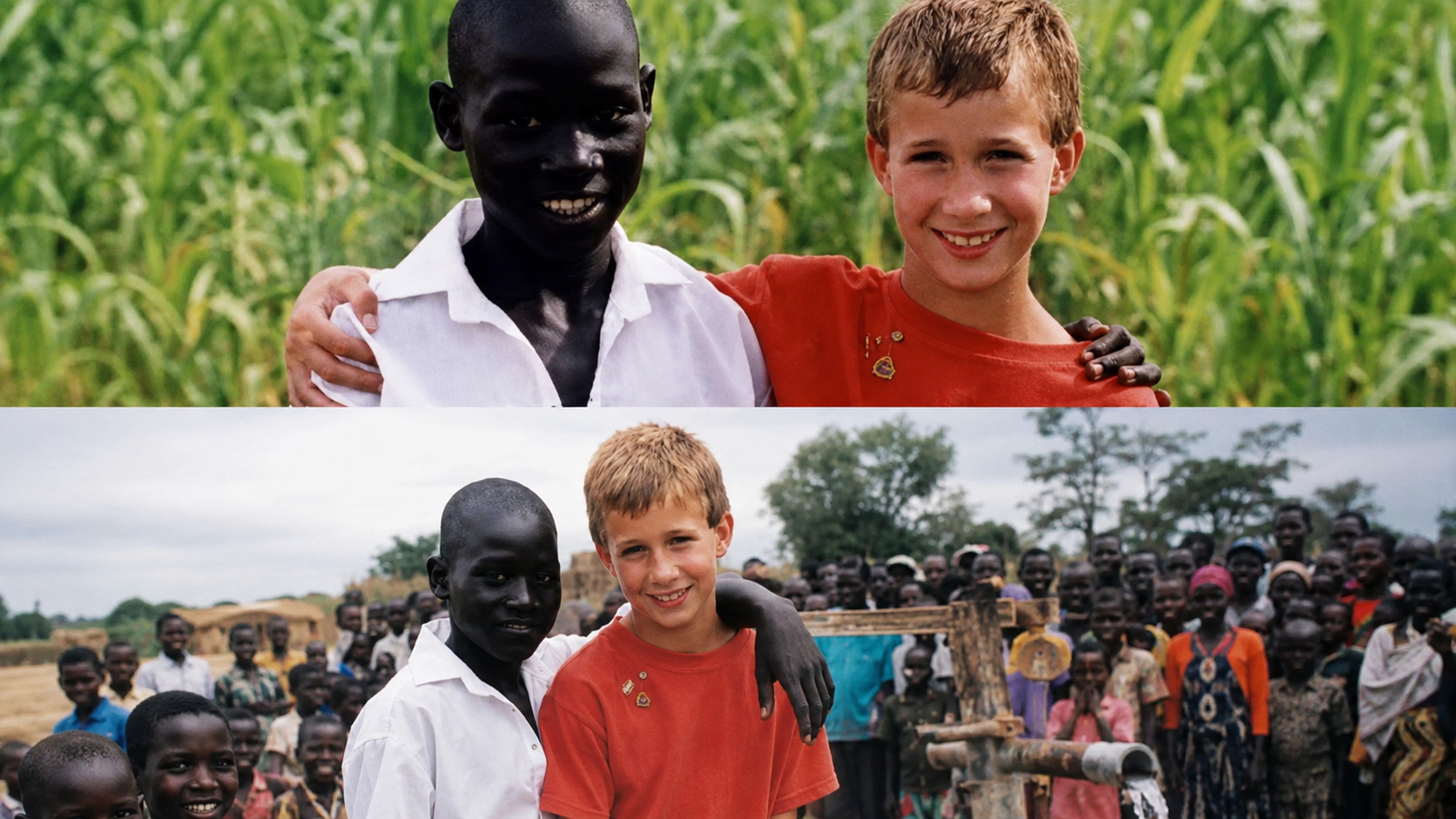
Inspired by a school lesson on Africa’s water crisis, a young boy raised money through chores to fund a well that transformed a Ugandan community.

-
Brazilian Construction Worker Moves to France, Earns Up to €2,500 Monthly with Home Renovations, Gains Social Media Attention

-
US Navy Sinks USS Oriskany with 230 kg of C-4, Creating World’s Largest Artificial Reef in 37 Minutes




The Origin of the Coronavirus in Bats
Researchers around the world have been analyzing for decades the ability of bats to harbor viruses without becoming ill.
This phenomenon occurs due to the unique immune system of these mammals, which allows viruses like coronaviruses to remain in their bodies without causing severe symptoms.
Studies indicate that some species of coronaviruses originated in bats and, over time, underwent mutations that enabled transmission to other intermediate animals and eventually to humans.
This viral adaptation process is known as zoonosis, when a pathogen crosses the species barrier.
How Does the Transmission of the Virus to Humans Occur?
The transmission of the coronavirus from bats to humans usually does not occur directly. Typically, the virus first passes through an intermediate host, such as pangolins or civets, before infecting people.
This intermediate stage allows the virus to adapt to the human body, making it more likely to cause infection.
Contact with these animals can happen in wildlife markets, where different species are kept close to each other, facilitating virus exchange.
Additionally, practices such as hunting and consuming wild animal meat increase the risk of exposure to coronaviruses and other dangerous pathogens.
What Does Science Say About Prevention?
The prevention of new pandemics involves monitoring the interaction between humans and wild animals. Among the main safety measures, experts recommend:
Avoiding the consumption and trade of wild animals: Reducing exposure to species that may serve as natural virus reservoirs.
Strengthening sanitary surveillance: Monitoring outbreaks in animal populations to detect new viral threats early.
Enhancing research on coronaviruses in bats: Better understanding the viral mutations and their transmission pathways.
Global Awareness About Zoonoses:
Educate the public about the risks of contact with wild animals and the importance of preserving their natural habitats.
Bats play a fundamental role in the ecosystem but are also potential reservoirs of viruses like coronaviruses. Transmission to humans usually occurs through intermediate hosts, and inadequate wildlife management practices increase the risks.
Therefore, it is essential to reinforce prevention strategies and raise awareness about the importance of balancing humans and nature to avoid future pandemics.





