Portuguese
  Spanish


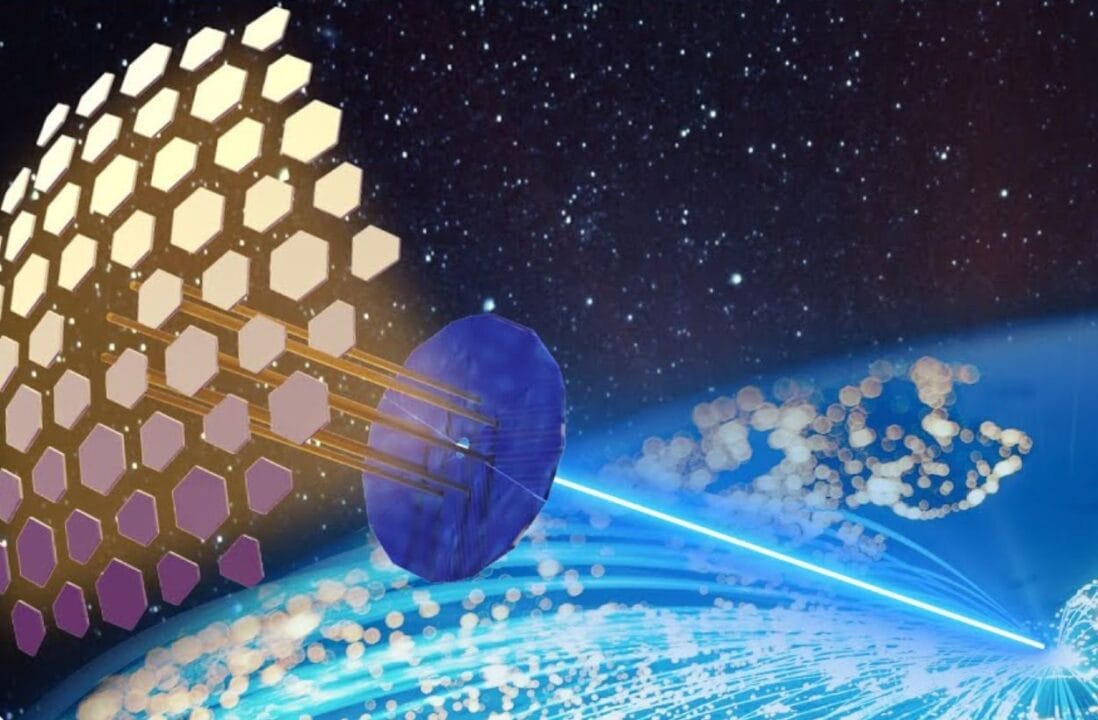

Exploring The Final Horizon Of Renewable Energy: How Innovation In Solar Power Generation And Transmission From Space Promises Uninterrupted Energy On Earth, Overcoming Solar Intermittency And Paving The Way For A Future Of Clean And Accessible Energy 24/7
In the vast universe of technological innovations, a brilliant idea emerges with the potential to completely transform the way we harness solar energy: generating solar power in space, transmitted wirelessly to Earth. But is this idea, as bold as it is fascinating, truly within the reach of our current technology? Prepare to dive into this cosmic journey and discover how solar energy can brighten our lives, day and night, without interruptions.
Photovoltaic solar energy, one of the pillars of the global energy transition, faces a notorious obstacle: its production is intermittent. During the day, especially under a clear sky, solar panels capture and convert sunlight into electricity. However, at night or on cloudy days, this energy source becomes inaccessible. And of course, the efficiency of solar capture varies throughout the year and is limited by the angle of sunlight and the Earth’s atmosphere.
Solar Energy Generation In Space
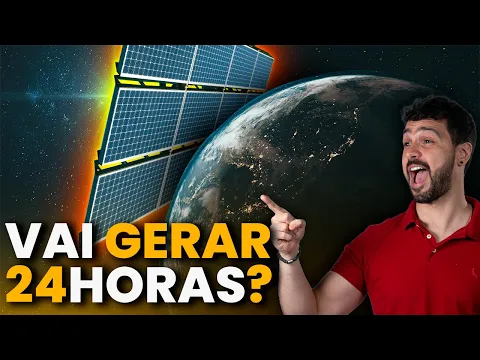

The answer to this dilemma may not be here, but 36,000 kilometers above us, in space. There, solar panels could capture sunlight uninterruptedly, without the barriers of the Earth’s atmosphere, and at a greater intensity. Imagine satellites equipped with immense solar panels, orbiting Earth and capturing solar energy 24 hours a day, 365 days a year. This energy would then be converted into microwaves and wirelessly transmitted to receiving stations on Earth, converting back into electricity and powering our conventional electrical grids.
-
Brazil saved US$ 32.4 billion in 2025 by switching from fossil to renewable energy and only ranked behind China and the United States on the IRENA global podium.

-
Fired during apartheid and with a little borrowed money, an electrician started with a borrowed truck and transformed electrical services into a group connected to energy, real estate, and infrastructure in South Africa.

-
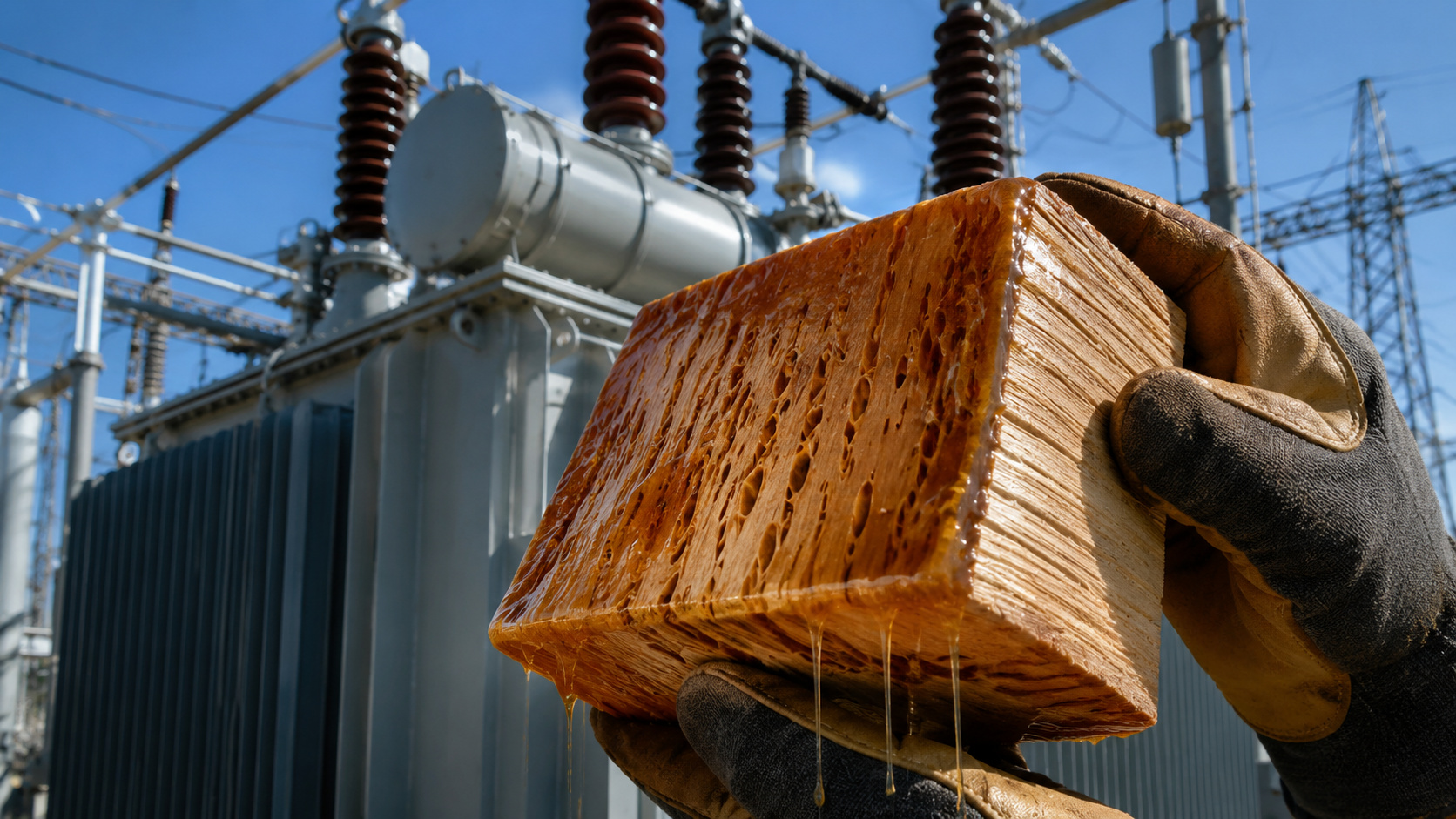
Wood has ceased to be just a construction material in Yale research and has become insulation for electrical transformers that face intense heat, aging, and increasing pressure from the renewable energy-powered grid.
-
More than 1,000 residents of a remote island in Kiribati now have clean water and electricity with solar systems operated by the community itself.



Is Renewable Energy Innovation Viable?
The concept, although it seems taken from a science fiction novel, is already being tested. Institutions such as the California Institute of Technology have demonstrated the possibility of wirelessly transmitting solar energy from space to Earth. Moreover, the decreasing costs of space launches in recent years make this idea more accessible than ever. Companies and space agencies around the world, including NASA, are investing in research and development to make space solar farms a reality.
The Bright Future Of Solar Energy
With the promise of generating up to 2.4 times more energy annually than terrestrial solar parks and 12 times more than offshore wind farms, space solar energy represents a potential revolution in the way we access and use energy. The projection is that by 2050, this form of energy generation will be more efficient and lower in cost, paving the way for a true democratization of access to renewable energy.
The idea of ‘solar energy generation in space’ and transmitting it to Earth wirelessly may seem a distant dream, but technological advancements are rapidly making it a tangible possibility. As we explore new frontiers, solar energy, the buzzword of our time, takes on a central role in our quest for sustainable and innovative solutions. Energy transmission, without the shackles of intermittency and earthly limitations, promises a future where sunlight, uninterrupted and abundant in space, could be the key to a greener and more sustainable planet.