






 Portuguese
  Spanish


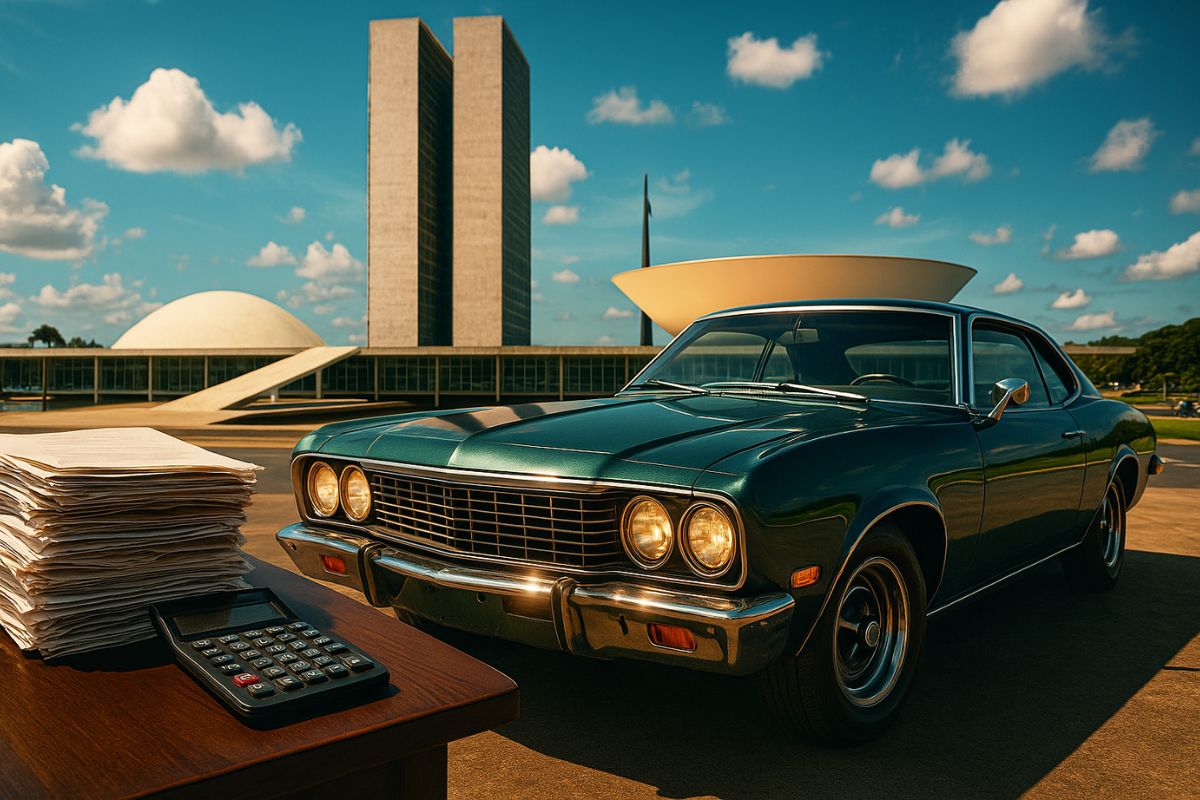


New Bill Could Change IPVA Rules and Impact Those Thinking of Selling Their Cars. PEC Under Consideration in Congress Proposes Tax Exemption for Vehicles Over 20 Years Old, but May Impact States
A new bill under discussion in the National Congress could significantly change the lives of those with old cars in Brazil. This is PEC 72/2023, which provides for the exemption from IPVA payment for passenger vehicles, pickups, and mixed-use vehicles manufactured over 20 years ago. However, the proposal does not cover buses and minibuses.
The measure seeks to standardize a criterion that currently varies between states, but experts warn that its implementation could bring unexpected effects on state revenue and the dynamics of the automotive market.
Who Would Benefit from the New Bill?
The IPVA exemption would mainly benefit owners of old cars that still circulate daily or vehicles considered collectibles. In many cases, these are cars owned by low-income families, who maintain vehicles with higher maintenance costs and devalued in the market.
-
Brazil’s 2026 Tax Refund: Record 9.58 Million Filers in Largest Payout Ever, But a Key Detail on Priority Recipients Draws Nationwide Attention

-
Itaú Alters Hybrid Work Model, Increasing Office Days from 2028, Prompting Employees to Adjust to New Routine
-
Facing Labor Shortage, Japan Plans to Invest $34 Million to Attract Foreign Workers in Construction, Healthcare, Industry, and Commerce

-
Brazilian City Makes Remarkable Leap, Becomes 4th Wealthiest in the Country with GDP of R$ 134.1 Billion




Currently, the rule is different in each state. São Paulo, Minas Gerais, and Rio de Janeiro already grant exemptions for vehicles over 20 years old, while in other states the timeframes are longer, or this benefit does not exist at all. The PEC would make the criterion national and mandatory.
How Much Could States Lose from the Exemption?
The IPVA represents an important source of revenue for states and municipalities. By removing old vehicles from the tax base, state governments will have to seek alternatives to compensate for the drop in revenue.
Experts point out that one solution could be to increase the tax rate for newer vehicles, which could directly impact those thinking of selling their cars to acquire a more recent model. Another alternative would be to create fleet renewal programs, encouraging the exchange for less polluting vehicles.
Where Will the Impact Be Greater?
The proposal affects each region differently. In states where the fleet of old vehicles is larger, the revenue loss could be more significant. In areas where the criterion already exists, the change would only bring about national standardization.
However, there are those who defend that the measure could stimulate the preservation of classic and historical cars, something that already happens in collector clubs, especially in São Paulo and Minas Gerais.
Why Does the New Bill Divide Opinions?
Supporters of the PEC argue that old vehicles circulate less, pollute less, and cause less wear on public roads, which would justify the exemption. Additionally, relieving the burden on those who maintain a car over 20 years old would be a form of social justice, considering that many of these owners cannot afford to buy more modern models.
On the other hand, critics remind us that the measure may discourage fleet renewal, keeping cars with outdated safety and emissions standards on the streets. For them, the ideal would be to combine the exemption with enforcement policies and incentives for preventive maintenance.
Is It Worth Waiting for Approval Before Selling the Car?
For those considering selling a vehicle over 20 years old, the new bill may be a deciding factor. If approved, the IPVA exemption could slightly increase the value of these cars, as the annual cost of keeping the paperwork up to date would decrease.
However, there are still uncertainties in the legislative process. The PEC needs to go through a special committee, vote in two rounds in the Chamber, and if modified, it will return to the Senate. Only after that will the measure come into effect, likely in the following fiscal year.
The new bill on IPVA divides opinions and raises questions about the relationship between tax justice, state revenue, and national fleet renewal. For some, it is a positive measure to relieve the burden on those maintaining old vehicles. For others, it may generate fiscal losses and road safety issues.
And you, do you believe the new bill will really benefit owners of old cars or could it generate more problems than solutions? Share your opinion in the comments — we want to hear from those living this reality day to day.









Y déjame aclarar algo,no necesito permiso para hablar,soy libre,gracias
Yo creo que si el carro es mio y ya esta pago no tengo porque pagar nada más,cualquier impuesto que venga sobre lo que es mio es salario para el que no trabaja,ese es el punto