Portuguese
  Spanish



System Capable of Generating Solar and Wind Energy Simultaneously Revolutionizes the Energy Landscape with Its Efficiency
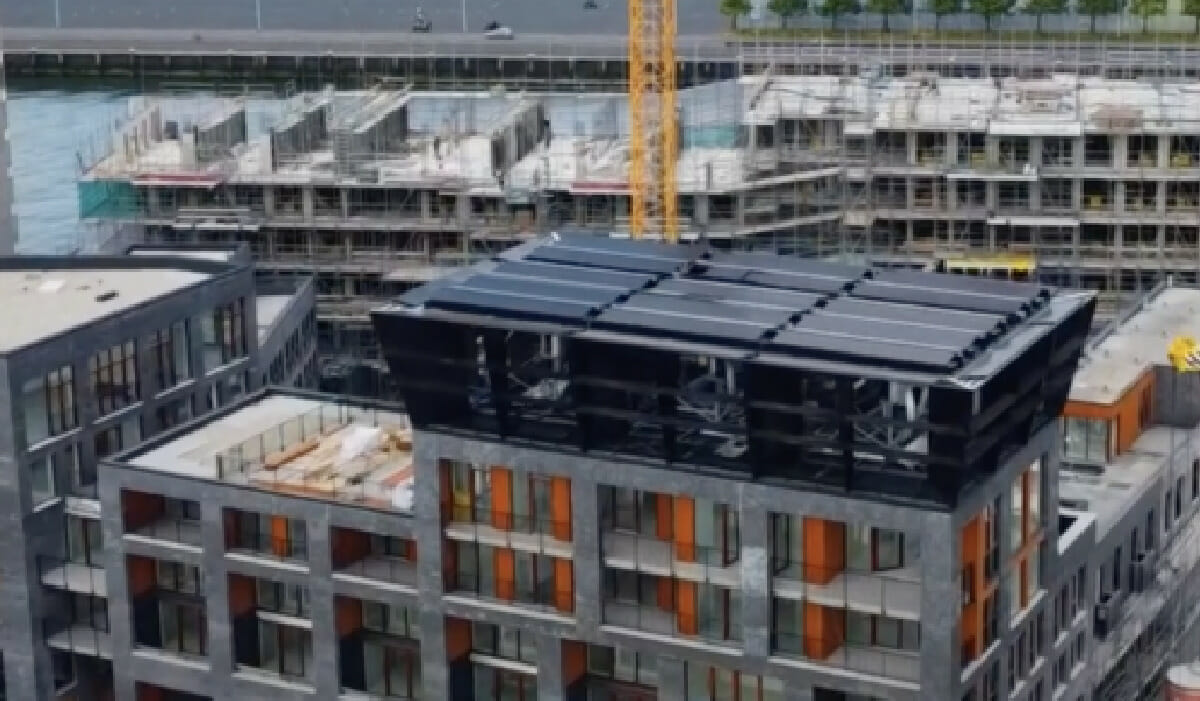
The Dutch company Ibis Power revolutionizes the energy landscape by introducing the PowerNEST, an innovative system capable of generating solar and wind energy simultaneously. Through wind turbines with inclined rotors and bifacial solar panels, the PowerNEST is a medium-sized modular structure, perfectly suited for installation on rooftops, ensuring greater utilization of natural resources.
According to Ciclo Vivo, the bifacial solar panels and wind turbines of the PowerNEST work in synergy to significantly boost energy generation. Using the Venturi Effect, the technology channels the airflow, increasing the wind speed over the wind turbines, even in light breeze conditions. Additionally, the wind passing through the panels helps cool them, increasing efficiency in electricity generation.
The Wind and Solar Energy System Can Generate Six to 10 Times More Energy Compared to Common Systems
The hybrid system of the PowerNEST can generate six to 10 times more energy compared to conventional solar generation systems. The company highlights that a single PowerNEST is capable of fully powering a 15-story residential building silently. Energy efficiency is enhanced by the modular installation, adaptable to different roof sizes, provided they have at least 50 square meters. The initial investment can be high, as in the example of the HaasjeOver building in Eindhoven, which cost €800,000, but the expectation is that costs will decrease with the expansion of the technology.
-
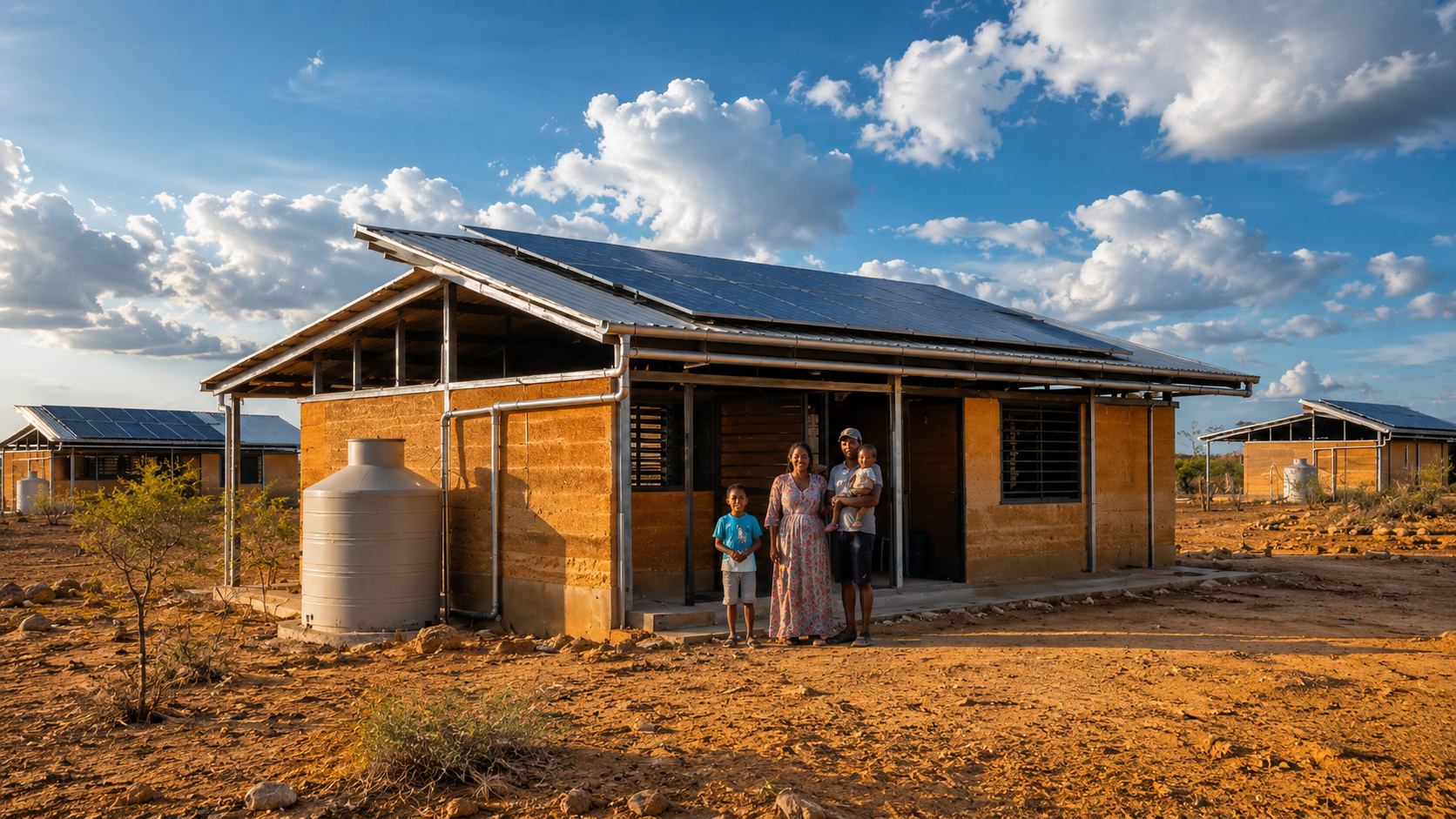
In Colombia’s desert, 30 families receive 80 m² homes with solar panels, waterless toilets, and rainwater collection systems amid water and energy shortages.

-
Solar Energy Booms in Brazil: Over $60 Billion Invested, 68.8 GW Capacity, 2 Million Jobs Created, Now Second in National Power Grid
-
Engie Secures 10-Year Use of 625 MWh in Batteries to Store Excess Solar and Wind Energy in Spain by 2028
-
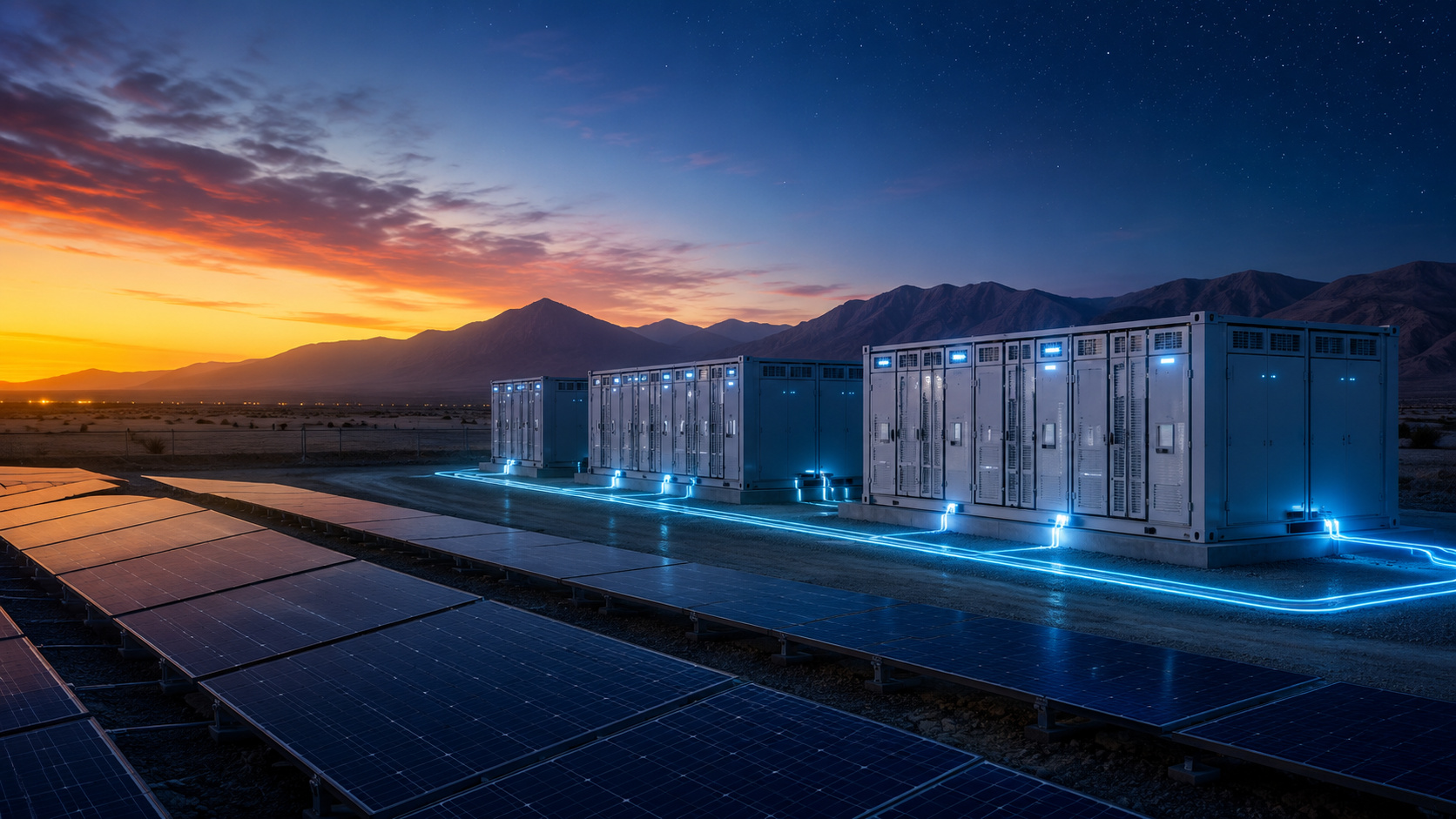
Giant Batteries Take Center Stage in Chile Auction as Company Offers 960 GWh of Solar Energy for Nighttime Use, Aiming to Stabilize Solar Power Supply


Commitment to Sustainability
The PowerNEST has already been installed in five projects in the Netherlands, demonstrating its potential for the sustainable energy market. The company continues to enhance the solar and wind energy system and aims to extend its reach to different types of buildings, whether residential, commercial, or public, that have flat roofs and adequate space for installation. Through the Ibis Power website, interested parties can learn about the project and request a customized quote, taking advantage of the innovation that combines green technology and energy efficiency in one place.
“The Paris Agreement marked a shift in global mindset when the majority of the world’s nations agreed that humanity is affecting the climate irreversibly. Back home, each country introduced its own regulations aimed at transitioning to renewable energy and meeting global sustainability targets. Many countries took immediate action by enacting environmental policies, which often included new building codes. The PowerNEST helps buildings around the world comply with the new local emissions standards,” says Ibis Power.