






 Portuguese
  Spanish


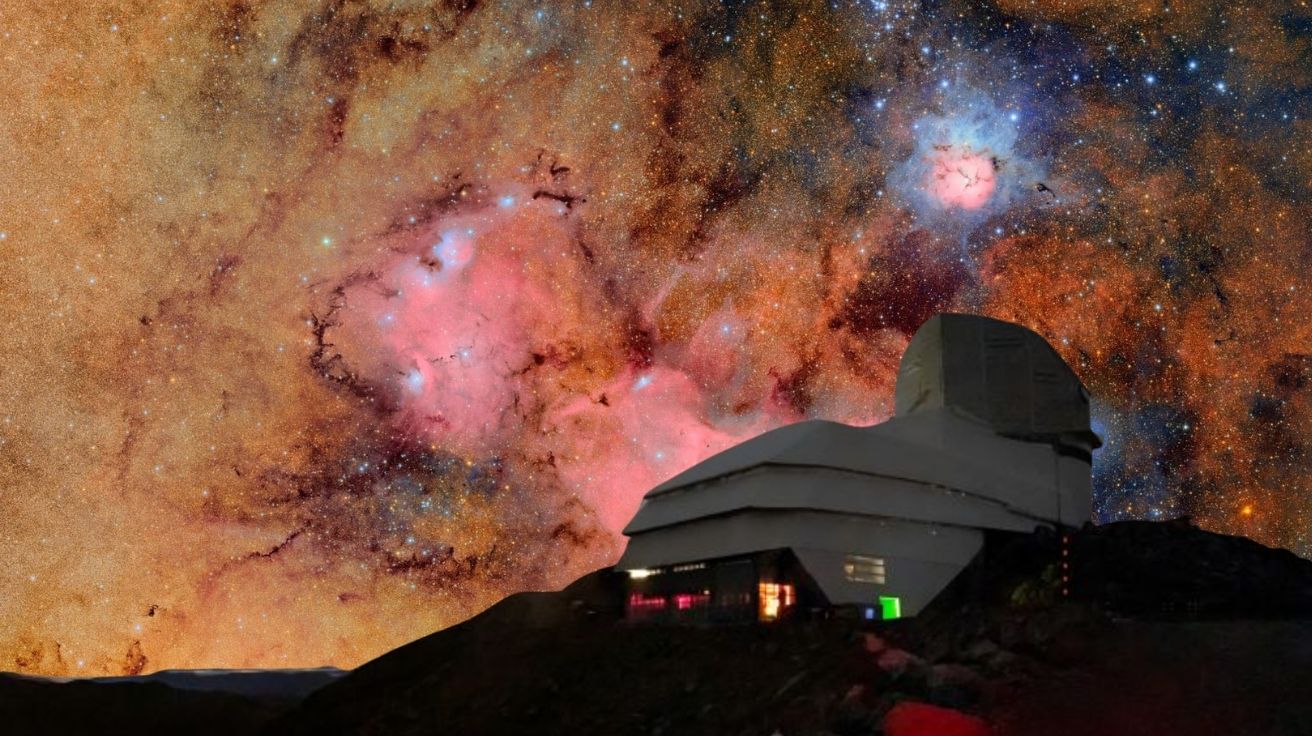


With a 3,200 Megapixel Camera Capable of Photographing a Grain of Sand on the Moon, the Chilean Observatory Begins a 10-Year Mission to Map Billions of Stars, Detect Dangerous Asteroids, and Search for the Mysterious Planet Nine
In a historic debut, the Vera C Rubin Telescope, located in the Chilean desert, captured its first images of the universe with unprecedented observational power, revealing more than 2,000 new asteroids, thousands of galaxies, and cosmic structures invisible to other instruments, marking the start of a continuous mapping of the celestial dome for a decade.
The First Images Reveal Billions of Stars, Galaxies, and Star-Forming Regions
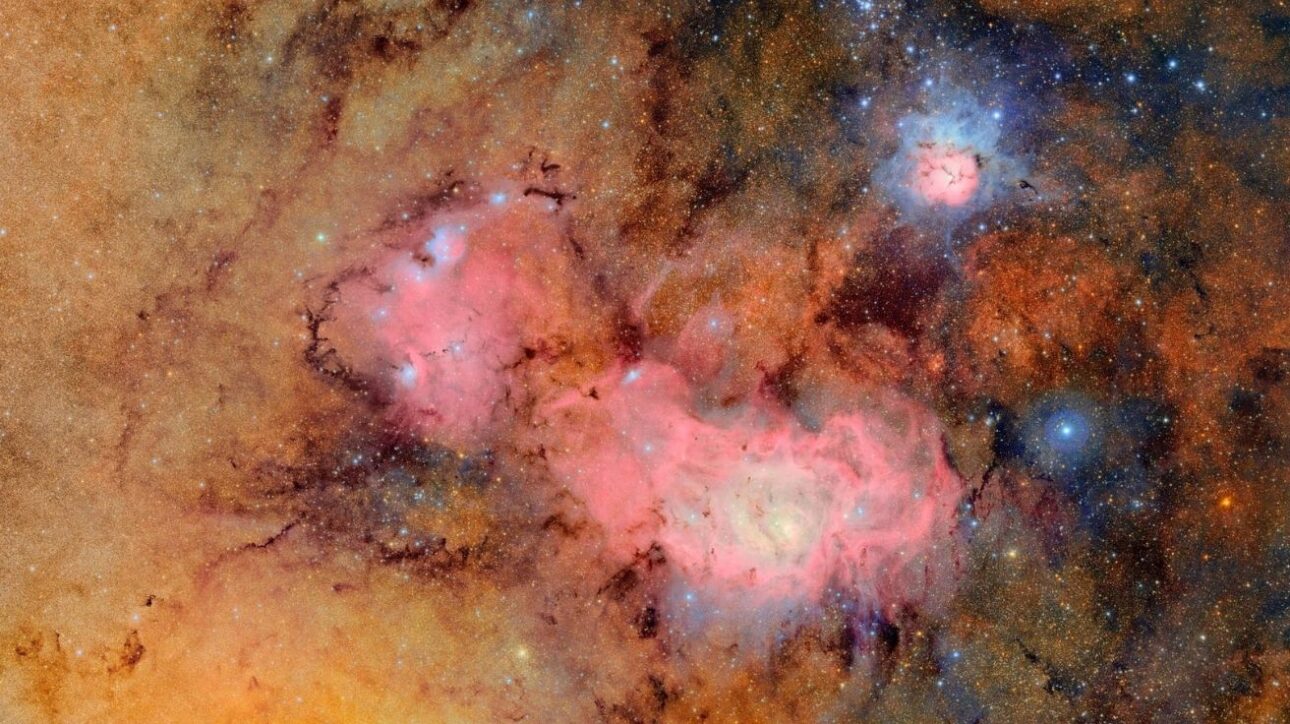
The first set of released images shows spectacular details of the Trifid Nebula and the Lagoon Nebula, located about 9,000 light-years from Earth. The photos captured by the Vera C Rubin Telescope reveal star clusters, colorful gas clouds, and cosmic structures never seen with such clarity.
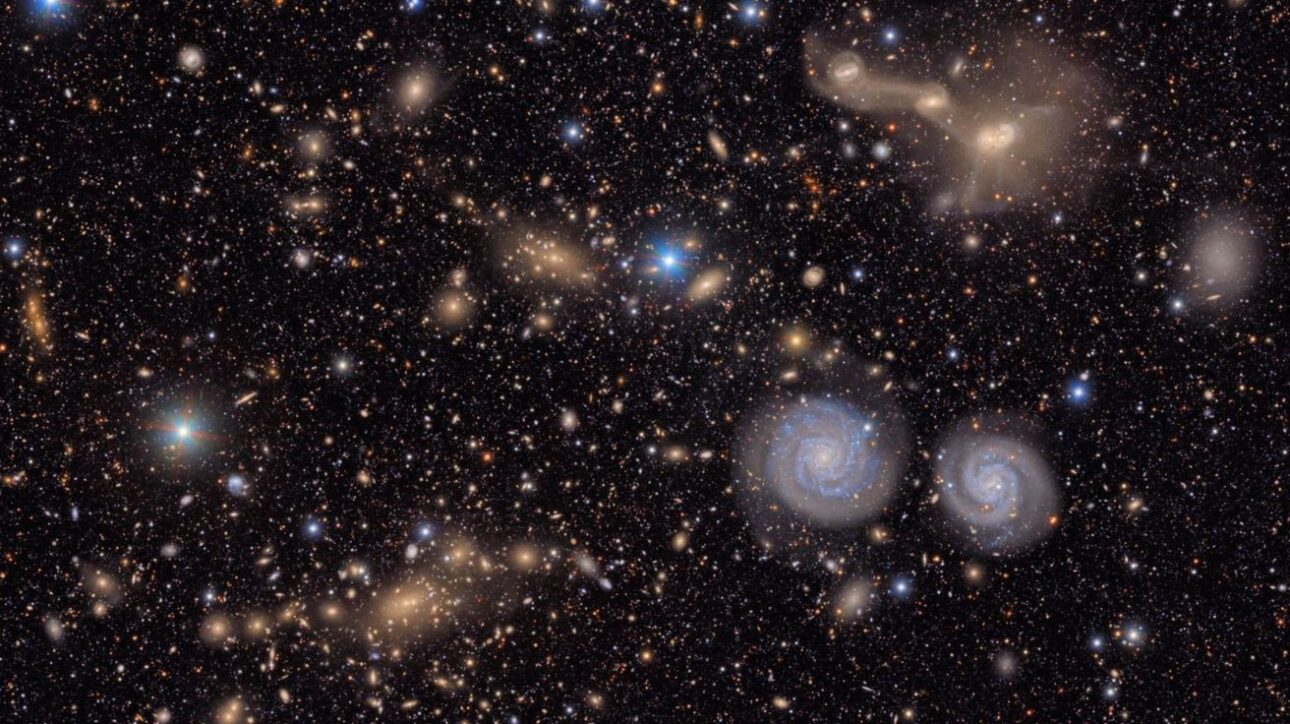
Among the recorded targets is also the vast Virgo Cluster, which contains millions of stellar systems and inspired, back in the 1930s, the first studies on the existence of dark matter. According to scientists, the new telescope will allow mapping of up to 20 billion unknown galaxies.
-
Realme Launches Affordable 16x 5G Phone with Military Certification, 6,600 mAh Battery, 50 MP Camera, and 6.8-Inch Screen Starting at $320

-
Amazonian Fruit Bacuri: A Nutrient Powerhouse with Antioxidants, Vitamins, and Bioactive Compounds, Ideal for Sweets and Beverages
-
Açaí Genome Sequenced for the First Time, Potentially Tripling the Speed of Developing New Cultivars
-
Brazilian Students Turn Recycled Plastic Bottles into Synthetic Yarn for Scarves to Aid Needy Families




With ultra-high resolution images that would fill 400 4K TV screens for complete display, the Vera C Rubin Telescope promises to capture a new photo every 40 seconds, for about 10 hours each night, sweeping the sky of the southern hemisphere every three to four days.
Objective of the Vera C Rubin Telescope Is to Study Dark Matter, Monitor the Sky in Real Time, and Search for the Enigmatic Planet Nine
Among the main objectives of the project are the study of dark matter and dark energy, which together account for 95% of the universe, as well as the investigation of supernovae, brown dwarfs, and rare events such as star collisions. The constant repetition of images will allow scientists to detect any changes in the sky in real time.
In just 10 hours of initial observation, the Vera C Rubin Telescope identified 2,104 new asteroids, including seven that pass close to Earth. Although none pose an immediate threat, the expectation is that the telescope will discover up to 90,000 new objects near the planet throughout the mission.

Another objective is to locate the hypothetical Planet Nine, a celestial body not yet confirmed that, according to theories, would be up to 700 times the distance from the Earth to the Sun. If it exists, the Rubin may be the first to identify it, thanks to its extreme sensitivity to faint light and moving objects.
Cutting-Edge Technology Makes Vera Rubin Unique in the World
Installed at an altitude of 2,682 meters on Cerro Pachón in the Chilean Andes, the observatory has an 18-story structure with an optical system of three mirrors and a 3,200-megapixel camera. The main lens, with a diameter of 8.4 meters, allows capturing extremely wide and detailed images.
The equipment is so precise that it could register a golf ball on the lunar surface. The entire structure is kept under strict conditions of darkness, without any artificial lighting, to preserve the purity of light captured from billions of years in the past.
The data generated, estimated to reach up to 500 petabytes by the end of the mission, will be processed by international centers, including a British hub responsible for decoding daily alerts. There will be about 10 million notifications each night for scientists around the world.
Vera C Rubin Super Telescope Project International Involves the United Kingdom, the United States, and Dozens of Universities
The Vera C Rubin Telescope is managed by a collaboration among the U.S. National Science Foundation (NSF), the U.S. Department of Energy (DOE), and global scientific institutions. The United Kingdom serves as one of the centers for analysis and storage of the obtained data.
According to astronomer Catherine Heymans from the University of Edinburgh, “we have never seen the universe in this way. It is like watching the cosmos live, transforming every night.” The Rubin not only reveals what is there but what changes, offering a new perspective on time and space.
The construction of the observatory took more than two decades and involved engineers, astronomers, and technicians from various nationalities. Daily operations involve keeping the telescope’s dome absolutely free of dust and light interference.


