






 Portuguese
  Spanish


A Public Toilet In A Peaceful Village In England Was Key To One Of The Most Impactful Espionage Networks Of The Cold War. Discover This Surprising Story.
At first glance, the public toilet in Alresford, a charming and quiet English village about 1.5 hours from London, seems absolutely ordinary. But this place, so routine, served as a drop point for secret documents from the British Navy during the tensest years of the Cold War. There, Soviet spies exchanged confidential information hidden inside the cistern of the toilet. It was the kind of place that no one would pay attention to — precisely why it was chosen. Today, this toilet is officially part of British history, carrying a plaque that says: “Secret information hidden in this toilet was periodically collected by Harry Houghton.”
The Start Of It All: Distrust, Betrayal, And Lots Of Suspicious Money
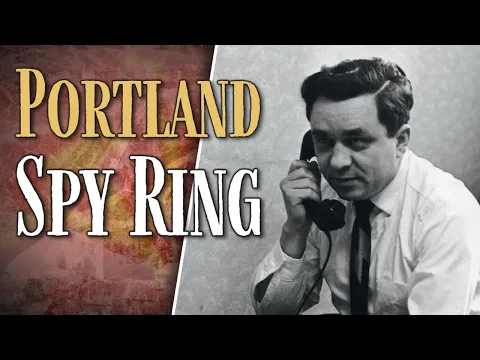
In the 1950s, Harry Houghton, a staff member at the Portland naval base, seemed to lead a normal life — but the reality was different. He made frequent trips to London and returned with too much money for a bureaucrat’s standards.
His wife, Peggy Houghton, started to suspect. She found strange envelopes, confidential documents, and saw her husband transform into someone paranoid and aggressive. In 1955, she alerted Harry’s superiors — three times. Ignored, she was accused of being a jealous wife. Little did they know they were facing one of the biggest espionage scandals in England.
-
Artesian Well Becomes Lifeline for Small Brazilian Farm: Drilling Reaches 60 Meters, Finds Marble, Navigates Rock Fissures, and Strikes Fresh Water

-
Street Cleaner in Brazil Finds Discarded Books That Helped His Wife Pass Civil Service Exam and Become Police Captain
-
July’s Night Sky to Feature Planetary Alignments, New Moon, Venus at Sunset, Buck Moon, and Two Meteor Showers

-
Fisherman Catches 18kg Catfish Near Brazil’s Itaipu Lake, Among Largest Recorded in Recent Years




The Soviet Connection And The Creation Of The Portland Network
Houghton wasn’t acting alone. He teamed up with his new partner, Ethel Gee (nicknamed “Bunty”), and three other Soviet agents to form the feared Portland espionage network, which operated for years under the noses of British intelligence. The scheme was ingenious:
- Harry and Bunty photographed ultra-secret documents at the naval base;
- They hid the images inside a public toilet in Alresford;
- The Soviet agents collected them and glued the microfilms inside old books, even replacing periods;
- The books were then sent to Moscow, where the microdots were read with devices disguised as coins or buttons.
The Eccentric Characters Behind The Espionage
One of the individuals involved was Gordon Lonsdale, a supposed Canadian jukebox salesman. In reality, he was a KGB agent with a forged identity. His allies, the Krogers, were “antique booksellers” — in fact, also experienced spies who had collaborated with the USSR since the days of the Manhattan Project in the U.S.
With an apparently normal routine — dinners, trips to the theater, visits to the bookstore — this group relayed valuable information about nuclear submarines and British armaments to the enemy.
Denunciation, Tracking, And Cinematic Arrest
In 1960, the CIA sent a denunciation to the British Secret Service. A Polish spy revealed that a British Navy agent had been co-opted by the KGB in Warsaw — it was Harry.
The MI6 tracked Houghton, followed his steps to the toilet in Alresford, and then to the Krogers’ house. In January 1961, in front of the Old Vic Theatre in London, Houghton, Bunty, and Lonsdale were arrested. In Bunty’s bag were fresh secret documents.
The Krogers were captured next. Their home was a true espionage laboratory.
The Trial And The Fate Of The Spies
The trial was one of the biggest espionage cases in British history.
- Harry And Bunty Were Sentenced To 15 Years In Prison (Served 9)
- Lonsdale Received 25 Years, But Was Exchanged For A British Agent Detained In The USSR
- The Krogers Got 20 Years, But Were Also Exchanged And Lived The Rest Of Their Lives As Spy Instructors In Moscow — They Even Became A Soviet Postage Stamp
A Story Of Espionage, Betrayal — And Love
After their arrest, Harry and Bunty got married and stayed together until death in the 1980s. The love letters exchanged between them in prison were declassified in 2019, along with documents that finally confirmed: Peggy Houghton had been telling the truth all along.
The British government had ignored a warning that could have dismantled the espionage network years earlier.
According to the UK government, the stolen information allowed the USSR to build quieter and more efficient submarines, in addition to obtaining critical data about the British nuclear submarine Dreadnought.
The public toilet in Alresford, which still exists and can be visited, was literally a center for strategic information during the Cold War.
Bathroom Espionage Became A Historical Symbol
Today, the site is commemorated with an informative plaque, and the town of Alresford even offers guided tours related to the episode. If you find an old book with a strange period, think twice before discarding it.
Espionage, love, betrayal, and secret documents hidden in toilets. It sounds like a movie script, but it happened — and it had a public toilet in a rural village in England as its main stage.
The case of the Alresford toilet is a lesson on how the biggest secrets of world politics can be hidden in the most unlikely places. And sometimes, it could all have been avoided if someone had simply believed an ignored wife.


