Portuguese
  Spanish


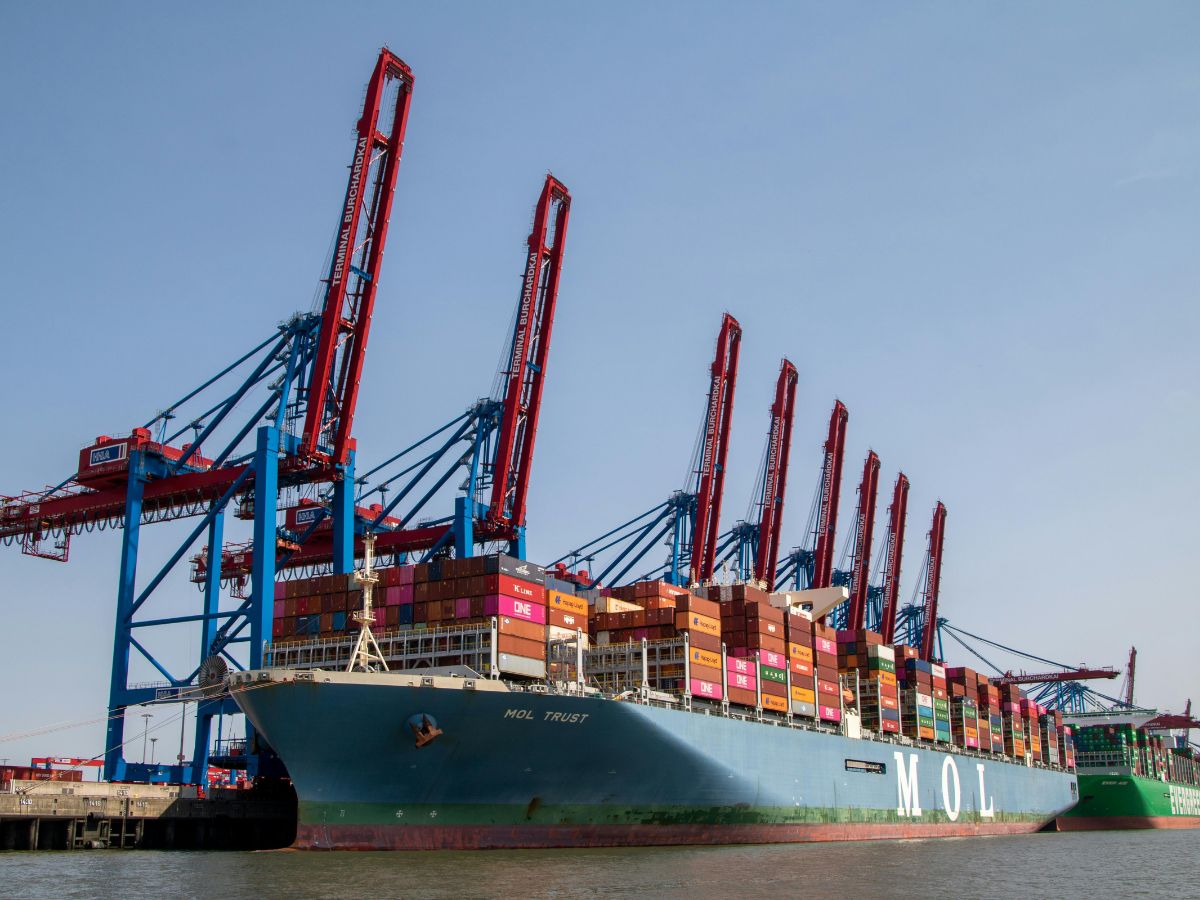

Brazil And Holland Sign Agreement To Modernize Ports Focusing On Sustainability, Green Corridors, And Renewable Energies. Plan Involves Investments And Bilateral Technical Visits.
In a move that reinforces the commitment to the sustainable transition of logistical infrastructure, Brazil and Holland established a new Action Plan for the Green Ports Partnership (GPP) program last Wednesday (18), during an event held in Brasília. The initiative aims to accelerate the sustainable and technological development of Brazilian ports through technical exchange, innovation, and clean energies. The actions will take place over the next 15 months.
The international agreement foresees specialized training, binational technical visits, and studies for the creation of an intermodal green corridor in the country. The coordination is led by the Dutch Embassy in Brazil, with direct involvement from strategic ports in both nations.
Brazil Bets On Green Corridors And Clean Technology
Focusing on the modernization of the sector, the plan includes training on sustainable practices and projects aimed at utilizing renewable sources such as wind energy and green hydrogen.
-
The U.S. Navy Conducts Submarine Tests in Idaho Lake to Detect Underwater Noises Hidden by the Ocean

-
Nuclear Submarine USS Alexandria Retired After 35 Years, Having Completed Over 1 Million Miles in Missions

-
MODEC Introduces New Hull Design for FPSO Gato do Mato to Produce Up to 120,000 Barrels of Oil Per Day in Brazil’s Pre-Salt Region
-
This Massive 12-Meter, 21-Ton Underwater Drone Can Operate Autonomously for Up to Five Days


The proposal aims to align Brazilian ports with international standards for decarbonization and smart logistics.
According to Dutch ambassador André Driessen, the program operates in two directions: innovation in port management and energy integration based on clean sources.
“The program operates on two fronts: the sustainable and innovative development of Brazilian ports and terminals, and secondly, renewable energy projects related to ports, specifically wind energy, offshore and nearshore, and green hydrogen,” he stated.
Technical Missions Will Connect Brazilian And Dutch Ports
The collaboration also foresees an intense exchange of experiences through technical missions.
In Brazil, delegations will visit the ports of Santos (SP), Pecém (CE), Paranaguá (PR), and Rio Grande (RS). In Holland, the terminals of Rotterdam, Harlingen, and Nijmegen will host the European part of the program.
The highlight is the Port of Rotterdam, the largest in Europe, which handled over 467 million tons in 2022 and adopts a hybrid management model that combines public control, private operation, and ambitious environmental goals – like carbon neutrality by 2050.
Expansion Of The Brazilian Port Sector Drives Strategic Partnerships
The scenario of strong growth of Brazilian ports gives even greater relevance to the international partnership. According to Antaq, the country handled 1.32 billion tons of cargo in 2024, achieving operational records.
The Port of Santos, the main port of the country, also set its historical record for containers in January 2025, with 460.8 thousand TEUs handled in the month.
To support this expansion, Brazil foresees R$ 50 billion in private investments in the port sector by 2026.
Among the highlights is the STS-10, a new mega terminal in Santos, which promises to increase the port’s operational capacity by up to 50%.
The project is part of a package that includes the underwater tunnel Santos-Guarujá, aimed at transforming the port complex into a regional logistics hub.
European Model Inspires New Directions For National Ports
The Dutch experience serves as a reference for Brazilian managers.
The success of Rotterdam as a global logistics hub and a symbol of sustainable port practices inspires Brazil in building a more efficient, resilient model that aligns with global environmental demands.
The expectation is that the Port of Santos will be officially integrated into the Green Ports Partnership network, further strengthening ties between the two countries and ensuring that the largest port in Latin America actively participates in the sustainable transformations of the sector.