






 Portuguese
  Spanish


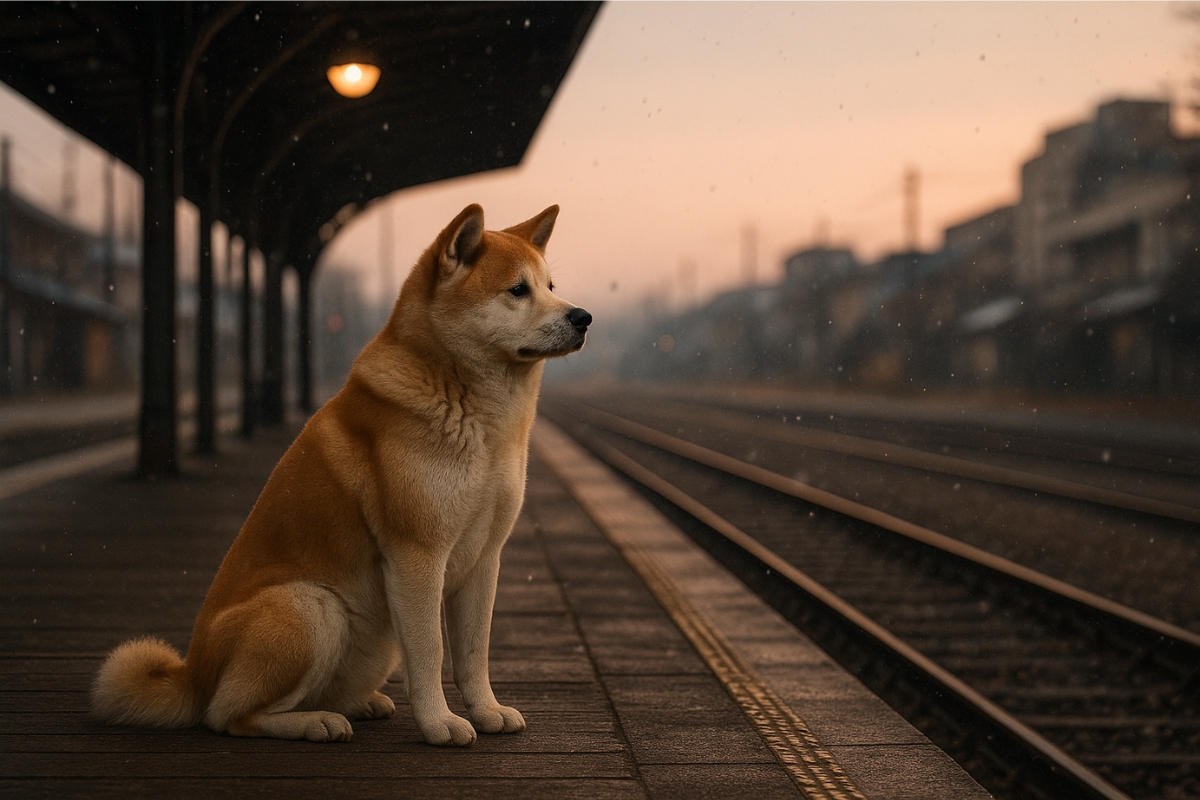


Hachikō Waited for His Owner Every Day for 10 Years at Shibuya Station. His Real Story Touched Japan and Turned Him into a Worldwide Symbol of Love and Loyalty
Few know, but the touching story of the Japanese dog Hachikō, who waited for his owner every day for an entire decade, is totally real. What began as a simple daily habit between a teacher and his dog turned into one of the greatest displays of loyalty ever recorded in history, and forever changed the way Japan views the relationship between humans and animals.
The Meeting That Changed Two Lives
It all started in 1924, when professor Hidesaburō Ueno from the Imperial University of Tokyo adopted a puppy of the Akita Inu breed. The little dog was born in the city of Ōdate in the Akita region and was named Hachikō; “Hachi” means “eight” in Japanese, a number considered lucky.
Since then, the animal accompanied his owner every day to Shibuya train station in Tokyo. In the morning, they walked together to the platform; in the afternoon, the dog would return and patiently wait for the professor’s return. This simple routine repeated without fail, and those passing by recognized professor Ueno’s faithful companion.
-
Eight Artists Secretly Lived in a Hidden 70m² Apartment Inside a Shopping Mall in Brazil for Four Years

-
Artist Lives in Giant Wooden Egg Over a UK River to Observe Tides and Environmental Changes
-
Over 20 Metal Drums Repurposed into School Transport Train Boost Attendance in Australian Aboriginal Community

-
Abandoned Coal Crane at Copenhagen’s Old Port Transformed into Luxury Waterfront Retreat with Spa and Ship Views




The Day the Wait Never Ended
On May 21, 1925, Hachikō’s routine was tragically interrupted. That morning, professor Ueno left home as usual but suffered a cerebral aneurysm during a lecture and died suddenly.
Not understanding what had happened, the dog returned to the station in the late afternoon, hoping to see his owner’s face among the passengers. But he never returned. Nevertheless, Hachikō continued to appear every day, at the same time, faithfully awaiting the train of hope.
Rain, snow, heat, or cold, nothing stopped him. For nine years and nine months, the animal repeated the ritual, until the day March 8, 1935, when he was found dead near the station. He died waiting.
Japan Was Moved by the Dog’s Loyalty
The story quickly gained national attention. In 1932, the newspaper Asahi Shimbun published an article about the “dog who waited for his owner” and turned him into a national symbol of loyalty and unconditional love.
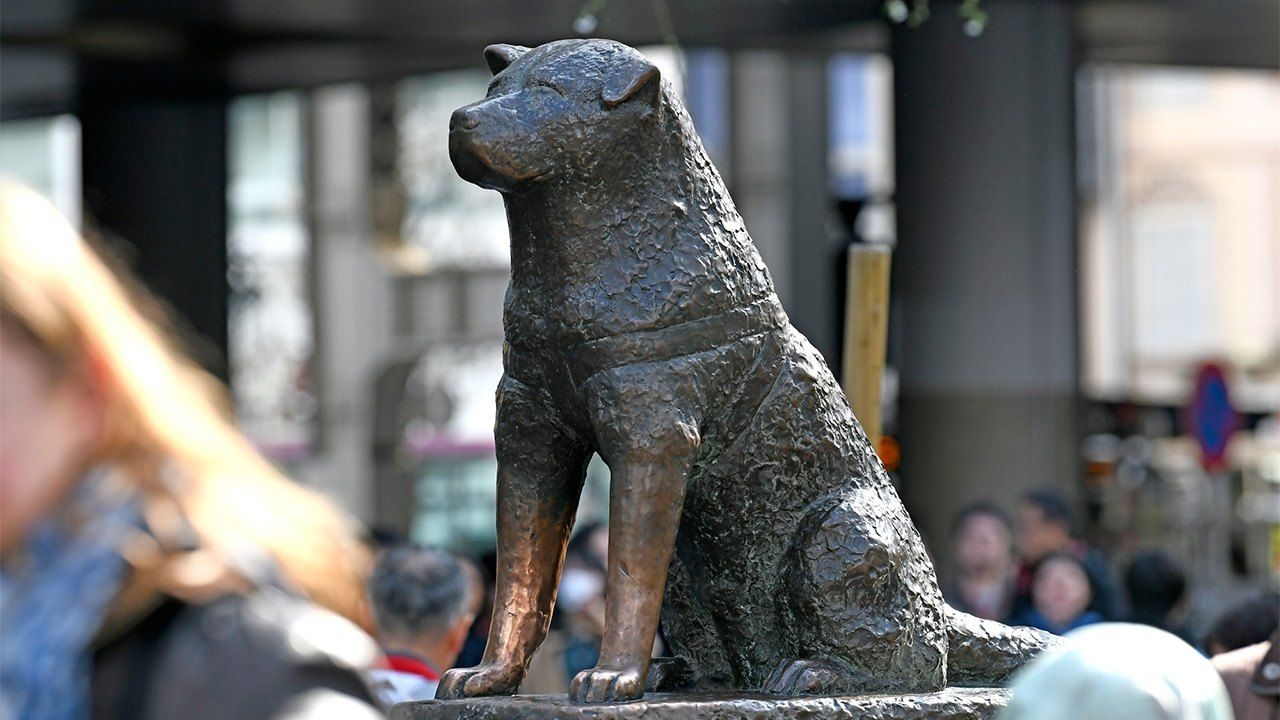
Thousands of people began visiting the station to see the famous dog, and the Japanese government decided to honor him with a bronze statue in front of Shibuya Station, the same place where he had waited for nearly a decade. The inauguration took place in 1934, a year before Hachikō’s death, and the dog himself was present at the event.
During World War II, the original statue was melted down for weapon production, but in 1948, a new version was sculpted and remains today as one of the most visited tourist attractions in Tokyo.
The Immortal Legacy of Hachikō
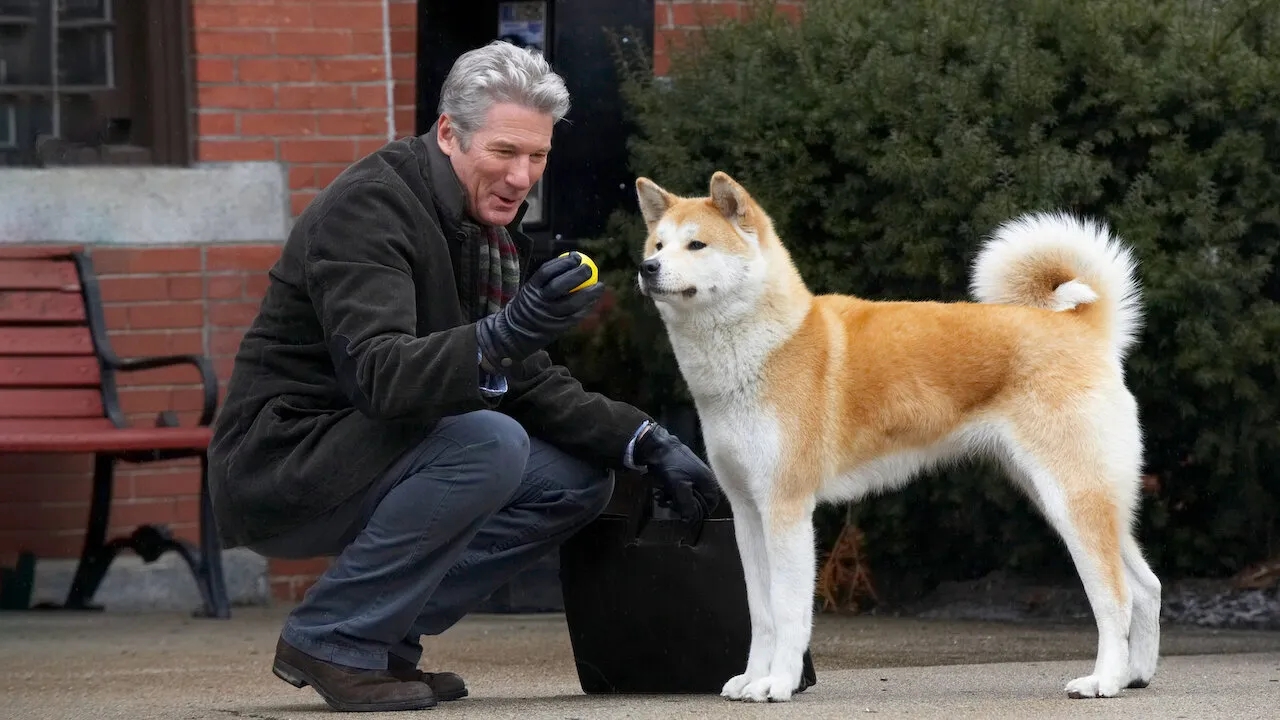
More than 90 years later, Hachikō’s name still evokes emotion and respect. His story has inspired books, documentaries, museums, and even movies, including the American film Hachi: A Dog’s Tale (2009), starring Richard Gere, which introduced the Japanese legend to the world.
The dog’s body was embalmed and can be seen at the National Museum of Nature and Science in Tokyo. Part of his ashes was also buried alongside professor Ueno’s grave so that they could finally be together for eternity.
More than a Japanese symbol, Hachikō represents the pure and unwavering loyalty that everyone dreams of finding, whether in a friend, a love, or a simple four-legged companion.
Today, millions of people gather every year in front of the statue to take photos, leave flowers, and remember that even after death, true love does not fade with time.





Linda história emocionante🥰🥺