






 Portuguese
  Spanish


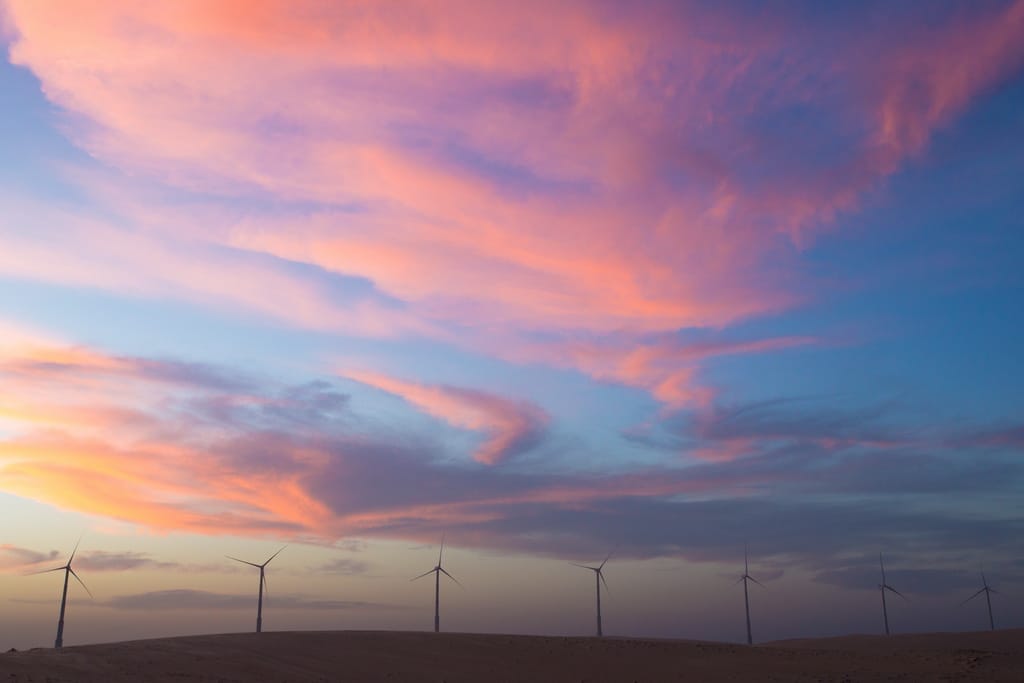

Report Indicates Rapid Growth of Renewable Energy and Nuclear Generation. Forecasts Point to Coal Replacement in the Energy Matrix in 3 Years.
According to a report from the International Energy Agency (IEA) released recently, renewable sources will account for 37% of global electricity generation by 2026. This number represents a significant increase from the 30% achieved in 2023, demonstrating a continuous and promising growth for renewable sources.
The report also highlights the importance of expanding photovoltaic solar energy, which is becoming increasingly accessible and affordable, significantly contributing to the advancement of renewable sources. In addition to solar energy, wind and hydropower also play a crucial role in increasing the share of renewable energy in the global energy matrix.
Increase in Renewable Energy Sources
The agency also claims that, according to a published report, the rapid growth of renewable energy sources, supported by the increase in nuclear generation, is expected to replace coal in the next three years.
-
World’s Largest Engie Solar Plant in Brazil Highlights Billion-Dollar Energy Waste Issue: Company Considers Batteries and Bitcoin Mining to Avoid Wasting Production

-
Air Products Cancels $2.9 Billion Clean Hydrogen Megaproject in Louisiana, Shuts Down Arizona Unit, Highlighting High Costs of U.S. Energy Transition
-
Over 60 Tractors Take to the Streets in Lopera as Solar Parks Compete with Olive Groves, Affecting 13,000 to 100,000 Trees According to Conflicting Reports

-
Green Hydrogen Projects in Northeastern Brazil Stalled for 18 Months Awaiting Government Decree, Delaying Billions in Investments


The International Energy Agency brings ambitious forecasts for Brazil. According to the agency, renewable energies will be responsible for 95% of the Brazilian energy matrix by 2026.
The report highlights solar and wind energies as essential components to achieve sustainable energy goals.
Optimistic Forecasts for Energy Generation
‘By 2026, we expect that most of the new electricity demand in Brazil will be met by wind energy and photovoltaic solar energy. In our forecast, the combined generation of wind energy and photovoltaic solar energy in 2026 will be nearly 50% higher than in 2022′, concluded the document.
Source: CNN Brazil








