






 Portuguese
  Spanish
  3 min of reading
  0 comments


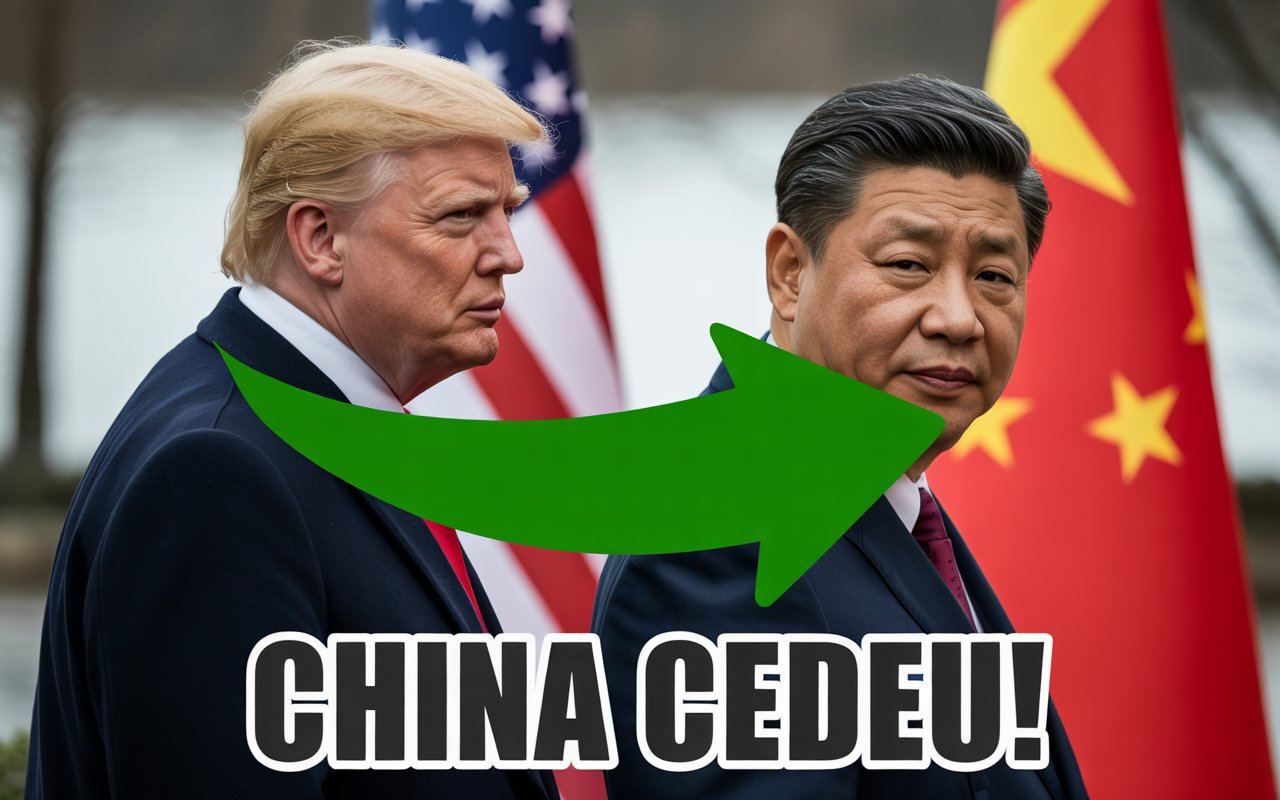
Historical Agreement Between US and China Confirms Trump Tariff Strategy Victory and Changes Global Trade Landscape
On May 12, 2025, the world witnessed a historic event: China, previously resistant, finally sat at the negotiation table with the United States and agreed to drastically reduce import tariffs on American products. This event marks a turning point in the trade war initiated by Donald Trump back in 2018 and now shows concrete results.
Understand How The Trade War Between US and China Began
Since 2018, then American President Donald Trump took a tough stance against China’s trade practices. He accused the Asian country of currency manipulation, intellectual property theft, and unfair tariff barriers against American products.
To counter this, Trump implemented heavy tariffs on Chinese products, reaching 145% on some categories, aimed at forcing China to open its market and adhere to more balanced trade rules.
-
Truck drivers, freight, and fines from 2022 take center stage in politics: Chamber approves MP with amnesty, mandatory tracking by CIOT, million-dollar penalties, and new minimum wage for those who spend more than 24 hours on the road.

-
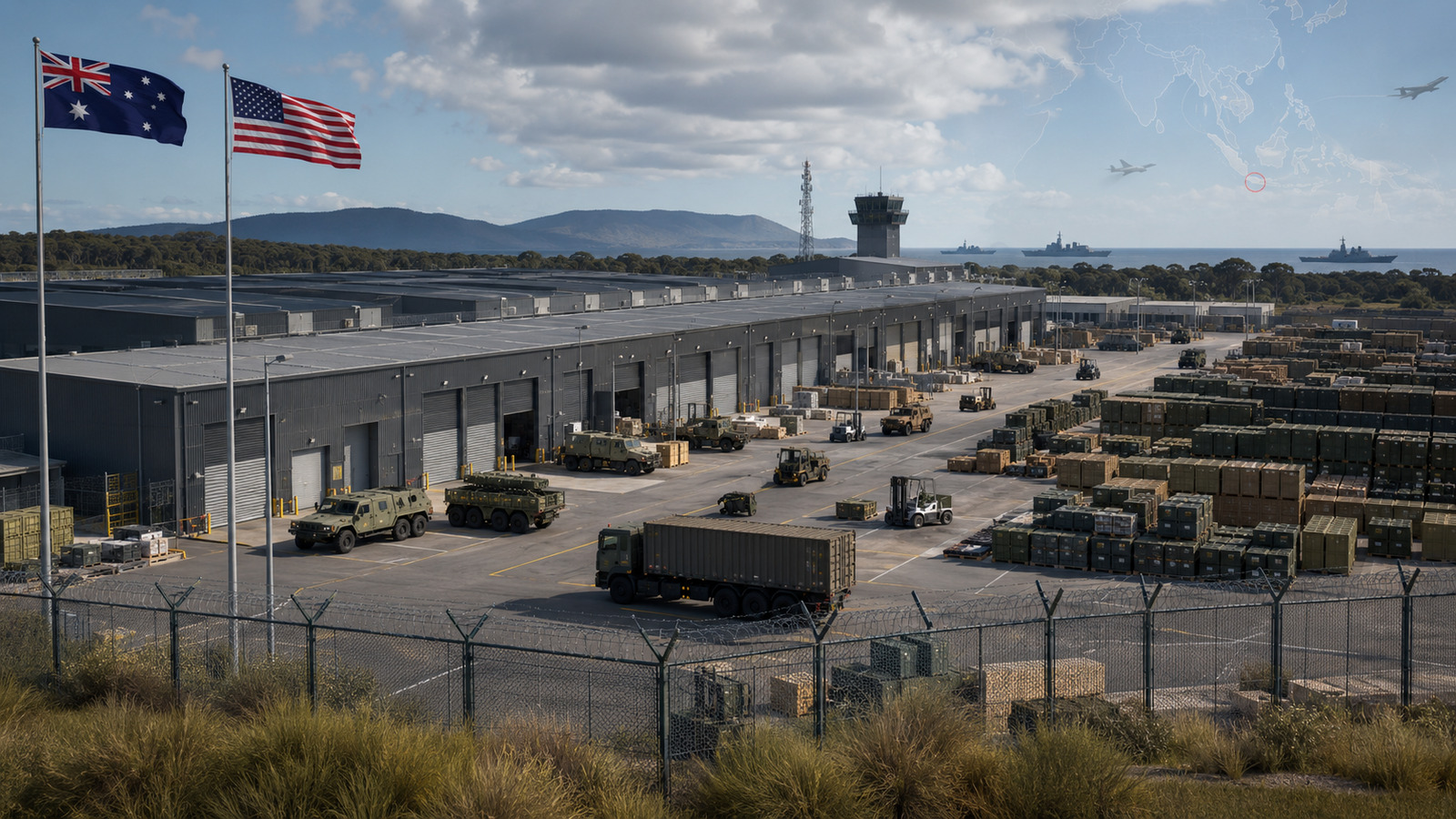
China off the radar: US plans mega $30 million weapons depot in Australia, out of reach of most Chinese missiles, with full capacity expected by 2028

-
Trump’s wall advances at a rapid pace: government promises to complete a barrier of over 3,000 km by 2027 while drones and cartels turn the US border into a new field of technological dispute
-
China prepares mBridge, a new digital payment system with blockchain that promises transactions in seconds, lower fees, and the advancement of the digital renminbi while aiming to reduce dependence on the dollar in global trade.



At the time, many experts and major media outlets labeled the strategy as “protectionist” and “a threat to free trade“. However, according to the new negotiation, time proved the former president right.
Watch more insights from Josué Aragão below:

China Could Not Resist Pressure and Yielded in 2025
After years of tariff war, with Chinese factories closing, companies leaving the country, and investors migrating to alternative markets, China had no choice but to negotiate. The agreement reached in Geneva, Switzerland, provides for:
- Reduction of American tariffs on Chinese products from 145% to 30%
- Reduction of Chinese tariffs on American products from 125% to 10%
- Suspension of non-tariff barriers by China
- Gradual opening of the Chinese market to US companies
Donald Trump, through his account on X (formerly Twitter), celebrated the achievement stating that the agreement will open markets, reduce prices of medicines, energy, and food, and help combat inflation.
Immediate Economic Impacts: Markets Soar
The reaction of the markets was immediate. American futures indices (Dow Jones, S&P 500, and Nasdaq) surged by more than 2%, while Asian stock markets, especially Hong Kong, rose above 3%. In Brazil, the Ibovespa and the dollar closed higher, reflecting global euphoria over the new scenario.
Furthermore, JP Morgan revised upward its growth forecast for China, which now sees a light at the end of the tunnel after months of economic contraction.
Who Loses And Who Wins With This New Agreement
Although both the US and China benefit, countries like Brazil might be harmed, especially in the agricultural and commodities sector. With the easier entry of American products into China, it is likely that Beijing will choose to import from the United States, which now has more competitive prices.
Therefore, Brazil — which should take advantage of the moment to position itself commercially — remains oblivious to the new global arrangement, focusing on ideological alliances with countries like Russia and China, as highlighted in the critique in the base video of this content.
Trump’s Legacy: Reindustrialization And New Global Order
Trump’s victory in this dispute goes beyond trade. It signals the beginning of a new era for global industry. While the West reclaims prominence, countries like India and the United Kingdom follow the American example, strengthening national industry and seeking less dependence on the Asian dragon.
The reindustrialization of the US, initiated in 2017 and intensified during Trump’s presidency, inspires a global movement, making it clear that globalization as we knew it is being reshaped.
What Brazil Can Learn From This?
If Brazil continues to rely on outdated diplomatic strategies and does not align with changes in global trade, it risks being left out of the new economic order. Dependence on China as the main destination for exports may become a problem if the Chinese redirect their purchases to the United States.
The question remains: Will Brazil have the courage to break with the current model and invest in its own reindustrialization, as Trump proposes for the US?








Be the first to react!