






 Portuguese
  Spanish


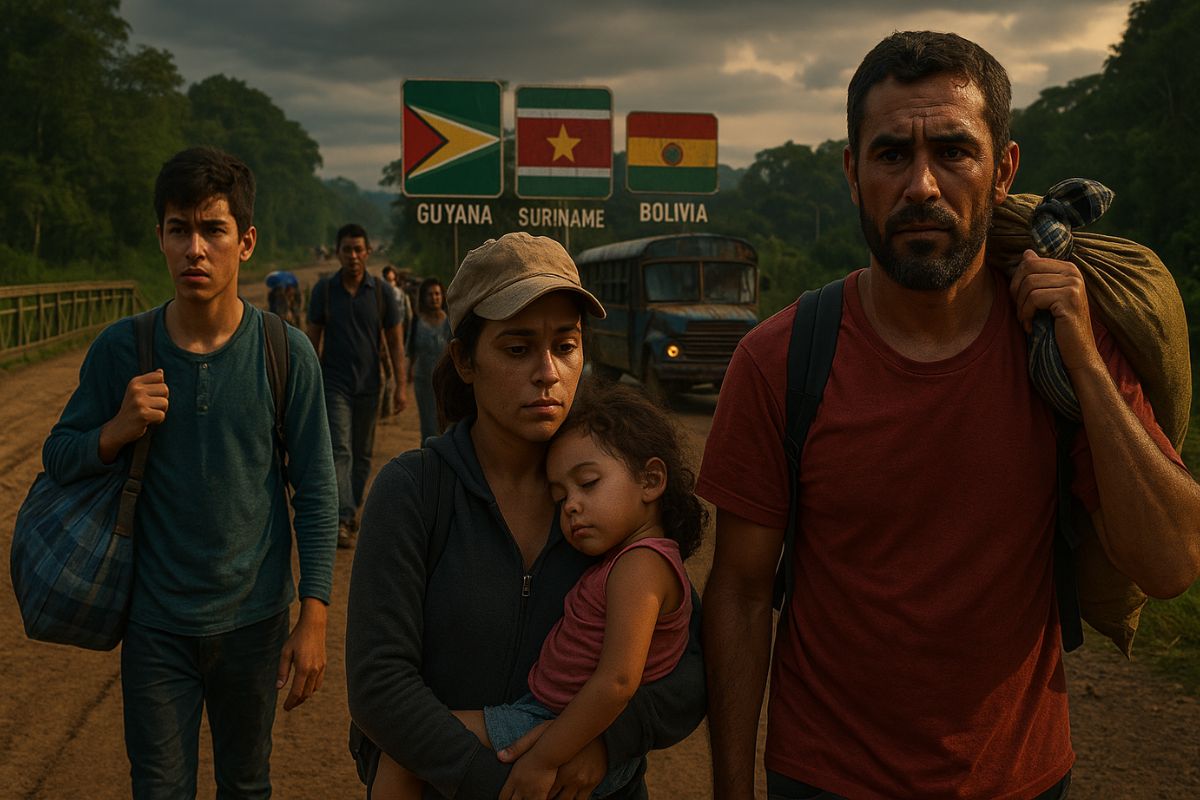


The Venezuelan Refugee Crisis Continues to Expand in 2025, Reaching Neighboring Countries of Brazil with Increasing Flows, but Little Visibility and International Support.
The Venezuelan Refugee Crisis shows no signs of abating. More than seven million people have left Venezuela since 2016, and in 2025 three neighboring countries of Brazil are facing intense pressure on their social and economic systems, yet remain out of the international spotlight. According to a report from the Pânico program of Jovem Pan, the situation is reaching critical levels in areas that do not receive the same attention given to more well-known destinations like Colombia and Brazil.
The scenario is marked by underemployment, housing insecurity, and dependence on community actions, as local governments try to balance humanitarian support with budgetary constraints.
This silent drama, often ignored in global debates, shows that the regional impact of the Venezuelan crisis continues to spread.
-
How to Prevent Brown Recluse Spider Bites: Common Hiding Spots and Free Tips to Reduce Risks

-
Natto: The Unusual Japanese Superfood Gaining Popularity on Social Media and Driving Record Exports
-
Brazilian Mayor Goes Undercover as Homeless for 24 Hours to Assess Public Services

-
15-Year-Old Entrepreneur Malu Lira Publishes 20 Children’s Books on Financial Education, Earns $500,000, and Expands Her Project to the Amazon Rainforest




Bolivia: Open Borders, Precarious Jobs
In Bolivia, the arrival of Venezuelans has grown consistently over the past two years.
The geographical proximity to Brazil facilitates movement, but the country lacks structured reception policies.
Many refugees find work only in informal sectors, such as street vending and domestic services.
According to reports from local communities, the wages paid can be lower than the Bolivian national minimum wage, perpetuating social vulnerability.
Without robust integration programs, immigrants face difficulties in regularizing their documentation and depend on the goodwill of churches and NGOs for temporary housing.
Guyana: Disproportionate Pressure on a Small Country
In Guyana, a country of only 800,000 inhabitants, the impact is even more pronounced.
In recent years, the ratio of refugees to the local population has grown to the point of compromising basic services such as health and education.
The lack of adequate infrastructure means that many Venezuelans live in makeshift camps near mining areas.
This scenario heightens social tensions, as part of the Guyanese population views the newcomers as direct competition in a limited job market.
The government, for its part, seeks international support, but the resources received are still far below the actual demand.
Suriname: Invisibility and Lack of Official Data
In Suriname, the situation is marked by invisibility. The government does not release clear statistics on the number of Venezuelan refugees, making any monitoring attempts difficult.
Even without official data, local leaders report a <strong noticeable increase in migration flow, especially in urban areas like Paramaribo.
The absence of formal reception policies means that Venezuelans depend on community networks or the goodwill of local residents.
Many work under precarious conditions on farms and construction sites, with reports of exploitation and a complete lack of labor rights.
The Drama Within Brazil: The Case of “Veneza City”
Meanwhile, in Brazil, examples like São Mateus in the eastern zone of São Paulo show how the drama continues. In a place nicknamed “Veneza City”, around 50 Venezuelan families have passed through makeshift shacks since 2016.
Today, about 10 families remain, living on donations while facing pressure to leave the area.
According to Pânico Jovem Pan, reports of salaries equivalent to R$ 25 in Venezuela and food prices higher than in Brazil explain the ongoing flight.
The municipality is said to have offered assistance of R$ 600 for those who agreed to leave the area, but many resist due to the difficulty in finding decent housing.
Consequences and Regional Risks
The Venezuelan Refugee Crisis in 2025 shows that the impacts are not limited to the Colombia-Brazil axis.
Smaller countries with less infrastructure face disproportionate pressures, which may generate social conflicts, increased informality, and overburdened public services.
Without a coordinated response, the trend is for worsening conditions. The invisibility of these flows in countries like Bolivia, Guyana, and Suriname makes the creation of effective regional policies difficult, while local communities bear the weight of solidarity alone.
The Venezuelan Refugee Crisis continues to be one of the largest humanitarian emergencies in the world, but in 2025 much of this drama remains off the international radar.
Bolivia, Guyana, and Suriname face growing challenges without proportional support, revealing the urgency for more regional cooperation and global attention.
And you? Do you believe that these neighboring countries of Brazil should receive more international support to deal with the arrival of Venezuelan refugees?
Share your opinion in the comments—your perspective can help broaden this debate.







