






 Portuguese
  Spanish


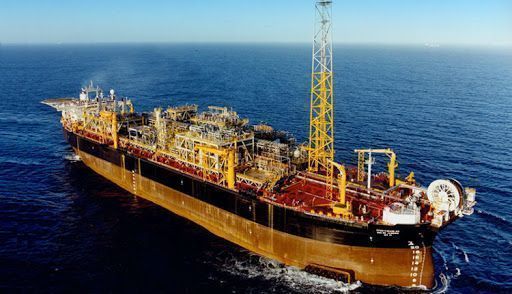

The FPSO Cidade do Rio de Janeiro Halted Its Operations with Petrobras in 2018 and Modec Has Been Conducting the Decommissioning of the Unit Since Then
MODEC informed that, on February 18, 2020, the FPSO Cidade do Rio de Janeiro MV14, operated by Petrobras in the Campos Basin for over a decade, was towed and left Brazilian territorial waters heading to its final destination abroad. The FPSO will be recycled, and the process will follow the safety and environmental recommendations of the Hong Kong International Convention, which is a multilateral convention for the safe and environmentally sound recycling of ships.
In preparation for this movement, MODEC has been conducting cleaning and repair activities for the FPSO at Jurong Aracruz Shipyard in Espírito Santo since December 2019. MODEC followed all the steps of the process defined by the competent authorities.
The decommissioning process was already underway when the hull cracked, spilling oil into the sea at the Espadarte Field (recall the case here). It was decided by the companies that the FPSO would be towed to EJA.
-
Petrobras Approves $1.2 Billion Refinery in Brazil to Produce Aviation Fuel and Diesel from Plants

-
Petrobras Secures $2.2 Billion Contract to Build and Operate Four Support Vessels for Brazil’s Offshore Oil Fields
-
France Revamps 530 Social Housing Units with Large Balconies and Glass Facades Without Demolishing Existing Buildings

-
10-Year-Old Max Makes History with Paris Fashion Show, Launches Own Brand, Hires Staff, and Sets World Record as Youngest Runway Designer



The FPSO, operated by MODEC for Petróleo Brasileiro SA (Petrobras) since 2007, ended its production cycle in July 2018.
50 Thousand Jobs in Petrobras Decommissioning Operations in Brazil
All 21 units that will be permanently closed in Rio belong to Petrobras or are in service to the company, according to the Secretary of Economic Development of the State, Lucas Tristão, who predicts that the activity will generate 50 thousand jobs, which is important for the State, the largest Brazilian oil producer facing serious economic problems. More details about these operations can be found in Renato Oliveira’s full article.


