






 Portuguese
  Spanish
  4 min of reading
  0 comments


In some BYD units in China, employees live in planned condominiums built around factories and production lines, with access to gyms, schools, sports courts, and internal transport. The complexes form entire neighborhoods aimed at employees, with modern residential towers, wide streets, green areas, markets, restaurants, and convenience stores. The model allows employees to reach work in a few minutes using internal buses, bicycles, or walking, eliminating the long urban commutes that consume hours of the day in Chinese cities.
In China, thousands of BYD employees do not need to leave the automaker’s complex to live. The company’s electric car factories are surrounded by planned condominiums where employees live in modern apartments, attend gyms, enroll their children in schools, and play sports on courts built within the same perimeter. The model drew attention after videos showed large residential towers organized around industrial plants, forming true neighborhoods where everything employees need is just a few minutes’ walk away.
The concept goes beyond offering housing. BYD has built a complete infrastructure that allows employees to wake up, work, eat, exercise, and return home without needing to cross a gate to the outside world. Internal transportation connects residential buildings to factories by buses and bicycles, and the complexes include markets, restaurants, convenience stores, and leisure areas that eliminate the need for urban commuting. For employees, it’s convenience. For BYD, it’s strategy.
How employees live within the BYD complexes
The condominiums are located next to the industrial units and were designed to minimize the time employees spend between bed and the production line. Instead of facing hours of traffic in congested Chinese cities, many employees arrive at work in just a few minutes, using the internal transportation system that circulates through the complexes.
-
To halt the advance of the Sahara, the 8,000 km Great Green Wall in the Sahel relies on reforestation to combat desertification, but by 2026 it remains far behind the goal of 100 million hectares.

-
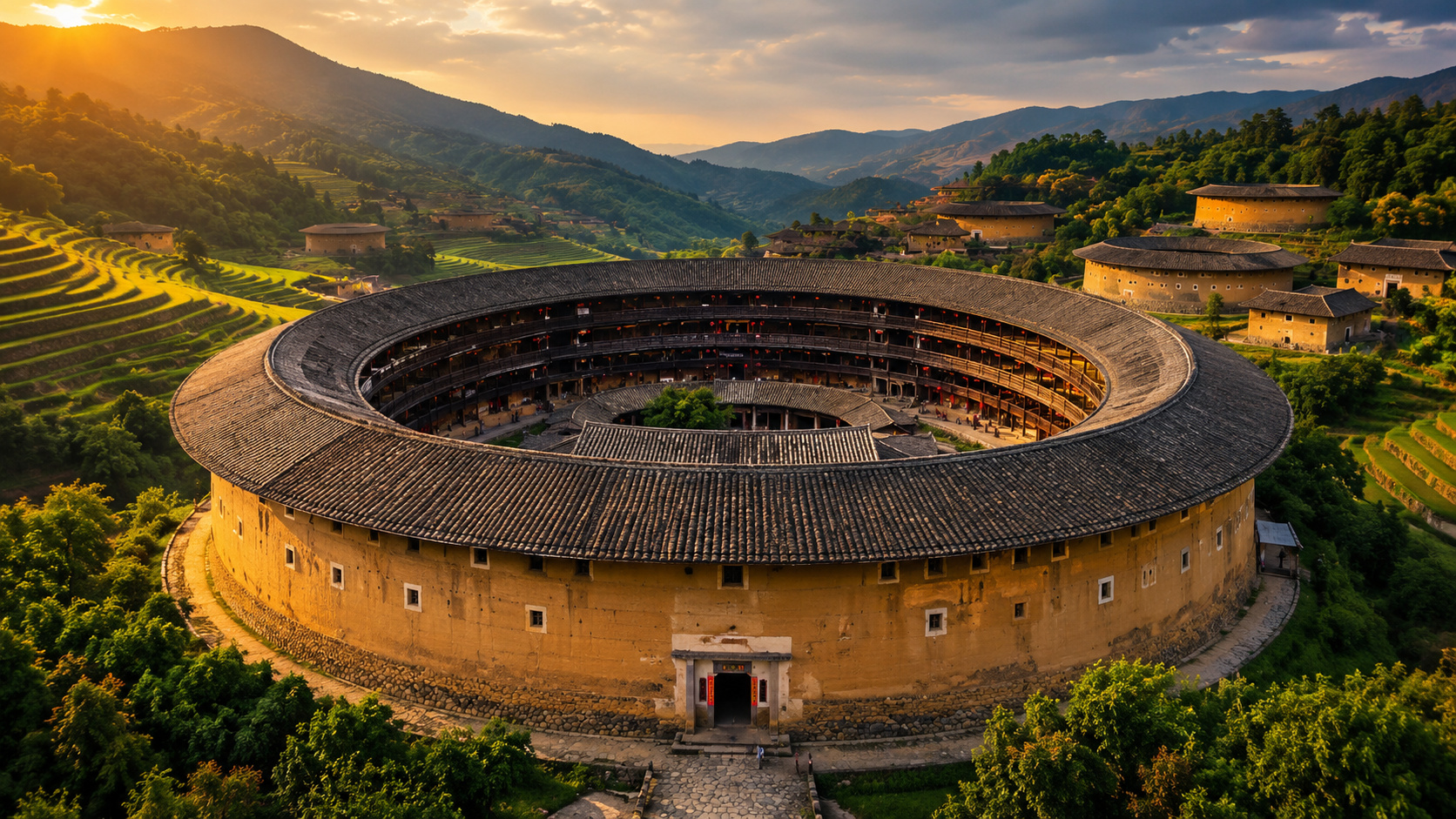
Long before sustainable construction became a trend, China built earthen fortresses with multiple floors, a central courtyard, and the capacity to house up to 800 people living in a community.

-
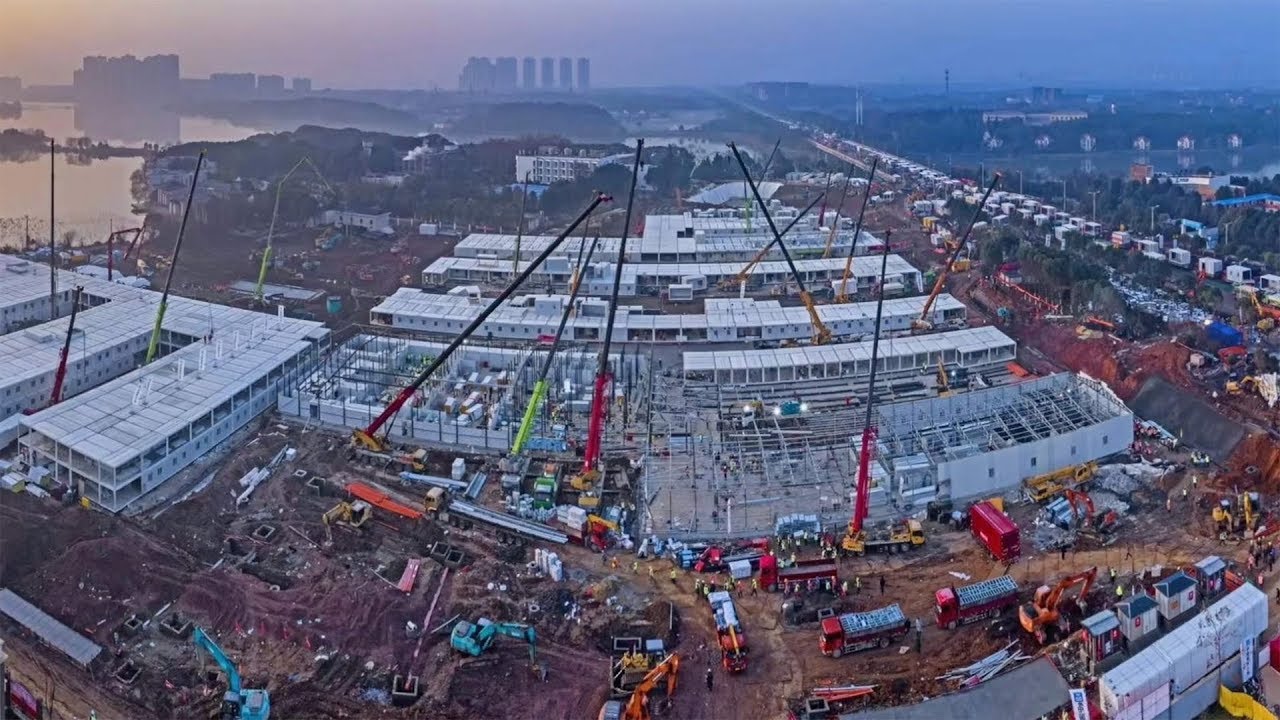
While in the rest of the world building a hospital takes years from design to inauguration, China erected the Huoshenshan Hospital from scratch in just 10 days, with 1,000 beds, foundation, structure, electrical installations, plumbing, and oxygen system ready to receive patients, mobilizing 7,000 workers.

-
Without mortar, grout, or traditional construction: the ClickBrick system assembles brick facades with ceramic pieces held by metal clips, eliminating the need for glue, speeding up installation, and even allowing everything to be dismantled later without turning the construction into expensive permanent debris.


Images of the complexes show modern residential towers with dozens of floors, wide tree-lined streets, social squares, and green areas that create an environment more like a planned neighborhood than a factory annex. For employees living in the system, the daily routine unfolds entirely within a perimeter controlled by BYD, where security, cleanliness, and maintenance are the company’s responsibility.
What the complexes offer beyond housing for employees
In addition to the apartments, the condominiums include fitness gyms, sports courts for various modalities, gardens, walking tracks, and collective social areas. The presence of schools within the complexes allows employees with children to avoid commuting to distant neighborhoods, concentrating family life in the same space where they work.
The food system is also integrated. Restaurants and food courts operate within the complexes, offering subsidized meals that eliminate the need to cook or seek food outside. Convenience stores and small markets meet daily needs, and in some units, there are also basic health services for employees and their families.
Why BYD builds cities for employees
According to information released by the portal Xataka, the model has direct economic motivation. Keeping employees close to the production lines reduces delays, facilitates shift management, and ensures the availability of labor in an industry that operates 24 hours a day.
The construction of condominiums around factories is part of a broader strategy of the Chinese industry to attract employees, reduce logistical costs, and increase operational efficiency in regions where competition for skilled workers is intense.
The accelerated growth of BYD has transformed various Chinese cities into industrial hubs focused on the production of electric vehicles, batteries, and automotive technologies. The demand for employees has grown in the same proportion, and offering housing with complete infrastructure has become a competitive advantage to retain workers who, without this benefit, would migrate to competing companies offering better conditions.
What the BYD model means for employees and the sector
For employees, living within the complex is an exchange. The convenience of integrated housing, transportation, and services comes with a life deeply tied to the company, where the boundaries between work and personal life become more blurred.
For BYD, the model ensures a stable, rested, and available workforce, reducing turnover and recruitment costs in factories of a sector that is growing faster than the supply of labor.
The concept is not exclusive to BYD. Other large Chinese companies adopt similar models, and the practice harks back to the company towns that existed in the United States and Europe during industrialization.
The difference is that BYD’s complexes offer a standard of living that, according to released images, surpasses that of many urban Chinese neighborhoods, with modern infrastructure and planned spaces that employees would hardly find at the same cost in the real estate market.
Would you live in a company condominium where you work? Do you think the BYD model is a benefit for employees or a form of control? Tell us in the comments.




Be the first to react!