Portuguese
  Spanish




Rio de Janeiro Anticipates Investments of R$50 Billion in 5 Years with Closure of 21 Oil Platforms. Decommissioning of Structures Will Be Carried Out by Petrobras
Rio de Janeiro is expected to receive 50 billion reais in investments over the next four to five years with the definitive closure of 21 old oil platforms in the Campos Basin, said the state’s Secretary of Economic Development, Lucas Tristão. Recently, Petrobras President, Roberto Castello Branco, stated that the company would invest in Rio, $54 billion, but did not detail the amounts that could be allocated for decommissioning.
All 21 units that will be definitively closed in Rio belong to Petrobras or are serving the company, according to the secretary, who expects that the activity will generate 50,000 jobs, which is important for the state, the largest Brazilian oil producer that is facing serious economic problems.
-
They exchanged the idea of a large house for a 35 m² warehouse, spent US$ 12,000 on the structure, and created a tiny house in Colorado with space to live and work.

-
While modern cities rely on pumps and electricity, in Iran, ancient tunnels carried water through the desert using only slope and gravity.
-
Instead of sending families far from the city, a project in Chile intentionally created incomplete houses on expensive urban land and left technical space for each to grow.
-
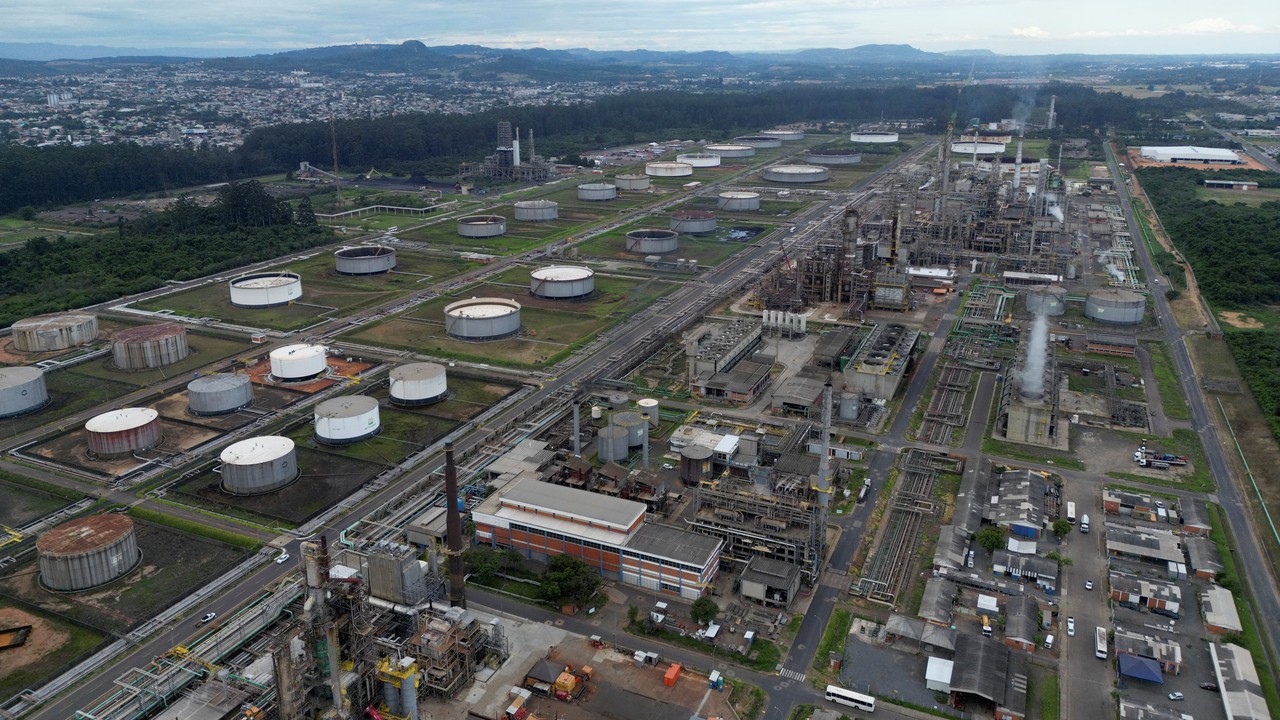
With a record production of nearly 3 million barrels per day, Petrobras resumes importing diesel in July, highlighting the bottleneck in Brazilian refining.


“The most interesting thing is that none of this will affect either the collection of royalties or the production of oil, because the pre-salt has just started to gush oil and gas,” said Tristão, highlighting the high productivity of wells in the important producing province, unlike many areas of the Campos Basin, which are already in decline.
Oil companies are required to carry out the decommissioning of platforms, which involves activities of uninstalling and dismantling equipment when a field becomes unviable or when the production unit’s lifespan comes to an end.
Earlier this month, Petrobras’ Decommissioning Manager, Eduardo Zacaron, said during an event that the company would begin the decommissioning of ten older platforms in Brazil by 2020, six of which are in the Campos Basin, in Rio: FPSOs Cidade do Rio de Janeiro, Cidade Rio das Ostras, P-7, P-12, P-15, and P-33. The other units to be decommissioned are in Sergipe and Espírito Santo.
The FPSO Cidade do Rio de Janeiro, which is out of operation, reported cracks in the hull, leaking about a thousand liters of residual oil, Petrobras informed on Monday. The company did not provide details on whether the cracks are due to the aging of the equipment.
Amid the scenario of more depleted oil and gas fields, the ANP is expected to publish an update to the regulations for the deactivation of installations, return of areas, alienation, and reversion of assets by October.
“We are already preparing to receive these projects,” said the secretary, explaining that the state wants to establish itself as a reference in the decommissioning of platforms, adhering to global environmental standards, and fulfilling the preservation of the environment, marine fauna, and flora.
Tristão emphasized that the decommissioning segment in Rio could even go beyond oil platforms. According to him, there are about 100 abandoned vessels in Guanabara Bay, which would require decommissioning services to properly dispose of these facilities.
Petrobras Pays R$1 Billion in Bonuses to Employees