Portuguese
  Spanish


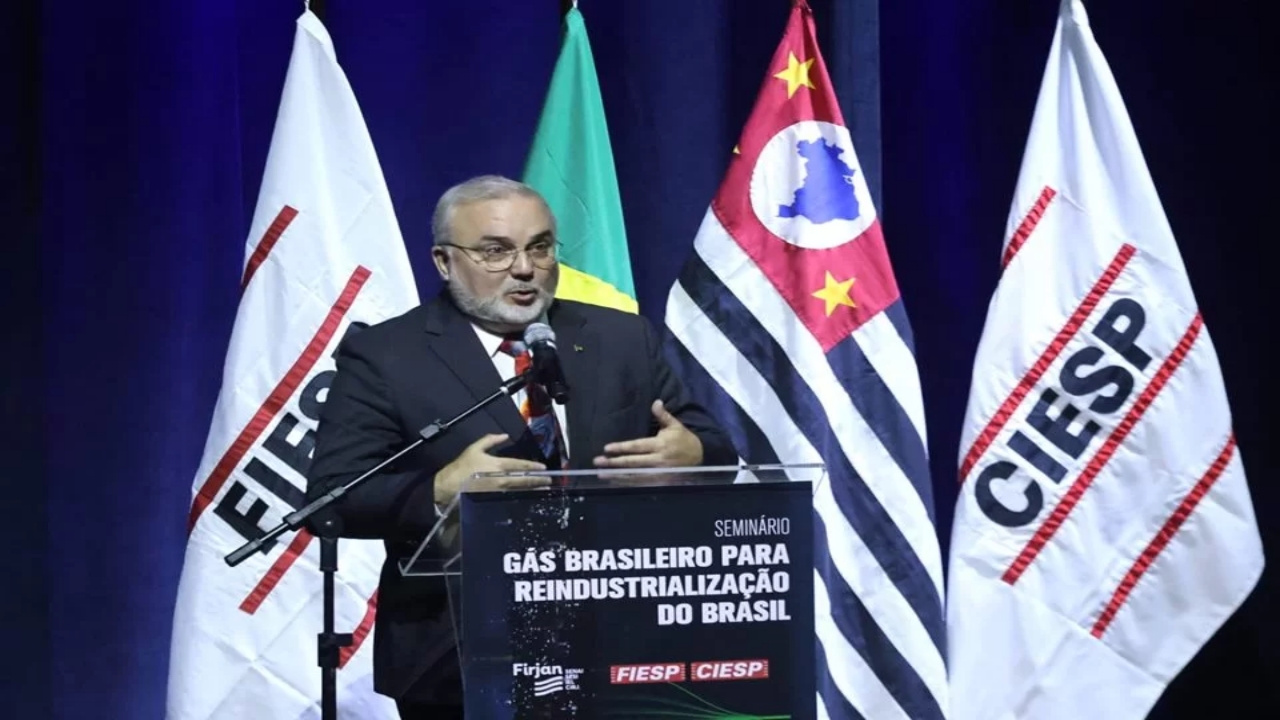

Lack Of Clarity From Petrobras On The Objectives Of The Project Has Generated Concerns Among Investors And Sector Analysts
Petrobras and its venture in Itaboraí (RJ), the Gaslub Hub (formerly the Rio de Janeiro Petrochemical Complex – Comperj), are characters in a story with many ups and downs and surprising twists. The history of the project began in 2006, when Petrobras envisioned a petrochemical complex capable of processing about 8% of Brazilian oil production at the time. The goal was to make the country self-sufficient and an exporter of petrochemicals. However, the project became embroiled in a series of corruption schemes investigated by Operation Car Wash.
In 2020, Petrobras changed the name of the venture to Gaslub Hub and revamped the concept of the complex – which would now feature a processing plant for fuels and lubricants, in addition to a thermal power plant. Now, under the management of Jean Paul Prates, the idea is for the project to attract investments in petrochemicals once again. Nevertheless, uncertainty and a lack of a clear strategy have been constants.
Petrobras Studies The Possibility Of Again Modifying The Scope Of The Gaslub Hub (Formerly Comperj)
Petrobras recently announced that it is studying the possibility of again modifying the scope of the venture, expanding it to include the production of second-generation petrochemical products. However, this change appears to be just one of many ideas being discussed internally within the company. The lack of clarity regarding the project’s objectives has raised concerns among investors and sector analysts.
-
Oil production grows in Rio, but reserve replacement raises a warning sign

-
Petrobras is expected to complete the drilling of the Morpho well in the Foz do Amazonas in August 2026, the first well in the Equatorial Margin, an oil frontier that the ANP estimates at more than 30 billion barrels and could redraw the map of Brazil.

-
Oil returns to the center of concerns with tension between the US and Iran

-
IEA reduces forecast for global oil demand in 2026 after impacts of the Middle East crisis



Still regarding Petrobras’s changes in direction, the state-owned company stated that it is studying projects to expand the production of Diesel R – a fuel produced by co-processing mineral diesel with vegetable oil, which contains a portion of green diesel (HVO in English). The idea is to evaluate adaptations for co-processing Diesel R at the REGAP (Gabriel Passos Refinery) and RNEST (Abreu e Lima Refinery). New dedicated plants for the production of 100% sustainable Diesel R100 will also be evaluated, at RNEST and the Gaslub Hub.
Seeking New Discussion With CADE
The changes do not stop there. The Petrobras intends to discuss with the Administrative Council for Economic Defense (CADE) the sale program of the state-owned company’s refineries. The idea is to seek a new discussion to reconcile the commitments previously made with new proposals to be considered in the strategic planning.
However, this initiative may be seen as an attempt to minimize the damage caused by the sale of refineries, which were deemed undue and without adequate defense for the case, according to Petrobras President Jean Paul Prates. The sales were imposed by CADE, which claimed a lack of competition in the refining market.
Future Of The Gaslub Hub And Petrobras Refineries Remains Uncertain
The future of the Gaslub Hub and Petrobras refineries remains uncertain, and the lack of transparency and clarity regarding the company’s objectives has been a cause for concern among investors and sector analysts.
The Petrobras needs to face the challenges of the market and ensure its leadership position, especially at a time when the energy transition gains increasing momentum.
It is essential for the company to have a clear and consistent plan for the future that includes not only the production of fossil fuels but also expansion into renewable sources and cleaner technologies. Moreover, it is crucial for Petrobras to maintain an open and transparent dialogue with its shareholders and society in general, to ensure the trust and support needed to face the challenges ahead.