






 Portuguese
  Spanish


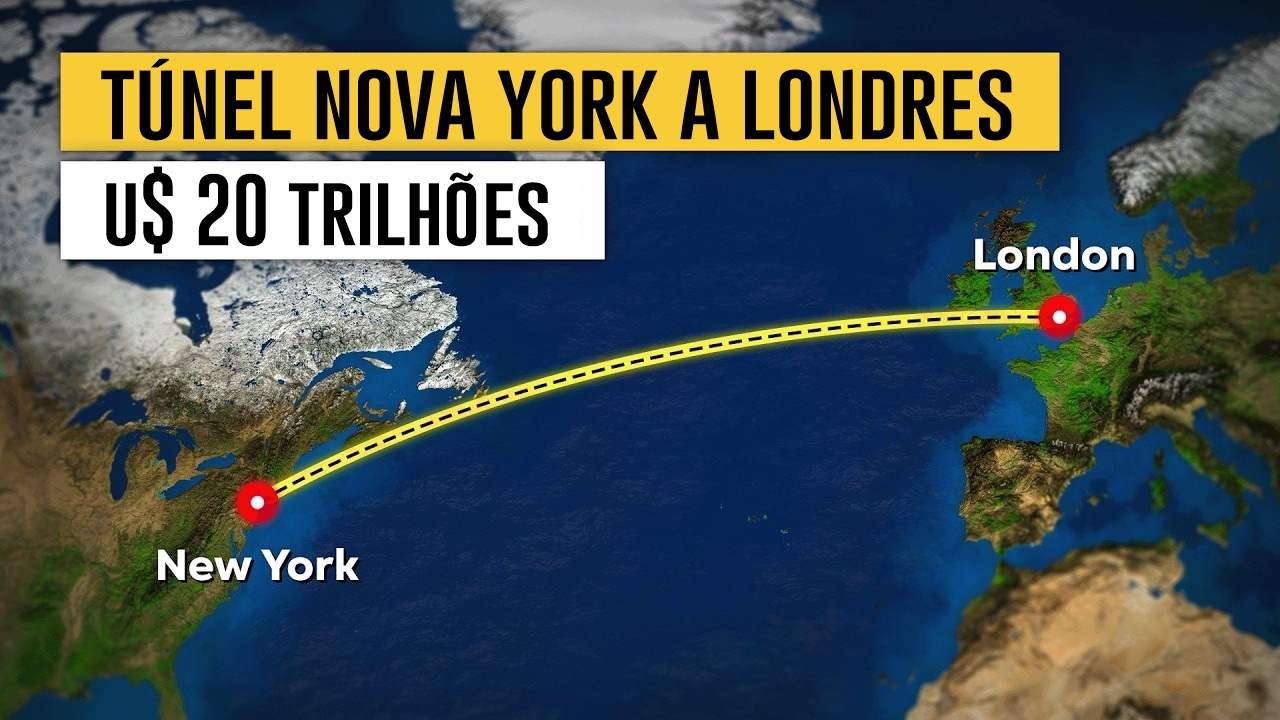


A Revolutionary Concept Proposes the Construction of an Atlantic Tunnel Valued at US$ 20 Trillion, Capable of Connecting the United Kingdom to the United States in Less Than an Hour.
The idea of a tunnel connecting the United Kingdom to the United States through the Atlantic Ocean sounds like something straight out of a science fiction movie. However, this concept has already been explored by engineers, visionaries, and yes, even in a movie called “The Atlantic Tunnel” (or “The Tunnel” in its original English title).
The plot takes place in an idealistic future, where a group of engineers and visionaries set out to build a tunnel beneath the Atlantic Ocean, connecting Europe to the United States.
The construction of the tunnel is seen as a solution to unite continents and promote world peace. However, the monumental project faces immense challenges, including financial crises, natural disasters, and personal dilemmas that test the limits of human determination.
-
U.S. City Builds Tiny Home Village on Water Company Land to House 136 Homeless People: Inside the Social Housing Units

-
Woman Turns Shipping Container into Home, Embraces Rural Life to Cut Monthly Expenses to Just Over $330
-
France Revamps 530 Social Housing Units with Large Balconies and Glass Facades Without Demolishing Existing Buildings

-
Facing high rent, couple transforms parents’ garage into a fully functional apartment, creating a complete home at a fraction of the market cost.




Although it is fascinating in theory, the technological, financial, and practical challenges make this project an almost impossible dream, to say the least. Let’s explore the details of this ambitious proposal.
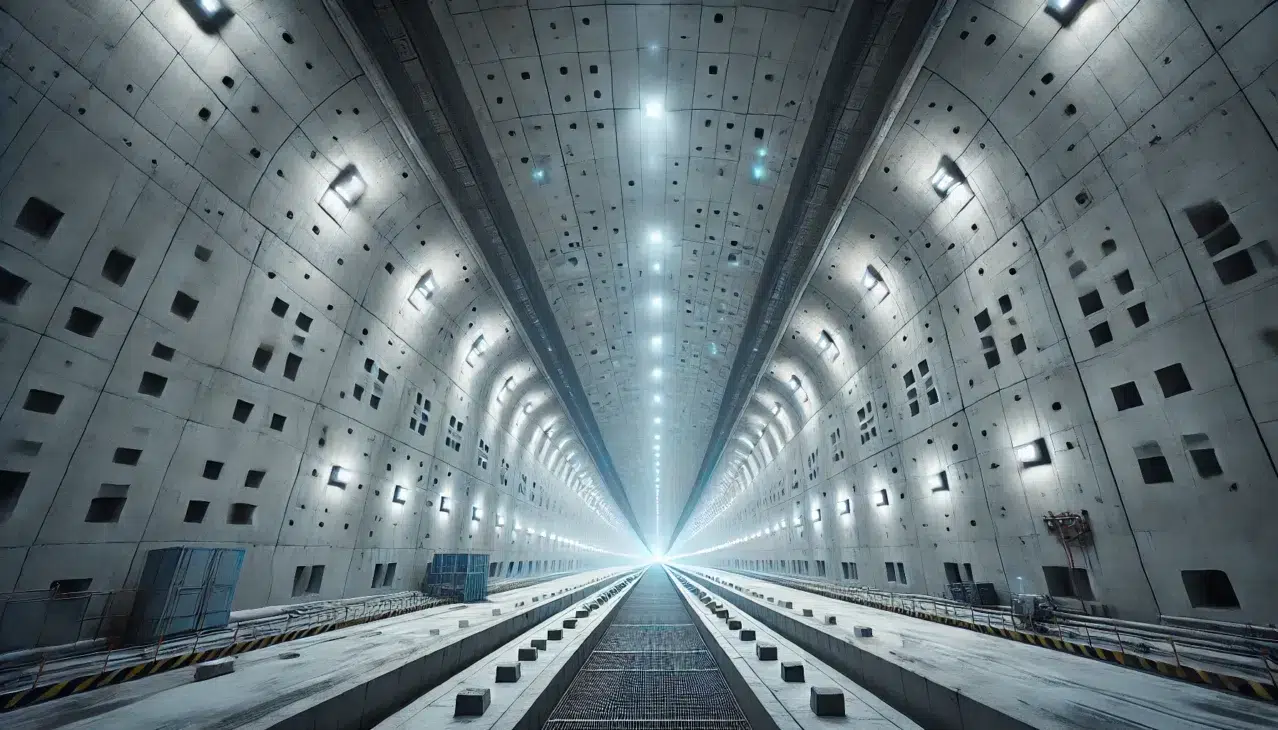
The Concept of an Atlantic Tunnel
The central idea of an Atlantic tunnel would be to connect Europe and North America through a gigantic underwater structure.
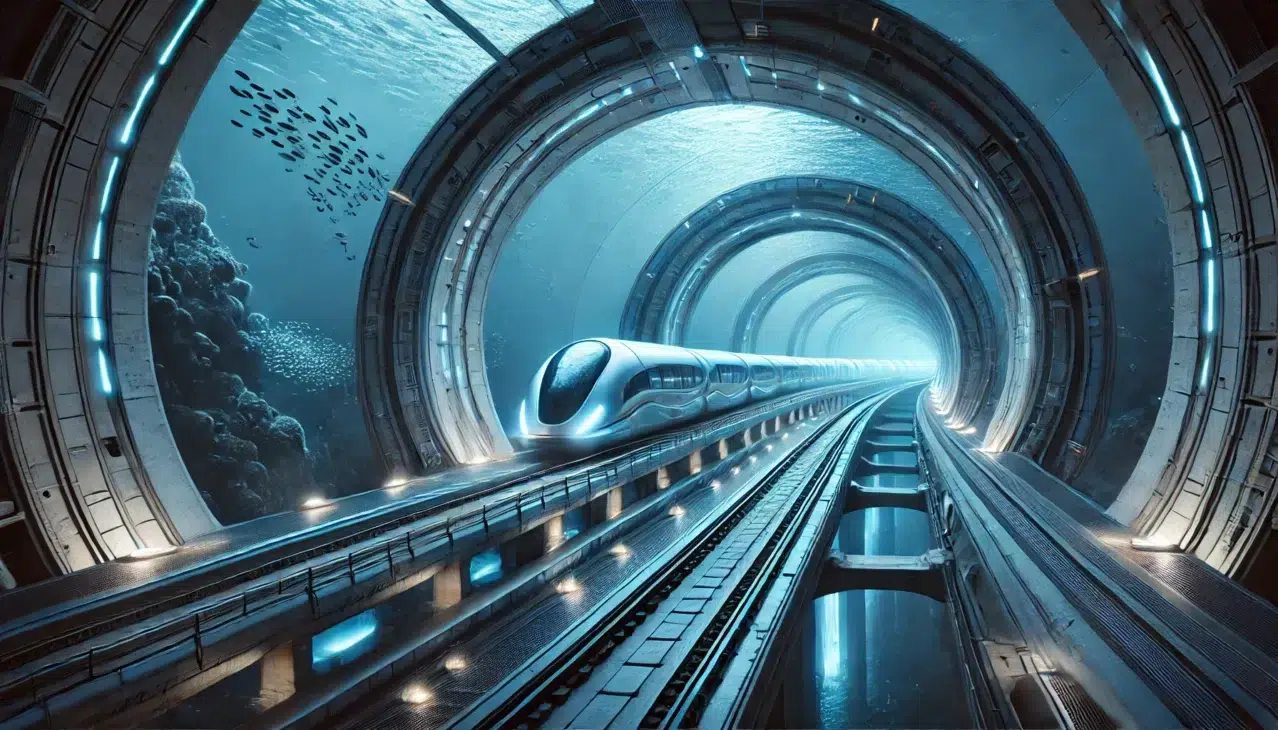
Instead of flying, passengers and goods could cross the Atlantic on high-speed trains that would travel at speeds of up to 1,600 km/h.
Some theoretical proposals suggest the use of pressurized tunnels fixed to the ocean floor or even submerged floating tubes at great depths to avoid the effects of storms and waves.
Cost and Financial Challenges
Estimating the cost of a project of this magnitude is a challenge in itself. Experts point to values ranging from US$ 15 trillion to US$ 20 trillion, depending on the construction method, materials used, and the exact route. To put these numbers in perspective:
- The Eurotunnel, which connects the United Kingdom to France, cost about US$ 15 billion in adjusted values. And it is only 50 km long, compared to the 5,000 to 6,000 km needed to cross the Atlantic.
- The maintenance cost would also be monumental, considering the risks of corrosion, extreme pressure, and geological movements on the ocean floor.
Furthermore, the time required to recover the investment would be absurdly long. Even if the demand for passengers and cargo were high, fares would need to be affordable to compete with transatlantic flights, which today cost between US$ 300 and US$ 1,500. This would make the economic viability of the tunnel highly questionable.
Technological Challenges
Building a submarine tunnel of this scale would face unprecedented technical obstacles:
- Pressure and Depth: The Atlantic Ocean reaches depths of up to 5,000 meters. Structures would need to withstand colossal pressures over thousands of kilometers.
- Geological Risks: The movement of tectonic plates and seismic activity on the ocean floor present permanent risks.
- Materials: Significant advances in materials capable of withstanding corrosion, pressure, and wear over decades would be necessary.
Additionally, technologies to build and operate an efficient long-distance transport system, with speeds exceeding commercial airplanes, are still not fully developed.
Existing Alternatives
Aviation remains the most efficient way to cross the Atlantic. Commercial flights are fast, affordable, and widely available. For a tunnel to be competitive, it would need to offer significant advantages, such as:
- Greater Energy Efficiency.
- Greater Comfort and Convenience for passengers.
- Significantly Higher Speeds than current airplanes.
Environmental Impact
Despite the financial and technological challenges, an Atlantic tunnel could have a positive environmental impact if powered by clean energy sources. It could significantly reduce the carbon emissions associated with air travel.
However, the environmental impact of the construction itself, especially on the ocean floor, would also need to be carefully assessed.
For now, an Atlantic tunnel remains in the realm of futuristic ideas. The exorbitant costs, technological barriers, and competition with existing alternatives render the project unfeasible at the moment.
However, advances in engineering, materials, and clean energy may, in the future, make this vision less utopian. Until then, crossing the Atlantic will continue to be something reserved for the skies – and not the ocean floor.









Gostei Gostei! É um projeto insano, porém não impossível. Coisas mais impossíves os seres humanos já fizeram que foi desmatar e
Poluir rios e oceanos.construir ,é uma definição de propósito basta querer que o
Imaginário acontece.
Tomara que esse túnel não atormente a vidas dos inocentes animais do oceano. Dificilmente não atrapalhará…!
É preciso muito estudo e boas intenções para que isso não aconteça. Isso depende muito das pessoas responsáveis: se querem apenas lucro (o que seria um desastre para o oceano) ou se também pensam no bem-estar dos animais. Tem que haver pessoas bem intencionadas.