






 Portuguese
  Spanish


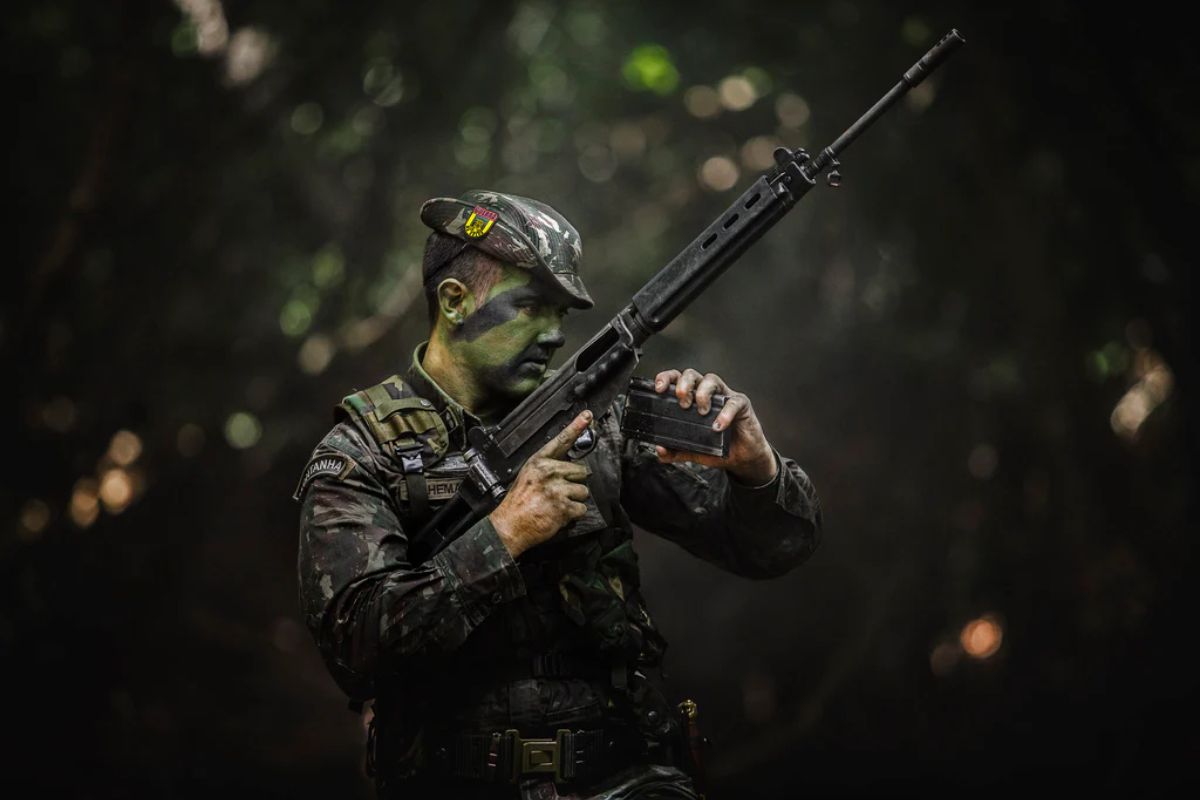


With More Than 200 Thousand Soldiers and the Largest Inventory of Armored Vehicles, Brazil Has the Largest Army in Latin America, but Faces Budget and Modernization Challenges to Maintain Its Hegemony.
The Brazilian Army is consolidating, in 2025, as the largest army in Latin America in terms of active military personnel. According to an article published based on data from the IISS (International Institute for Strategic Studies), the country’s land force surpasses that of all other nations in the region, a dimension that reflects the need to protect a continental territory with over 16,000 kilometers of borders.
However, an in-depth analysis reveals a more complex scenario. Brazil’s numerical leadership is unquestionable, but it coexists with budgetary challenges and a modernization process that seeks to balance quantity and quality. The comparison with its regional peers shows that while Brazil dominates in scale, other nations excel in technological niches or combat experience.
The Personnel of More Than 200 Thousand Soldiers
The main metric that positions Brazil at the top of the ranking is its military contingent. According to official data from 2024, the Brazilian Army has an active force of 212,217 military personnel. This number is significantly higher than those of other regional powers, such as Colombia (which has around 200,000) and Mexico (also around 200,000 in its land force).
-
Woman Claims to Have Spotted a Technical Pattern in Recent FIFA Tournaments, Predicts Possible World Cup Winner

-
Chevrolet Offers Chance to Win a 2026 Sonic RS for Free via WhatsApp
-
Earthquake vs. Tsunami: Which Causes More Destruction and Why One Can Be Even More Dangerous
-
Hospital Cook Discovers 1,700-Year-Old Pot of 52,503 Roman Coins Using Metal Detector in Field



If we include reservists, the mobilizable contingent of the Brazilian Armed Forces approaches 1.8 million people. This scale is a direct function of the vast population of the country and the defense doctrine focused on protecting a vast territory.
The Largest in Value, but One of the Smallest in Investment
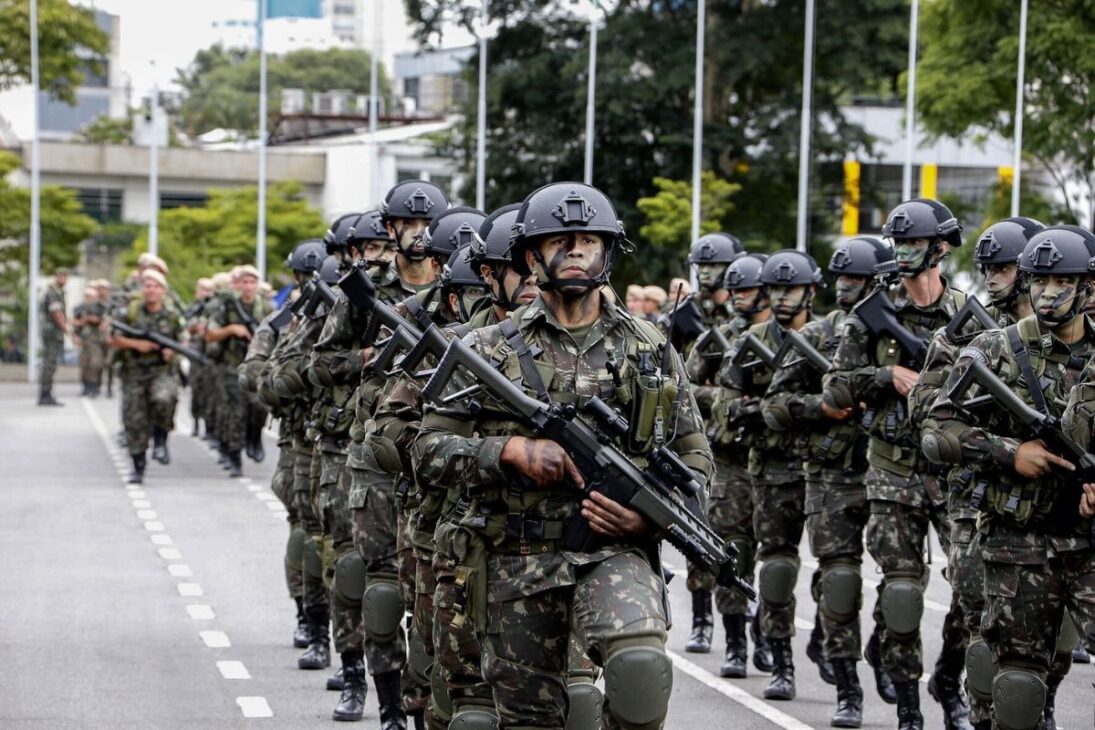
Brazil has the largest defense budget in Latin America in absolute values, with a forecast of R$ 133.6 billion for 2025. However, the structure of this budget reveals a significant challenge.
About 78% of the total amount is consumed by personnel expenses, including active military, reserve, and pensioners. This leaves a very small portion for investments in modernization, procurement of new equipment, and training. It’s the paradox of having the largest budget but a limited investment capacity.
The Armored Force: A Question of Quantity Versus Quality
The inventory of equipment in the Brazilian Army reflects this reality. Brazil has the largest armored force in the region in numbers, with 292 combat tanks and over 2,250 other armored vehicles. The artillery force is also the largest, highlighted by the Astros II rocket launcher system, the most advanced in South America.
However, a significant portion of this arsenal consists of older equipment. Nations like Chile, for example, although having fewer tanks, operate the Leopard 2A4, which is technologically superior to the Leopard 1 and M60 that form the backbone of the Brazilian force.
The Ongoing Modernization: The Guarani Strategic Program
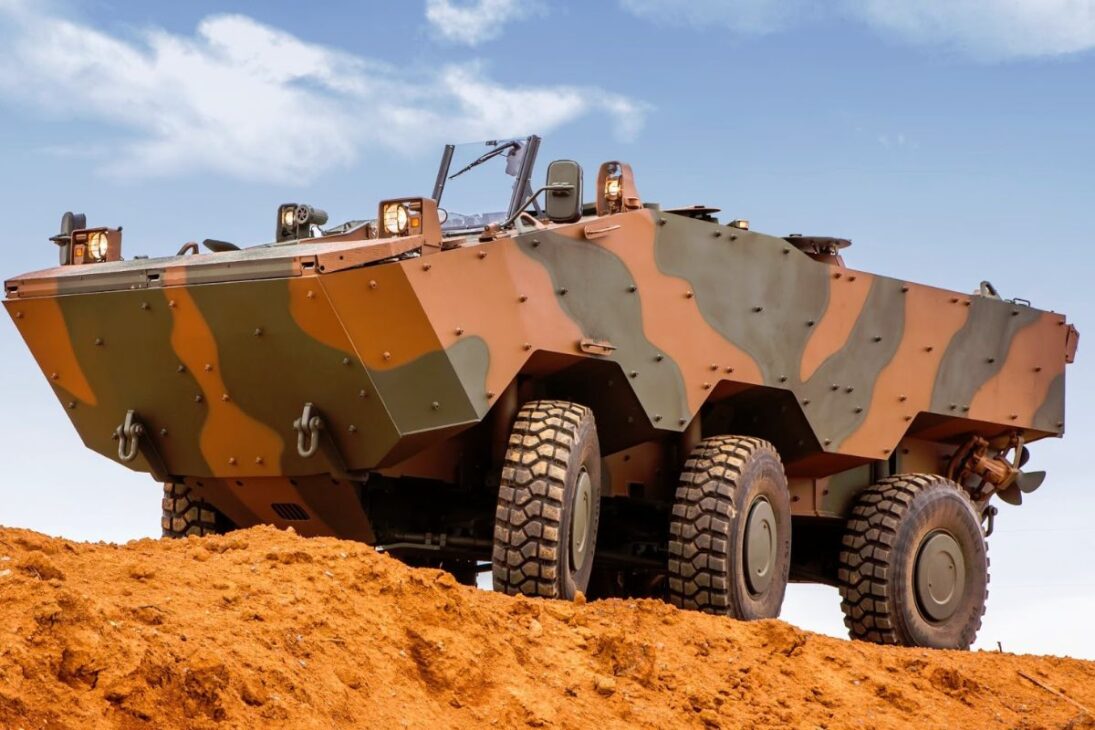
Brazil’s main bet to modernize its land force is the Guarani Strategic Program. The project, developed in partnership with Iveco Defence Vehicles in Sete Lagoas (MG), aims to replace the old fleets of Urutu and Cascavel armored vehicles with the new family of Guarani wheeled armored vehicles.
By the end of 2024, about 700 units had already been delivered. In December 2024, a new contract was signed for the development of ambulance and command post versions, with delivery expected in 2026. Having an industrial defense base capable of developing and producing its own vehicles is a strategic advantage that few countries in the region possess.
The Balance of Power: The Largest Is Not Always the Most Prepared for Everything
The final analysis shows that although Brazil has the largest army in Latin America in a conventional warfare context, the definition of “more capable” depends on the scenario.
The Colombian Army, for example, is smaller, but has been forged in decades of real combat against guerrillas, which gives it unmatched experience in jungle warfare and counter-insurgency. Meanwhile, the forces of Mexico are primarily focused on combating organized crime. Brazil, therefore, holds the leadership in scale and industrial capacity, but the balance of power in the region is a mosaic of different forces and specialties.


