





 Portuguese
  English
  Spanish
  4 min of reading
  11 comments


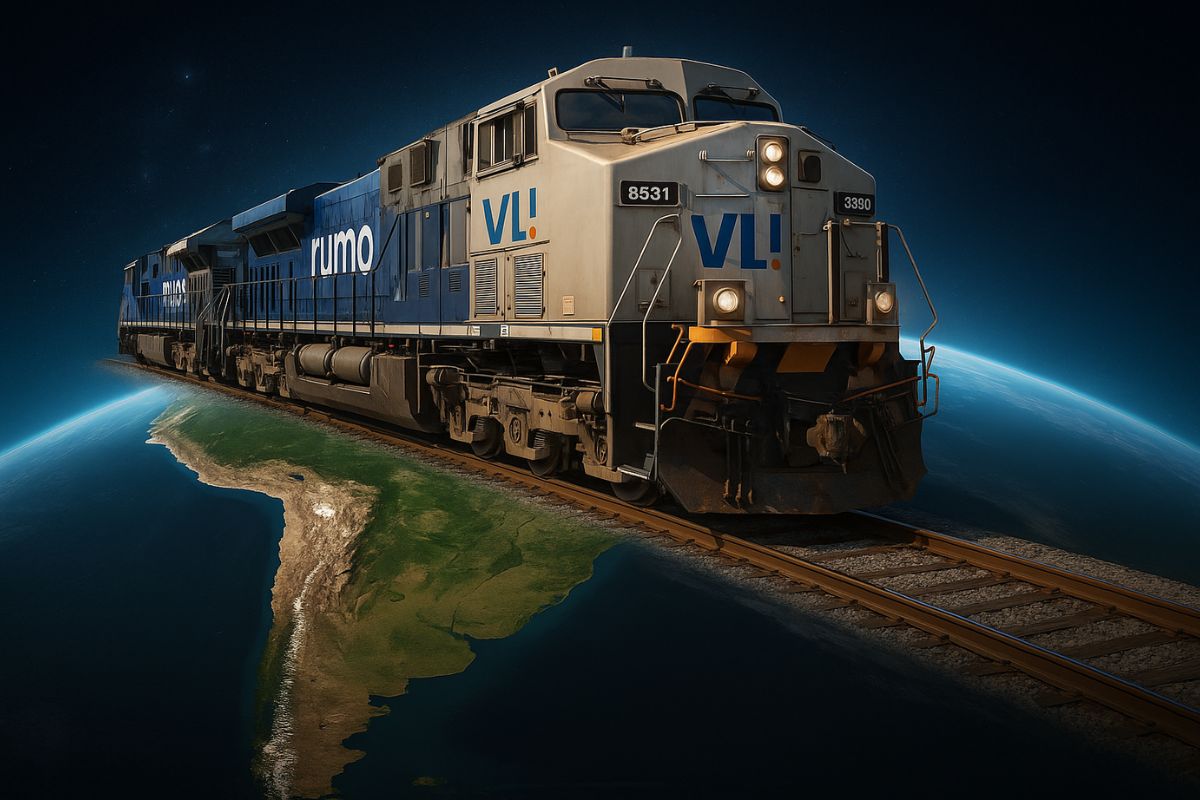


The Dispute for the Renewal of the Centro-Atlântica Railway Concession by VLI Logística Intensifies Rivalry with Rumo and Becomes the Main Battleground for Brazilian Agricultural Cargo.
In the heart of Brazil, a “war” of billion-dollar figures is being fought on the tracks. On one side, VLI Logística, which has mining giant Vale as one of its shareholders. On the other, Rumo Logística, the largest railway operator in the country. The battle for the renewal of the Centro-Atlântica Railway (FCA) is not just a negotiation; it is a movement of R$ 17 billion that will define the future of cargo transportation and the competitiveness of Brazilian agribusiness for the coming decades.
The renewal of the FCA contract, which is in the hands of VLI and expires in 2026, has become the epicenter of a strategic dispute. The outcome of this negotiation could consolidate VLI’s strength or pave the way for its main competitor, Rumo, to expand its dominance over the country’s export corridors.
What Is the Centro-Atlântica Railway?
To understand the dispute, one must know about the FCA. Born from the privatization of the former state network in 1996, it is the largest railway in Brazil in terms of length, with about 7,200 km of tracks in narrow gauge.
-
While children have fun on YouTube, Matias, 2 years old, takes his mother’s phone and buys a sofa for R$ 1,957 with just one click; the family only finds out 2 days later when the delivery person arrives at the grandmother’s address.

-
Greek island offers free housing for volunteers, but there’s a condition: you need to take care of rescued cats.

-
A simple project to install light poles in a village turned into a historical mystery when workers dug up the ground and found, buried for decades 230 meters from where it should have been, an intact object that still showed signs of life.

-
After decades of facing roads, sleepless nights, and thousands of kilometers behind the wheel, a former driver discovers that his retirement is far below expectations and reveals the little-known reality behind the CFA and the rules that surprise transportation professionals.




Its importance is strategic. The FCA is an artery that connects seven of the most important states in the country, including São Paulo, Rio de Janeiro, and Minas Gerais, as well as the Federal District. It is the main route that links the heart of agribusiness in the Midwest to the largest ports in the Southeast, such as the Port of Santos. This is why its control is so valuable.
The Deadlock of 2025: VLI Fights to Renew the Concession
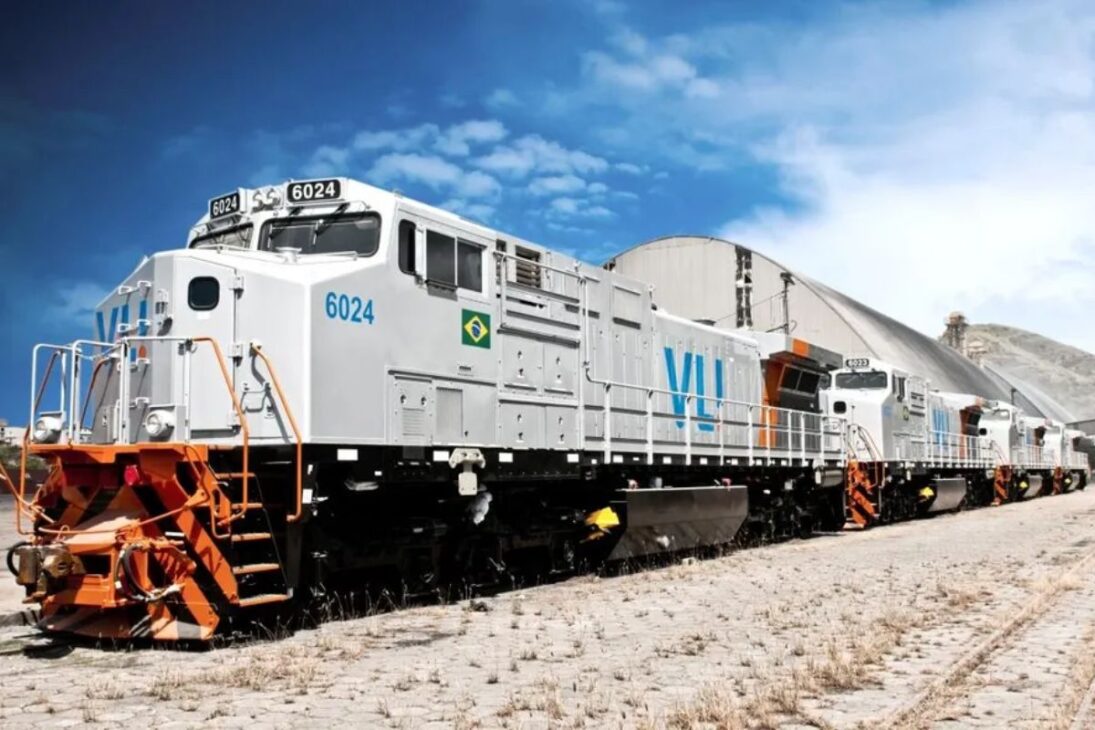
The negotiation to renew the concession of the Centro-Atlântica Railway, which VLI operates, has been dragging on for a decade. The original contract ends in 2026, and the federal government is using the renewal as a tool to demand new and heavy investments.
The numbers on the table are in the billions. The renewal proposal, which reached a critical point in 2025, requires VLI to invest R$ 13.8 billion in modernizing the network and pay a grant of R$ 3.3 billion to the government. It is a high price, but it may be necessary for VLI to ensure its strategic survival.
Rival Rumo and the Dispute for Agribusiness
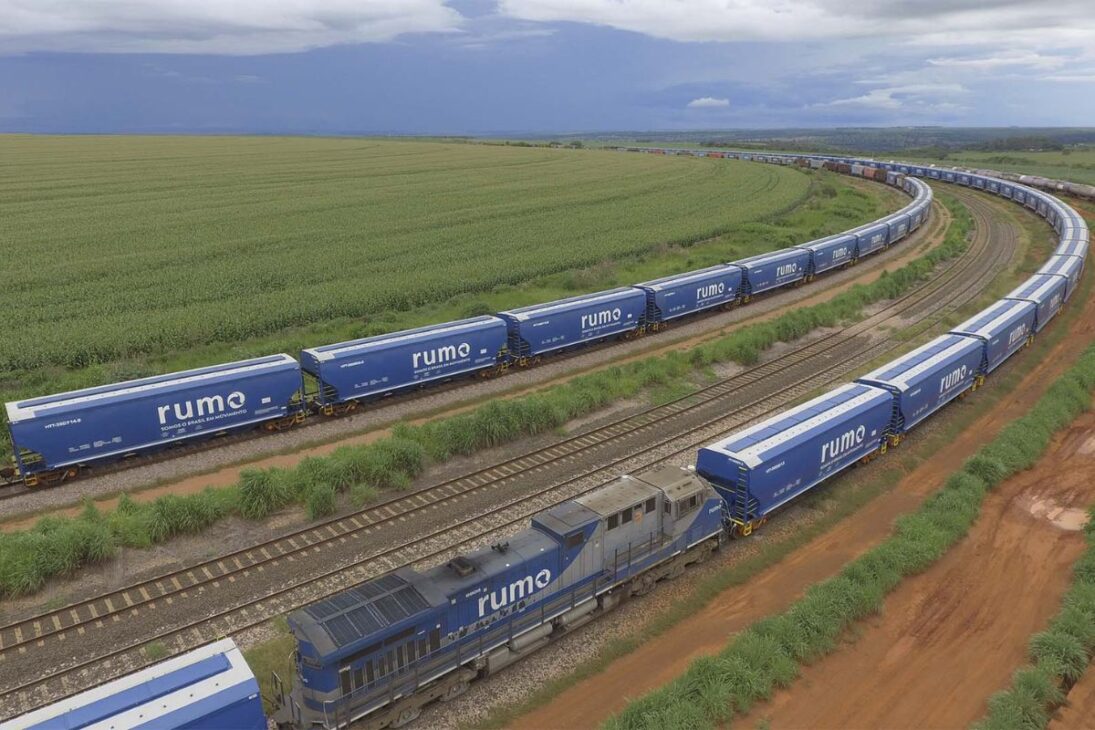
The cargo railway sector in Brazil is living in a duopoly. Rumo Logística is a machine for transporting grains, focused on high efficiency in agribusiness. VLI, on the other hand, has a more diversified operation, transporting everything from soy and sugar to iron ore and fuels.
The competition between the two is fierce, especially in the Midwest. While Rumo invests billions to expand its tracks in Mato Grosso, bringing cargo to the Port of Santos, VLI bets on the Fiol corridor, which would connect grain production to the ports in the Northeast. The dispute for the Centro-Atlântica Railway (FCA) is a central chapter in this rivalry.
VLI vs. Rumo: A Financial Comparison of the Giants in 2024
The numbers show an asymmetric competition. In 2024, Rumo reported a net revenue of R$ 13.9 billion, 42% higher than VLI’s. Its investment capacity was also greater, with R$ 5.5 billion in CAPEX, compared to R$ 3.5 billion for VLI.
This financial advantage gives Rumo more strength for expansion projects. VLI, on the other hand, relies on the diversity of its network and its cargo. The renewal of the Centro-Atlântica Railway is therefore vital for VLI to remain competitive and finance its response to Rumo’s offensive.
The Future of the Tracks: The Renewal of the FCA as a Turning Point
The negotiation for the renewal of the Centro-Atlântica Railway has two possible paths. If VLI accepts the government’s terms, it secures its future, but at a cost that may limit its ability to invest in other fronts.
If the agreement fails, the government could re-auction the railway network, possibly in fragmented sections. This would open a unique opportunity for Rumo to acquire strategic parts of its main competitor’s network, completely redesigning Brazil’s logistics map and consolidating its dominance overwhelmingly.


Leonidad
Existe um erro nessa matéria. A FCA não possui acesso direto ao Porto de Santos. Existem duas linhas que dão acesso ao Porto de Santos, uma pertence a MRS e a outra a Rumo.
Precisam investir mais em trens de passageiros, ficaria mais assessivel,e maravilhas da natureza