






 Portuguese
  Spanish
  3 min of reading
  0 comments


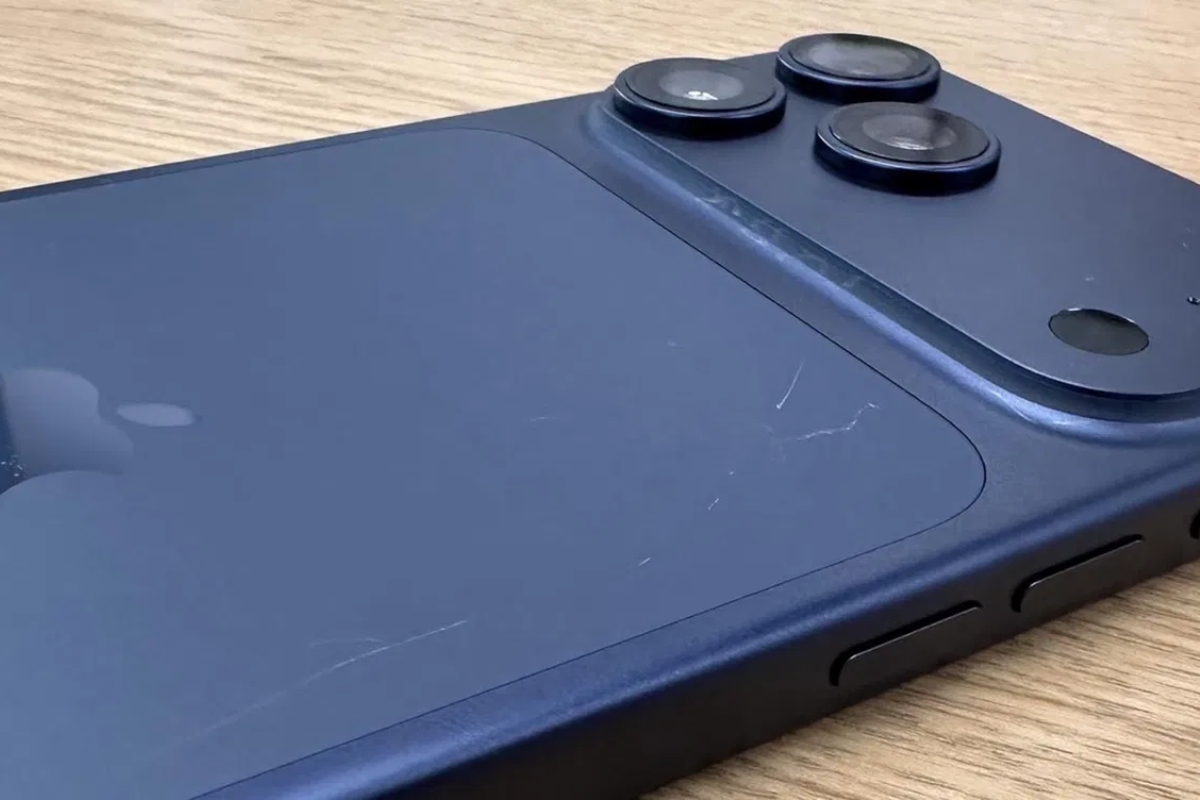
New iPhone 17 Users Report Scratches Right Out of the Box. The Switch from Titanium to Aluminum Rekindles Past Controversies for Apple and Raises Questions About the Durability of Pro Models
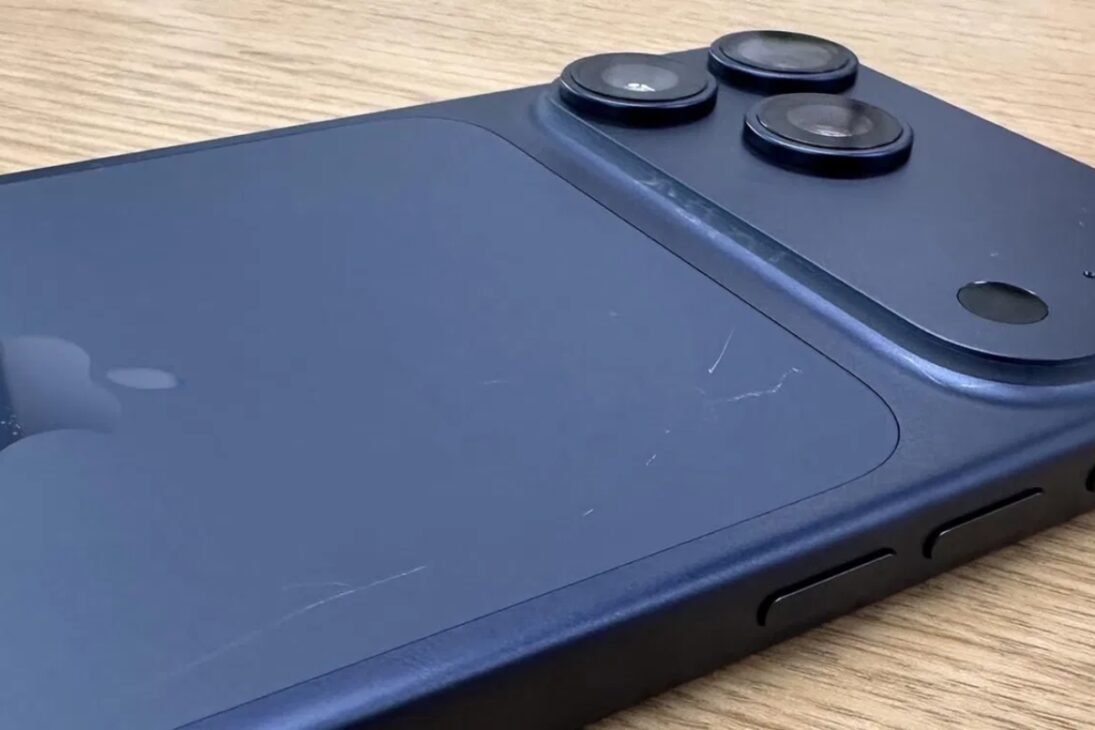
Just days after hitting the stores, the iPhone 17 has already become the target of criticism on social media. Users report that the new devices show scratches within the first hours of use, especially in the Pro and Pro Max versions.
The situation, dubbed “scratchgate”, has brought back memories of past controversies involving Apple and its choice of materials.
Complaints in Stores and Social Media
Images and videos posted on X/Twitter show demo units scratched on the very first day of display in Apple Stores in New York, Shanghai, and London.
-
Helicopter Drops 180 Tons of Sand and Gravel on Swedish River to Revive Ecosystem Damaged by Decades of Exploitation

-
Brazilian Company Launches Retro Smartphone with 48 MP Camera, T9 Keyboard, and Privacy Features for Social Media-Free Use

-
Self-Taught Chinese Farmer Builds 5-Ton Submarine from Scrap, Launches It in Anhui River
-
Invisible Induction Technology Enables Wireless Power for Blenders, Coffee Makers, and Air Fryers, Reducing Countertop Cables




Additionally, buyers claim that the scratches appear even at the unboxing moment, with circular marks left by MagSafe.
One of the most shared reports compares the durability of the new iPhone with that of the old iPhone 13 Pro Max.
“Sorry, Apple, but #Scratchgate is real and very disappointing,” wrote a consumer, warning other buyers to use protective cases from the very beginning.
Same here… This years quality is a disaster pic.twitter.com/VHoWVZto3E
— Vítek Havliš (@vitekhavlis) September 21, 2025
Aluminum Replaces Titanium and Reignites Debate
According to journalist Mark Gurman from Bloomberg, the problem is linked to Apple’s decision to replace the titanium sides — present in the previous generation — with anodized aluminum.
While aluminum offers better thermal dissipation, its surface is more vulnerable to scratches, something that becomes even more evident in darker color versions.
This contrast has led experts to speculate that Apple avoided launching a completely black Pro model in 2025 specifically to reduce the visibility of damages.
Repeated Controversies
The history recalls other delicate moments for the company. In 2012, the iPhone 5 was marked by its tendency to peel and scratch due to the anodized aluminum, especially in black.
At the time, Phil Schiller, then Vice President of Marketing, stated that “any aluminum product can scratch or chip,” calling the issue a “normal” occurrence.
Earlier, in 2010, Apple had already faced Antennagate, when the iPhone 4 lost signal depending on how it was held. In 2014, Bendgate became the topic of the moment, with iPhones 6 and 6 Plus easily bending in pockets due to their thin aluminum structure.
Now, with the launch of the iPhone Air and iPhone 17, concerns have risen again. Although recent tests indicate greater durability of the thinner models, the debate over Apple’s design choices is once again in the spotlight, reigniting questions about how far the pursuit of elegance can compromise durability.





Be the first to react!