Portuguese
  Spanish


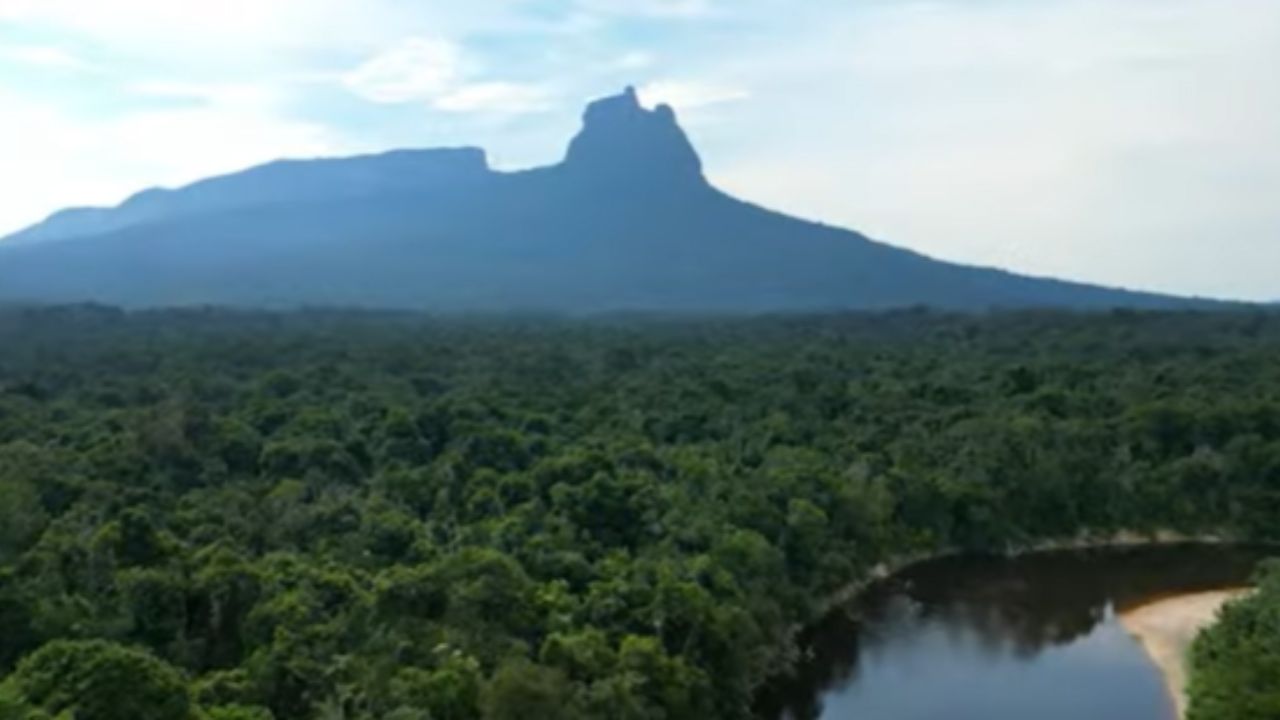

Located in Indigenous Land, the Highest Point in Brazil is a Treasure of Biodiversity with Restricted Access, Representing a Symbol of the Fight for the Preservation of the Amazon.
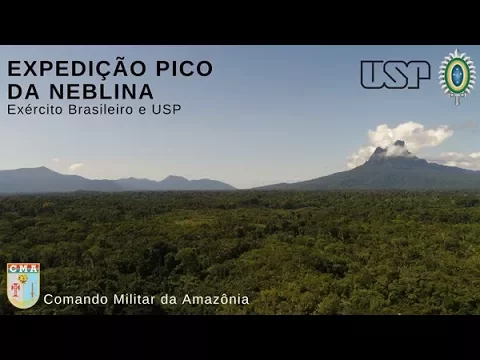
In the far north of Amazonas, a mountain rises amidst a dense mist. For Brazil, it is the Pico da Neblina, the highest geographical point in the country. For the Yanomami people, its ancestral guardians, it is Yaripo, the “House of Spirits”, a sacred and living entity. With strictly controlled access, this place represents the clash between science and spirituality, and the struggle for indigenous sovereignty and environmental protection.
Yaripo or Pico da Neblina? The Dual Identity of the Highest Point in the Country
The mountain carries two names and two worldviews. The name “Pico da Neblina” was given by the Brazilian State, treating it as a geographical superlative to be exploited. The indigenous name, “Yaripo”, reveals a sacred place, a pulsating entity at the center of the Yanomami cosmos. This duality reflects the conflicts of the Amazon: indigenous cosmology versus state geopolitics and preservation versus extractivism.
Geography, Altitude, and Extreme Climate
Pico da Neblina is located in the Serra do Imeri, part of the ancient Guiana Shield. Its official altitude is 2,995.30 meters, measured by IBGE in 2015. This makes it the highest peak in Brazil and in the entire Guiana Shield. Its geological formation dates back to the Precambrian era, one of the oldest on the planet.
-
Thailand Converts 8 Tons of PET Bottles into 3,500 School Backpacks, Showcasing Circular Economy with Over 40 Factories Involved

-
Mysterious Bats Spotted in Paris’s Père Lachaise Cemetery, Drawing Tourists to the “Vampire Cemetery”

-
From Selling Street Food to Leading a $300 Million Construction Firm: The Journey of a Brazilian Entrepreneur

-
Abandoned Penthouse in Houston Reveals Million-Dollar Suite with 24-Karat Gold, Tiffany Crystals, and Opulence Even Elvis Might Have Snubbed



The climate is a decisive factor. At the base, warm humid equatorial conditions prevail. However, as altitude increases, the temperatures drop drastically, potentially reaching 6°C at the summit. The interaction between humidity and cold creates the dense and persistent fog that names the mountain in Portuguese, acting as a natural barrier of protection.
The Spiritual Heart in Yanomami Land-Forest
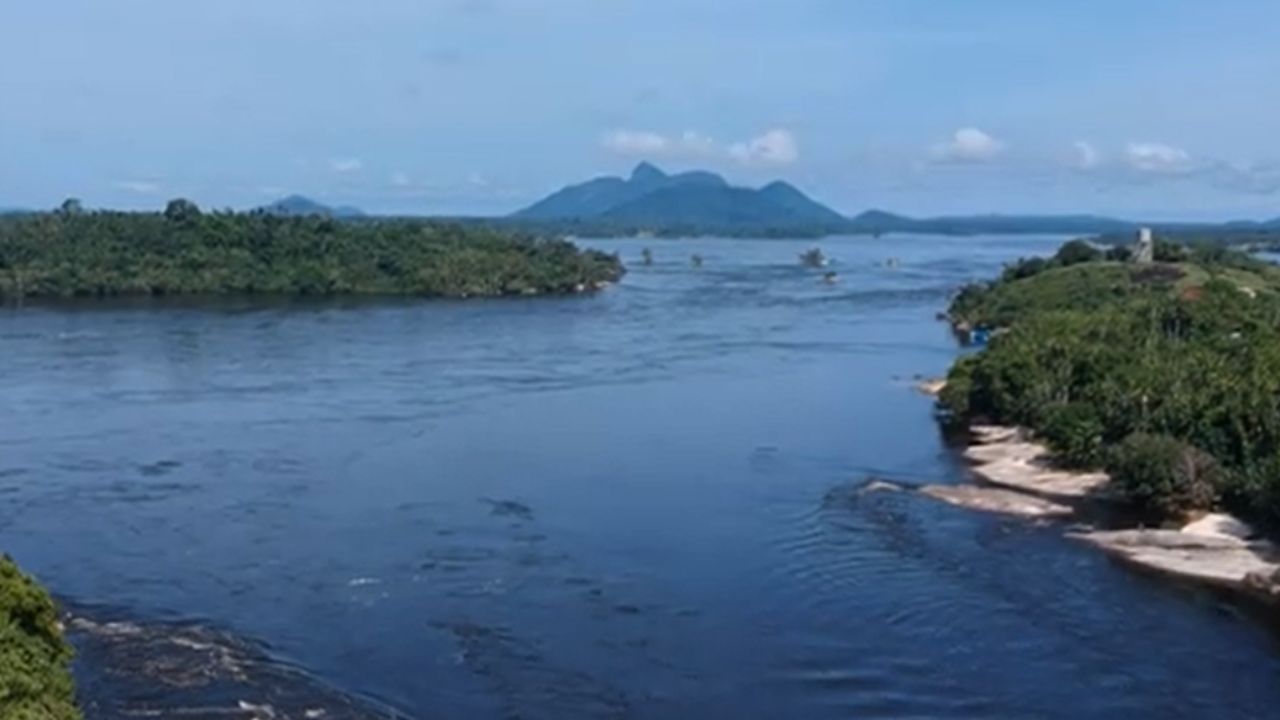
For the Yanomami, the land (urihi) is a living entity. Within this cosmos, Yaripo is the “House of Spirits”. It is the dwelling place of the xapiripë, the spirit helpers of the shamans (pajés), essential for the balance of the universe. The trail to the summit is a spiritual journey, and specific locations are sacred.
Entities like Yariporari (spirit of the wind) and Ruwëriwë (spirit of the cold) inhabit the mountain. Therefore, access is governed by strict protocols. Visitors must receive a blessing from the shamans to ensure spiritual protection, a non-negotiable act of the visitation plan.
The Yaripo Project and Community Ecotourism
After a period of unregulated tourism, access to Pico da Neblina was closed in 2003. Years later, the Yaripo Project was born, a new model of visitation planned and led by the Yanomami themselves. This Community-Based Tourism (CBT) project transforms tourism into a tool for cultural affirmation and territorial defense.
Access is highly controlled, with groups of no more than 10 people, accredited operators, and strict rules, which include the ritual of spiritual protection. The project aims to generate a sustainable economic alternative to combat the allure of illegal mining.
The Constant Fight for the Preservation of Pico da Neblina

The illegal gold mining, or garimpo, is the biggest threat to the region. The activity causes deforestation, contaminates rivers with mercury, and brings diseases. State operations, such as Operation Yaripo Ye’pâ, aim to combat the invasion by destroying illegal camps and equipment. However, the problem persists and adapts, with miners migrating to new areas when enforcement tightens at one point. In this scenario, the Yaripo Project gains even more strength.
The presence of organized tourism led by the community serves as a constant surveillance, making it difficult for criminal activities to enter and remain. The future of Pico da Neblina is directly linked to the empowerment of the Yanomami people and their protection and sovereignty initiatives.