Portuguese
  Spanish


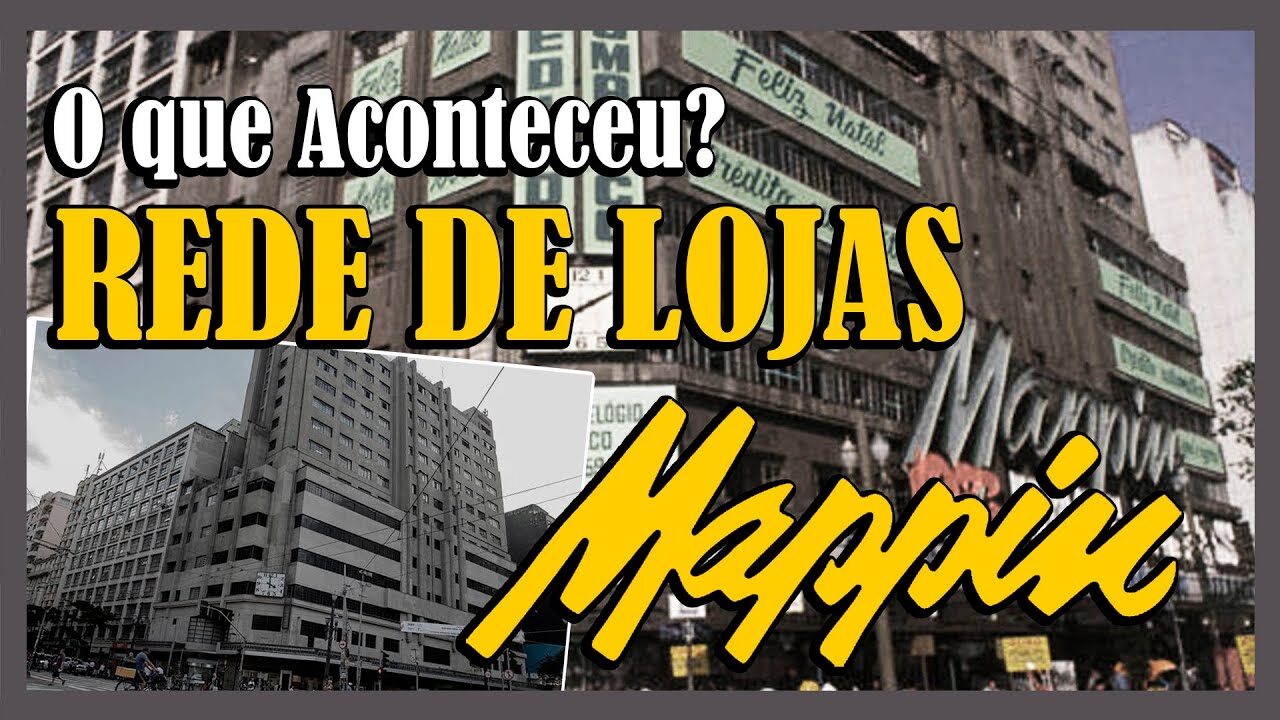

Mappin Dominated Retail, Created Installment Plans, and Became an Icon in São Paulo. But Why Did It Fail? Discover the Behind-the-Scenes of Its End.
For decades, the name Mappin was synonymous with sophistication, innovation, and consumption in Brazil.
Founded at the beginning of the 20th century, the São Paulo department store won over generations by transforming the shopping experience into a social event.
However, despite its success, the company faced a downfall that culminated in the closure of its operations in 1999. What led one of the most beloved brands in the country to disappear so quickly?
-
How to Prevent Brown Recluse Spider Bites: Common Hiding Spots and Free Tips to Reduce Risks

-
Natto: The Unusual Japanese Superfood Gaining Popularity on Social Media and Driving Record Exports
-
Brazilian Mayor Goes Undercover as Homeless for 24 Hours to Assess Public Services

-
15-Year-Old Entrepreneur Malu Lira Publishes 20 Children’s Books on Financial Education, Earns $500,000, and Expands Her Project to the Amazon Rainforest




The British Origin and Rise in Brazil
The name Mappin comes from a traditional English jewelry store, Mappin & Webb, founded in 1774.
In Brazil, the first unit of Mappin Stores Ltda. was opened in 1913, on Rua XV de Novembro, in downtown São Paulo.
But it was only from 1939 that the brand gained national prominence with the opening of the store at Praça Ramos de Azevedo, across from Theatro Municipal.
The building, with six floors and an imposing facade, soon became one of the most sophisticated addresses in the city.
Mappin offered everything: clothing, furniture, toys, electronics, household goods, and even food — all in one place. The concept of a department store was born in Brazil.
A New Way to Consume: Sunday Showcases and Credit Purchases
Mappin was a pioneer in several aspects of national retail. It was one of the first chains to operate on Sundays and to allow customers to purchase through installment plans and its own credit system.
The store offered decorated showcases and personalized service, making visits a pleasurable experience.
Shopping at Mappin was, for many families, a sign of social ascension. It was common to see couples strolling through the well-lit aisles or children delighting in the displayed toys.
The “Sunday at Mappin” program became famous, attracting crowds at Praça Ramos.
The Beginning of Decline: Competition, Poor Management, and Economic Crisis
As the 1990s progressed, Mappin began to face a series of difficulties.
Uncontrolled expansion, competition from new shopping malls and cheaper chains, and a poorly strategic management put the brand on a collision course with reality.
In 1996, the chain was acquired by Ricardo Mansur, who had also bought the struggling Mesbla.
The attempt to centralize the operations of both companies, reducing costs and unifying sectors, led to disorganization, a drop in service, and public dissatisfaction.
At the same time, the country faced economic instability, high unemployment rates, and changes in consumer behavior.
With tight margins and difficulties in adapting to the new retail model that was consolidating with the arrival of hypermarkets and e-commerce, Mappin began to lose momentum.
The Melancholic End of a Retail Giant
In July 1999, the court declared Mappin bankrupt. The chain, which had once operated 11 stores in São Paulo and employed around 3,000 people, closed its doors for good.
At the time, the company’s liabilities exceeded R$ 100 million.
The buildings of the most iconic stores were auctioned off. The unit at Praça Ramos de Azevedo, an architectural landmark, was sold and later occupied by government agencies.
Part of the inventory was liquidated at symbolic prices, and many former employees had to resort to the courts to receive their rights.


The Power of Memory and Attempts to Revive the Brand
Despite its end, Mappin has never been forgotten by consumers.
The brand continues to evoke nostalgia among Brazilians.
Just an image of the facade or an old advertisement shared on social media brings thousands of comments recalling shopping trips, family outings, and the charm of the displays.
In 2010, the Marabraz network even acquired the rights to use the Mappin brand and launched an online store under its name. However, the initiative did not progress and was eventually discontinued.
The Mappin brand is still registered and active, which keeps open the possibility of a future return to the market — even if it is just as a historical reference or retro line.
A Symbol of Status and Social Transformation
Mappin was more than just a store: it was a symbol of the modernization of consumption in Brazil. Its history reflects a country in transformation, between crises and growth cycles, between the traditional and the modern.
The brand’s trajectory also serves as a warning about the risks of expansion without planning, loss of identity, and disconnection from the new consumer profile.
Even today, the memory of Mappin moves those who lived through its golden years. Whether through the escalators, the café on the top floor, or the iconic advertisements, the name remains alive in collective memory.
And you, do you also have memories of shopping or outings at Mappin? What stood out most to you in the experience of visiting one of the most iconic stores in Brazil?