Portuguese
  Spanish


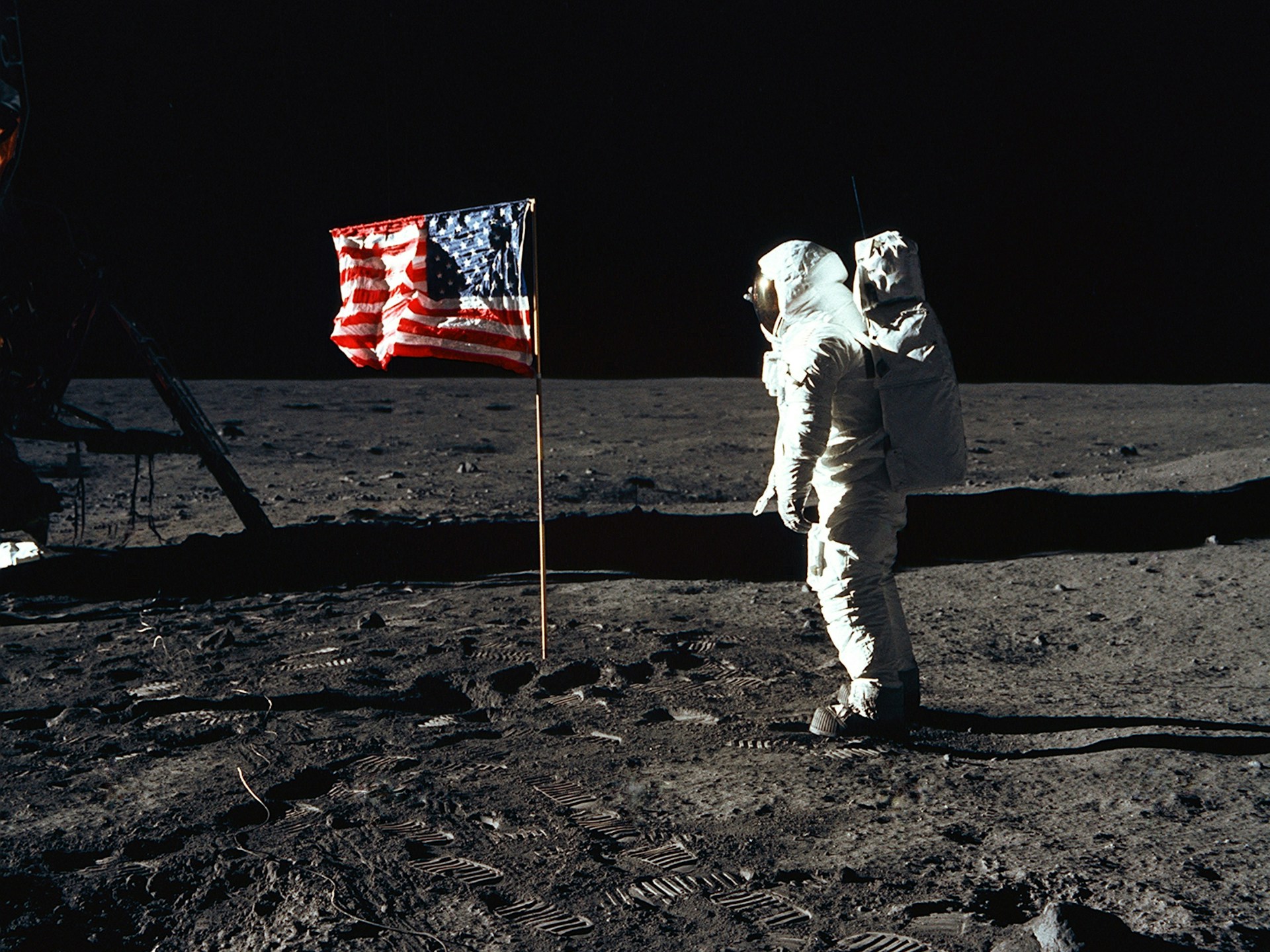


After More Than 50 Years, NASA Moves Ahead with Plans to Use the Moon as a Springboard for Solar System Exploration
The last time a human set foot on the Moon was in December 1972, during the Apollo 17 mission. Since then, NASA has planned to return humans to the natural satellite, but various factors have delayed new missions. The difficulties, however, are not technological. They are political and economic.
Ongoing Scientific Interest
Even after the end of the Apollo mission, the Moon continued to be an object of interest for NASA. The agency successfully sent more than 500 samples of lunar soil and rock to institutions around the world.
These materials have been fundamental for scientific advancements in understanding the history, structure, and composition of the Moon.
-
Pennsylvania Mine Creates Ice in Summer Heat and Melts in Winter, Turning a Mountain Crevice into a Reverse Natural Refrigerator

-
China Accelerates Global Expansion of Robotics: From Smart Vacuums to Industrial and Humanoid Machines, Millions Exported to Over 150 Markets
-
Polar Air Mass to Hit Brazil: Temperatures to Plummet in Nine States, Near Freezing in the South with Frost Risk Until Monday
-
Chinese “dark factories” produce electric cars 24/7 with minimal human intervention, as Zeekr assembles 800 units daily, raising concerns in Brazil.




Over time, technology has evolved. Today, we know the lunar surface in much greater detail without needing to send humans again.
The mineral composition and topography of the Moon are mapped accurately thanks to unmanned missions, such as the Lunar Reconnaissance Orbiter (LRO), launched in 2009 by NASA itself.
Unmanned Missions and Technology Advancement
The Lunar Reconnaissance Orbiter (LRO), launched in 2009, remains active, orbiting the Moon at altitudes ranging from 20 km to 165 km. The mission recorded locations of the Apollo missions and collected detailed surface data.
The information has reduced the need for new manned missions solely for scientific studies, but larger projects still require a human presence.
Currently, humanity gains relevant knowledge about the Moon through robotic probes and equipment left from previous missions. The cost of a new human landing would be very high, and so far, it has not been justified to repeat such operations solely for scientific purposes.
Shift in Focus: Beyond the Moon
According to NASA, the agency’s current efforts are focused on leading a sustainable and innovative space exploration program. This program involves collaboration with entrepreneurs worldwide. The main focus, however, is no longer the Moon, but solar system exploration.
The strategic plan anticipates starting with the Moon, establishing a forward base for space exploration, and then heading toward Mars. The Moon, therefore, has a different role: no longer the destination, but a step towards longer and more ambitious flights.
Preparation for New Challenges
This is why humans have not yet returned to the Moon. Scientific interest has been partly met with current technologies, and the focus now is to use the Moon as a base for new challenges.
The expectation is that soon we may witness human return to the lunar surface, with the aim of establishing this new exploration platform in the coming years.
Other Interests
After more than half a century since the last manned mission to the Moon, human interest in returning to the natural satellite resurfaces vigorously, driven by goals that transcend scientific exploration.
The presence of frozen water at the lunar poles, discovered in 2018, opens possibilities for producing fuel and life support, essential for future long-duration missions.
Additionally, the construction of a space station in lunar orbit, such as Gateway, aims to establish a platform for deeper space travel, including expeditions to Mars.
The Artemis program, led by NASA, not only plans to bring humans back to the Moon but also seeks to promote diversity, including women and Black people in lunar missions for the first time.
With the collaboration of international partners and private companies, the new lunar race represents a strategic step toward expanding human presence in the solar system.
With information from Brasil Escola.