Portuguese
  Spanish


The Diversion of the Doce River to an Artificial Canal, During the Construction of the Aimorés Hydroelectric Plant, Transformed the Heart of the Mining City into a Dry Bed of Stones, Silence and Unfulfilled Promises
What was once the lively waterfront of the Doce River, in Aimorés (MG), is now a pavement of stones and sand. From the sidewalk along the former watercourse, residents can no longer see the river. Instead, they can only see a narrow stream flowing hundreds of meters away.
On the dry riverbed, puddles infested with mosquitoes take the place of the natural flow. Snakes and vultures compete for space among remnants of trash and animal carcasses.
The scene is one of abandonment, and the 25,000 inhabitants of the city cope with the direct impact of the absence of a river that, for more than a century, gave meaning to local life.
-
Daughter of a Cleaner and a Doorman Started at McDonald’s at 14, Opened a Salon for Curly Hair at 19, and Helped Grow it into a Network with Thousands of Employees

-
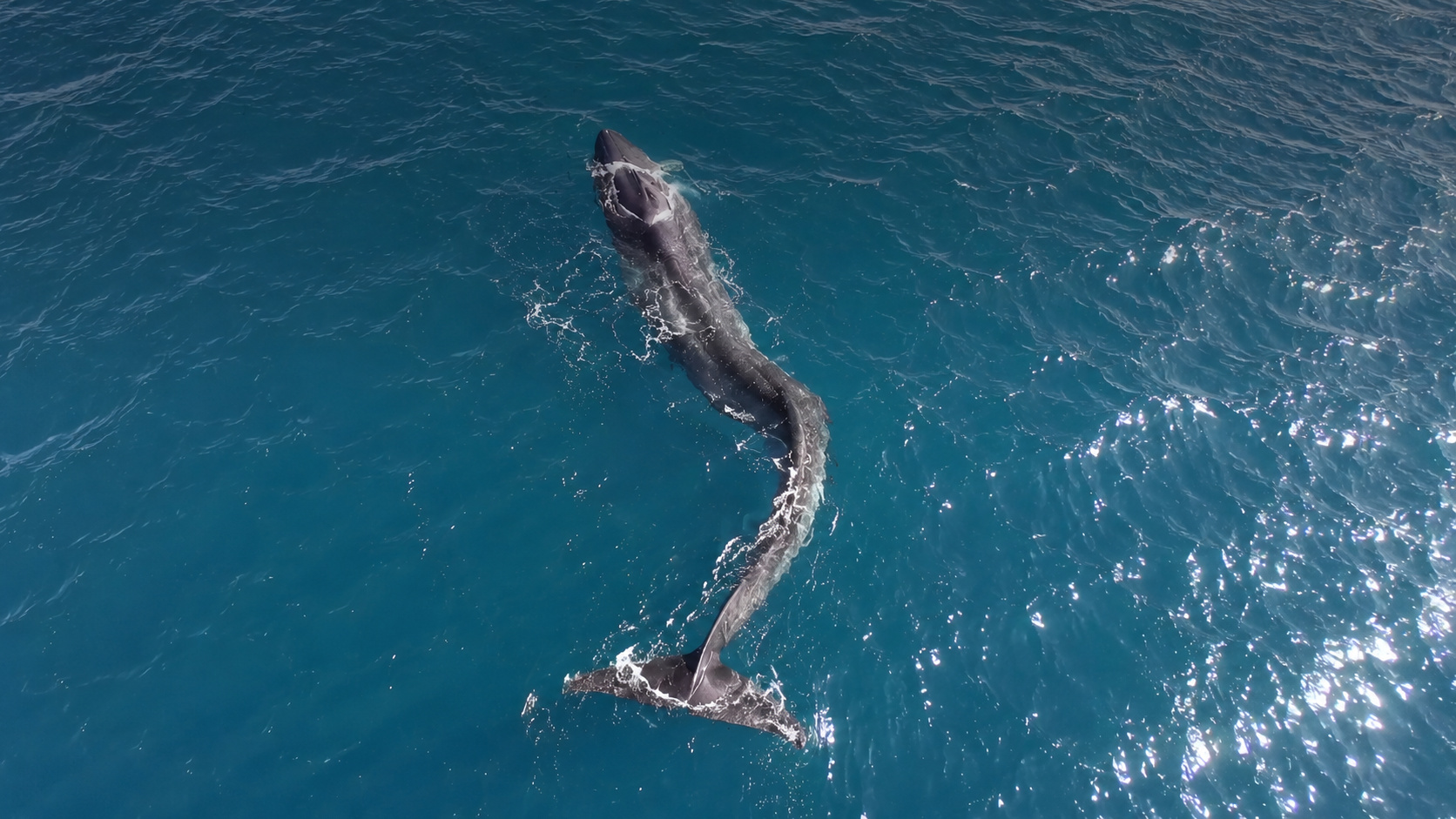
Whale with Scoliosis Spotted in Spain, Baffling Experts After Being Mistaken for Entangled Animal

-
Son of Poor Farmers Fled Home Four Times Seeking Work, Founded Hyundai, and Transformed It into a Global Industrial Giant in Over 190 Countries
-
13-Year-Old Raises Funds to Build Well, Transforming Lives in Cambodian Community Lacking Clean Water




The Diversion That Changed the Destiny of the City
Residents attribute the collapse to the impact of the Aimorés hydropower plant, built between 2001 and 2005. The plant, located precisely at the point where the river flowed through the city, diverted the natural course of the Doce to an artificial canal of 11 kilometers.
The new route goes behind the mountains and only returns to the original riverbed after crossing the entire urban waterfront.
As a result, Aimorés was left with emptiness — an arid landscape, surrounded by unfulfilled promises and a development that never materialized.
“It was a total abandonment for us the loss of this river. It was the same as ripping out our hearts,” laments Maria Helena Calvão Casper, 80, who was born in the city.
The Promise That Turned into Fiction
The project for the plant, conceived by Vale and Cemig, arrived in Aimorés wrapped in rhetoric of progress.
The promise was jobs, environmental compensations, and a permanent “layer of water” in front of the city — a liquid mirror controlled by the regular release of water.
This argument convinced Ibama, which granted the environmental license after the presentation of a model displayed in a local gym.
According to the plan, the urban section would have a constant volume of water, with no risk of drying up. In practice, the liquid mirror never existed.
“They said this would be done throughout the stretch, they showed the model. After they completed the work, it disappeared, and the river never returned to normal,” reports Marco Aurélio Almeida de Oliveira, owner of the Aimorés Palace Hotel.
The River That Disappeared
The natural pulse of the Doce River ceased to exist. Previously, its minimum flow reached 343 cubic meters per second. Now, the volume drops to less than 5% of that throughout the year.
Documents obtained by Folha reveal that Ibama already knew, from the beginning, that the impact would be severe.
Even so, it considered the conditions presented by the company “acceptable,” authorizing the operation of the hydroelectric plant. In practice, it was enough for the river to seem to exist.
Additionally, reports and records indicate political pressures during the licensing process. The promised liquid mirror ended up being an environmental fiction — a technical solution that was never executed.
“Before, the river would drop at certain times, but there was always water. Today, we only see stones. This promise of a liquid layer has never been fulfilled. The city lost the river it had,” says agricultural engineer and biologist Jaeder Lopes Vieira, 60, who was also born in Aimorés.
An Old Plan with Modern Consequences
The idea of diverting the Doce River predates the construction of the plant. The concession for the project was granted to Cemig back in 1975, when there were no environmental laws that currently govern the sector.
Thus, the plan executed between 2001 and 2005 followed an old model, little open to public contestation.
“They said it was necessary to divert the river for a greater drop in water. But why divert it 11 kilometers in front of a city? That makes no sense,” criticizes Vieira.
Energy for Millions, Silence for a City
With a capacity of 330 megawatts, the hydroelectric plant can supply up to 1 million people. The number is significant, but the environmental and social cost is equally high. What was once a symbol of progress has become a constant reminder of loss.
The responsible concessionaire, Aliança Geração de Energia — formed by Vale and the American group GIP (Global Infrastructure Partners) — claims to meet all environmental requirements and maintain monitoring by Ibama.
However, the environmental agency is pressuring the company to present a definitive solution to the damages. Otherwise, the plant could lose its concession.
The Hope That Still Flows in Aimorés
Despite the bleak scenario, part of Aimorés’ residents still believes that the river can be reborn. Jaeder Lopes Vieira, who grew up swimming in the Doce waters, says he has not given up.
“We believe this can be reversed, that the water can return. It’s never too late. It’s urgent that this is done.”
In the meantime, the dry riverbed remains an open scar in the heart of the city — a reminder that progress, when it ignores natural balance, can come at too high a cost.
With information from Folha de São Paulo.