





 Portuguese
  English
  Spanish
 6 min of reading
  0 comments


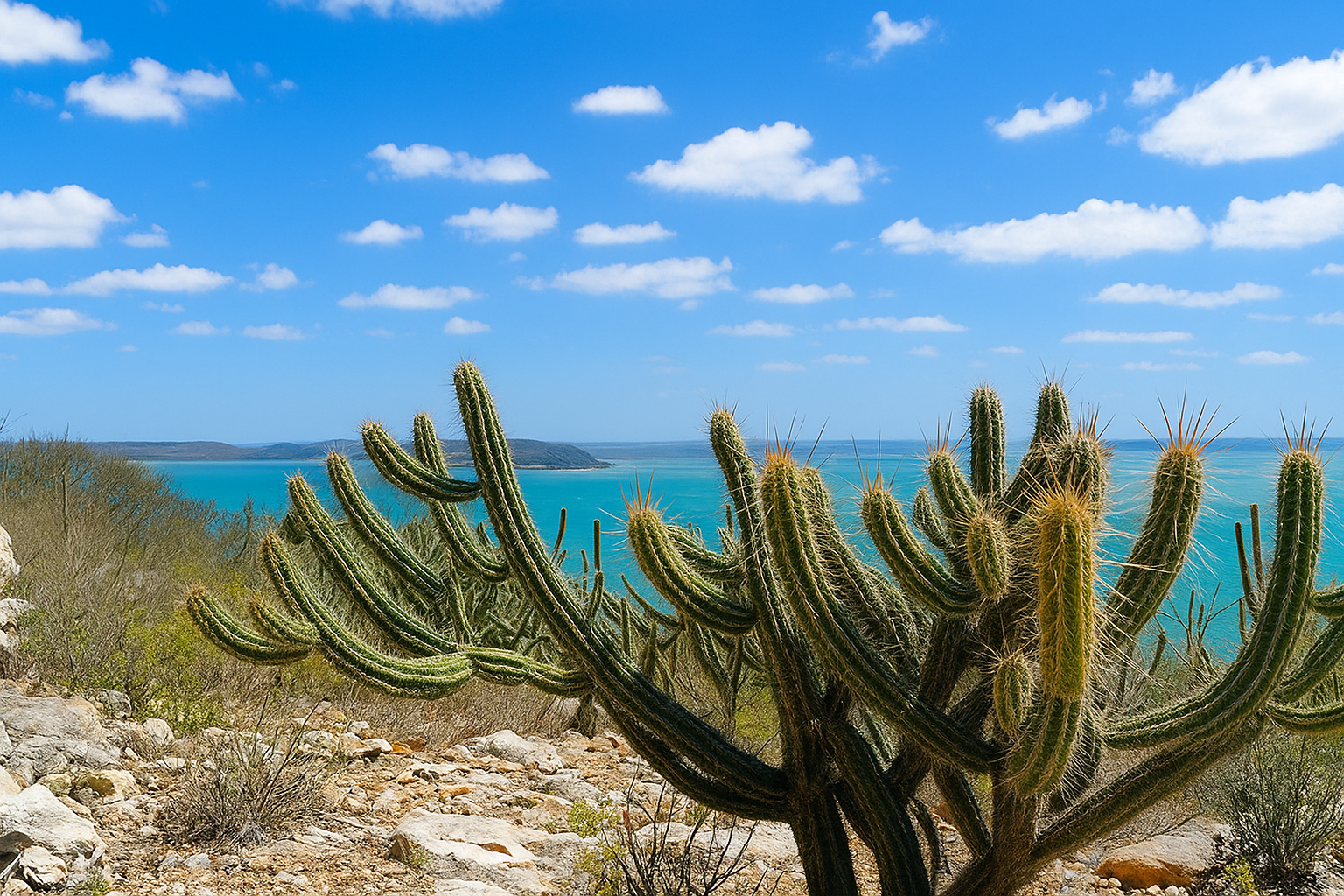
Discover How Solar Power Plants in Ceará Occupy 3,226 Hectares of the Caatinga, Combining Renewable Energy and Environmental Challenges in the Northeastern Semi-Arid Region.
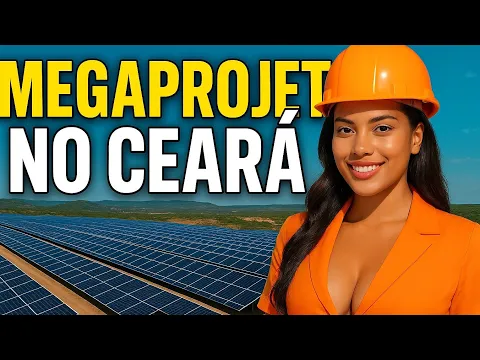
Ceará has stood out in recent decades for the growth of solar energy production; thus, it has become a reference in sustainable development in Brazil. According to data from the MapBiomas initiative, the state already occupies 3,226 hectares of the Caatinga with solar power plants, establishing itself as one of the regions with the greatest expansion of this type of enterprise in the country.
Although it represents an advance in the renewable energy matrix, this occupation also generates environmental and social challenges that require attention.
Historically, the northeastern semi-arid region has faced challenges related to water scarcity and the difficulty of economic development; however, with the encouragement of renewable energy starting in the 2000s, Ceará has transformed into a hub for solar generation.
-
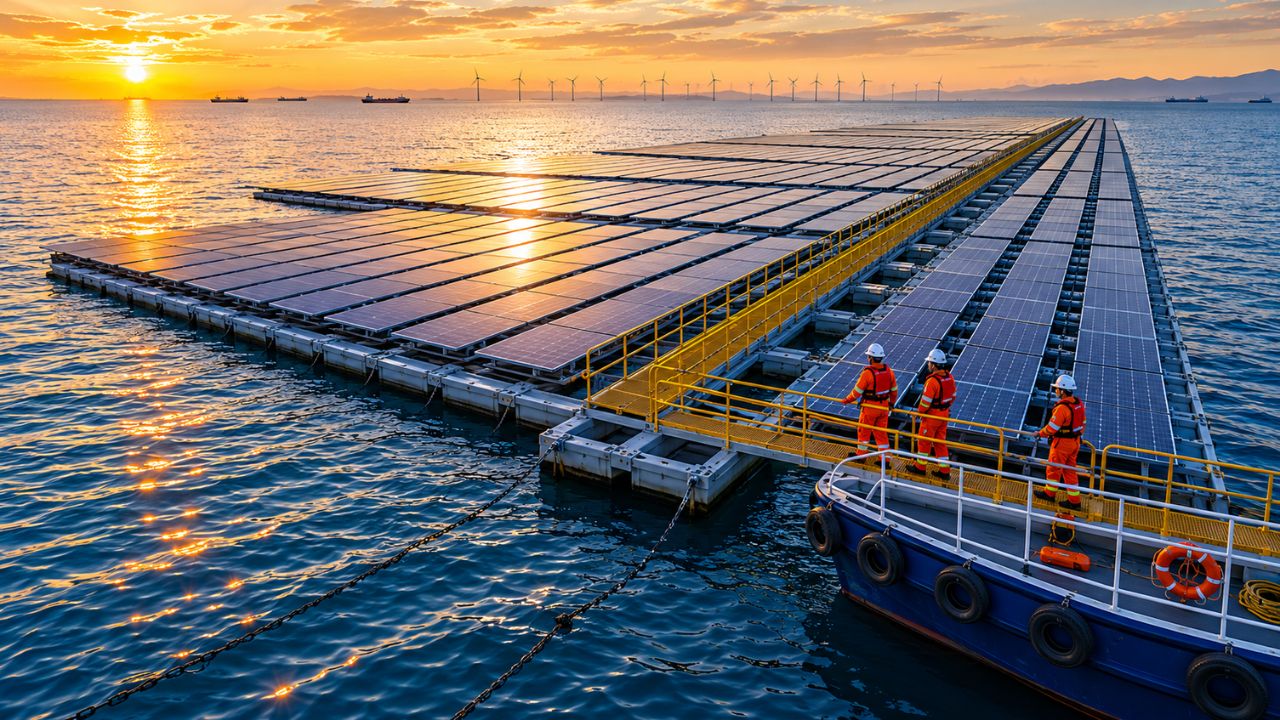
Solar panels at sea can generate up to 12% more energy than land-based plants, study finds: Researchers from Taiwan discovered that offshore solar panels take advantage of the natural cooling of water to increase electrical efficiency, reduce heat losses, and expand renewable energy production in regions with limited available land space.

-
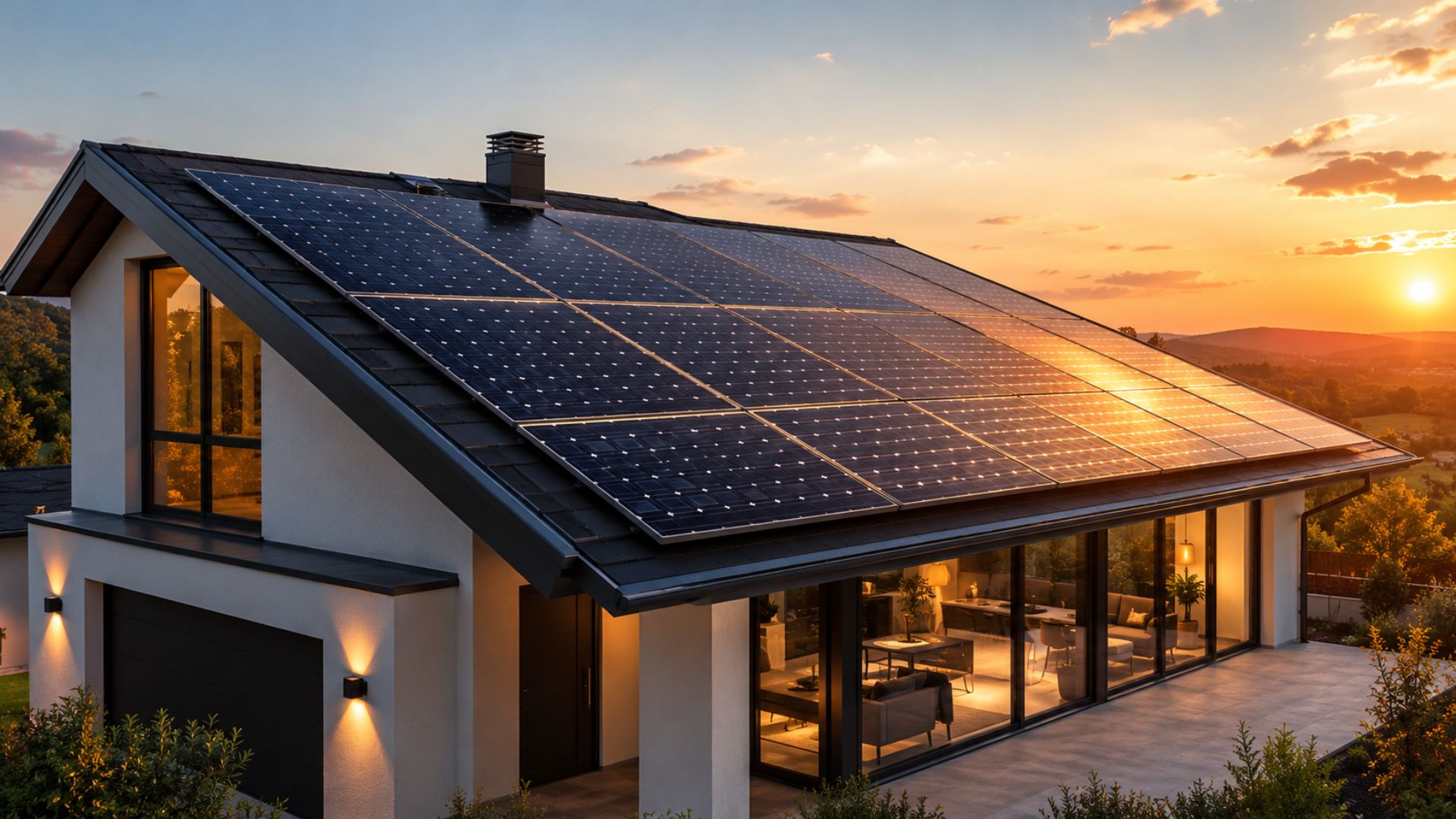
The era of solar panels attached to roofs is beginning to change with transparent glass that generates energy while keeping the view unobstructed, and perovskite photovoltaic windows already tested in offices in Japan promise to transform entire facades into invisible power plants without blocking light or altering the appearance of buildings.

-
The era of silicon alone in solar energy comes to an end with the arrival of perovskite, a material that captures a broader light spectrum, is applied as a thin film, and, together with silicon, reaches a theoretical limit of 45% efficiency in tandem modules.

-
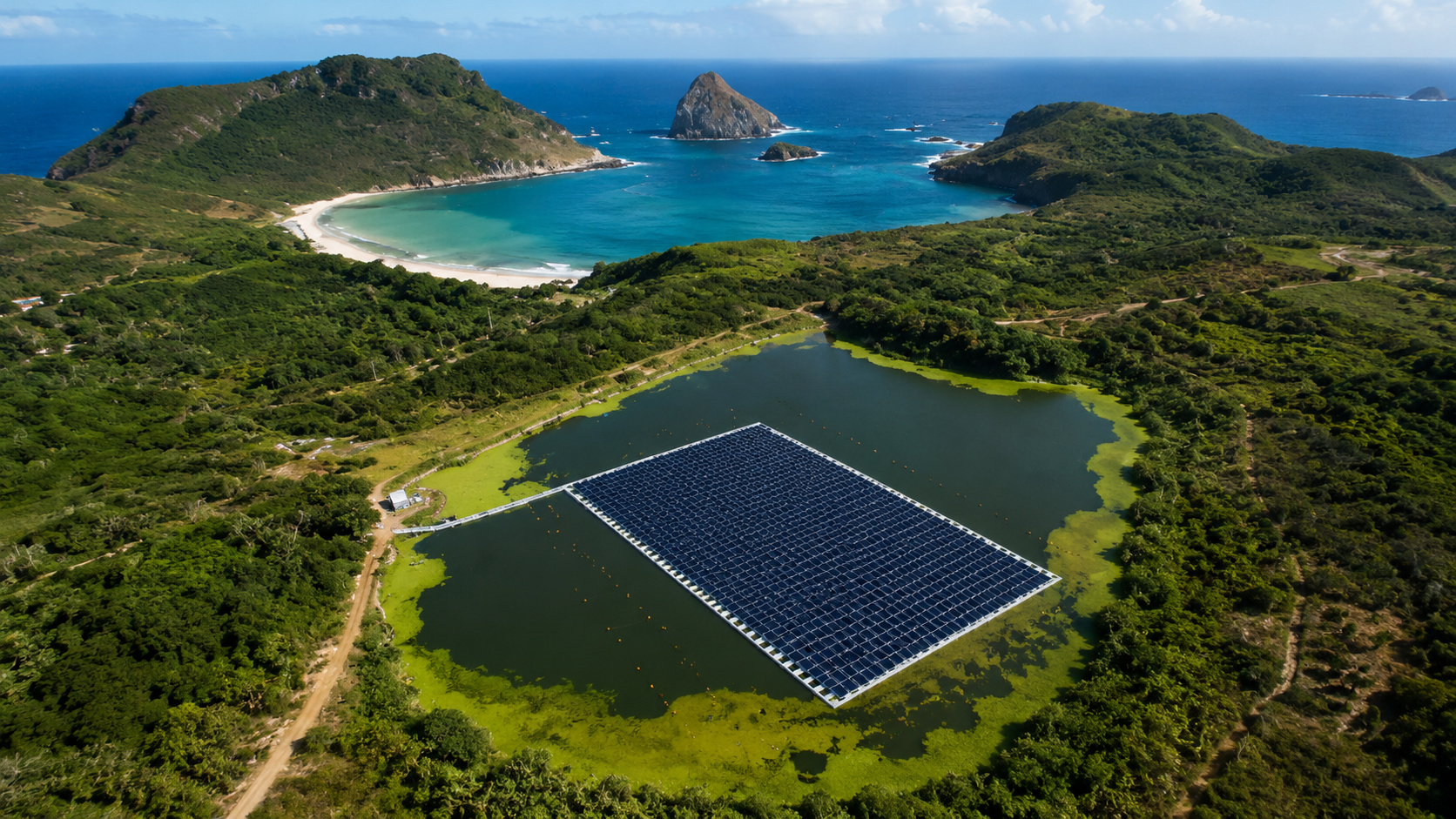
Fernando de Noronha begins unprecedented energy transformation with a R$ 350 million solar plant that promises to replace diesel generation and change the island’s sustainable future by 2027.

It has taken advantage of its high solar radiation index and available land in less densely populated areas. Consequently, the installation of solar power plants in Ceará meets the energy demands of the country and creates opportunities to diversify the local economy.
However, the growth of these installations directly impacts the Caatinga biome, which is exclusive to Brazil and possesses unique characteristics of flora and fauna adapted to the semi-arid climate.
Daniel Fernandes, executive director of the Caatinga Association, warns that the occupation of the territory by solar enterprises hinders essential ecosystem services, such as climate regulation, water production, soil fertility, and biodiversity maintenance.
Thus, standing forests perform functions that go beyond aesthetics: they sustain life and maintain the environmental balance of the region.
Moreover, preserving the Caatinga protects cultural traditions and ways of life of rural communities that depend on local flora and fauna for food, natural medicines, and economic activities.
Therefore, the installation of solar power plants in Ceará needs to integrate cultural aspects, ensuring that technological development does not disrupt the traditional life of the semi-arid region.
Growth of Solar Power Plants and Environmental Impacts
Currently, the Caatinga accounts for 62% of the solar power plants installed in Brazil, totaling about 21,800 hectares occupied.
Thus, the growth of these installations reflects both the attractiveness of the semi-arid region for energy generation and the expansion of the private sector in search of investments in clean sources.
However, this presence also highlights a dilemma: how to reconcile the energy transition with environmental preservation and the sustainability of the territory?
The impact on local fauna is significant. Many animals lose their natural habitats with the installation of solar power plants, needing to migrate to other areas or facing the risk of extinction.
In this way, the fragmentation of the ecosystem reduces the environmental resilience of the Caatinga and compromises the biome’s ability to provide essential resources to human communities.
Additionally, experts warn that, without planning, the expansion of solar power plants in Ceará could degrade the soil and vegetation.
Indeed, soil compaction, the use of heavy machinery, and the sealing of natural areas require attention.
This is necessary for the semi-arid region to maintain its capacity for regeneration and production of environmental services.
Therefore, to address these issues, the government and the private sector must prioritize the installation of solar power plants in already degraded areas, such as lands previously used for agriculture or extensive grazing.
This strategy expands clean energy without compromising standing forest areas, balancing economic development and environmental preservation.
Moreover, including local communities in the planning and implementation of projects ensures a just and inclusive energy transition. Generating income, well-being, and job opportunities in the semi-arid region.
Thus, technical training, environmental education programs, and active population participation become essential tools for solar energy to benefit both social and economic development.
Historical Relationship Between Man and Caatinga
Historically, the relationship between man and the Caatinga is based on adaptation and sustainable use of natural resources.
For centuries, rural communities developed management practices that respected the cycles of drought and utilized the resources of the soil and vegetation without causing irreversible damage to the ecosystem.
Thus, the arrival of solar power plants in Ceará, on a modern scale, requires planning and care so that technological innovation does not become an environmental threat.
Another important point is that the majority of areas occupied by solar power plants in Ceará, about 72.3%, correspond to savanna formations of the Caatinga.
Although these regions exhibit lower tree density, they still perform essential ecological functions, including the maintenance of plant and animal species adapted to the dry climate.
Therefore, this reality reinforces the need to integrate energy expansion with environmental preservation strategies. Ensuring that solar enterprises do not compromise the ecosystem services of the biome.
Furthermore, the Caatinga is a resilient biome, capable of recovering from natural disturbances; however, intense human activity, such as the disorderly occupation by solar power plants, can exceed its recovery limit.
Thus, planning the location and scale of installations ensures that the growth of solar energy remains sustainable.
Energy Expansion and Economic Opportunities
The expansion of solar power plants in Ceará is part of a global context of energy transition.
The world is increasing the demand for renewable energy sources, driven both by the need to reduce greenhouse gas emissions and by the pursuit of energy autonomy.
In this scenario, Ceará, with its significant solar potential, becomes a leader in Brazil, offering a model of how semi-arid regions can generate clean and sustainable energy.
Besides the ecological impacts, solar development in Ceará creates significant economic opportunities.
The installation and maintenance of power plants generate direct and indirect jobs, strengthen local businesses, and contribute to the production of energy at competitive prices.
With adequate planning, these benefits can occur without compromising the integrity of the Caatinga, provided that the expansion focuses on degraded areas with lower ecological value.
Another benefit is the attraction of investments for technological innovation, research, and the development of sustainable solutions.
For example, creating environmental monitoring centers and programs for recovering degraded areas can be integrated into the solar power plants themselves, promoting synergy between energy generation and environmental preservation.
Challenges and Pathways to Sustainability
The debate regarding the occupation of the Caatinga by solar power plants in Ceará highlights the complexity of the energy transition in ecologically sensitive regions.
On one hand, there is an urgent need to reduce dependence on fossil fuels and increase the participation of clean sources in the energy matrix.
On the other hand, there is the responsibility to preserve a unique biome, which is not found anywhere else on the planet and sustains biodiversity and the lives of human communities.
In summary, solar power plants in Ceará represent a historic opportunity to advance renewable energy in Brazil; however, they require careful environmental and social planning.
Therefore, the path to responsible expansion involves efficient public policies, encouragement of the use of degraded areas, involvement of local communities, and constant monitoring of impacts on fauna, flora, and ecosystem services.
Preserving the Caatinga while generating clean energy ensures that the development of the semi-arid region is sustainable and inclusive, benefiting both current and future generations.
The history of Ceará shows that it is possible to reconcile economic growth and respect for the environment.
Thus, the installation of solar power plants in Ceará should follow preservation strategies, dialogue with society, and long-term planning.
In this way, the state continues to lead in renewable energy production in Brazil without compromising the ecological richness of the Caatinga, strengthening its position as a reference in clean energy and sustainability in the Northeast and the country.






Be the first to react!