Portuguese
  Spanish





There Are Thousands of Job Openings in the Industry Suffering from Labor Shortages
For decades, immigrant farmworkers have helped feed the United States. But the sector is facing a chronic labor shortage that has been exacerbated by the COVID-19 pandemic.
The country knows that modernizing the temporary visa program and establishing a pathway to citizenship for farmworkers is urgent and necessary to protect those working in rural areas and their families, as well as to ensure the future of this industry that is essential in the U.S.
In addition to putting food on the tables of Americans, agriculture drives the economy and sustains communities. The food and agriculture sectors are a $1.053 trillion industry.
-
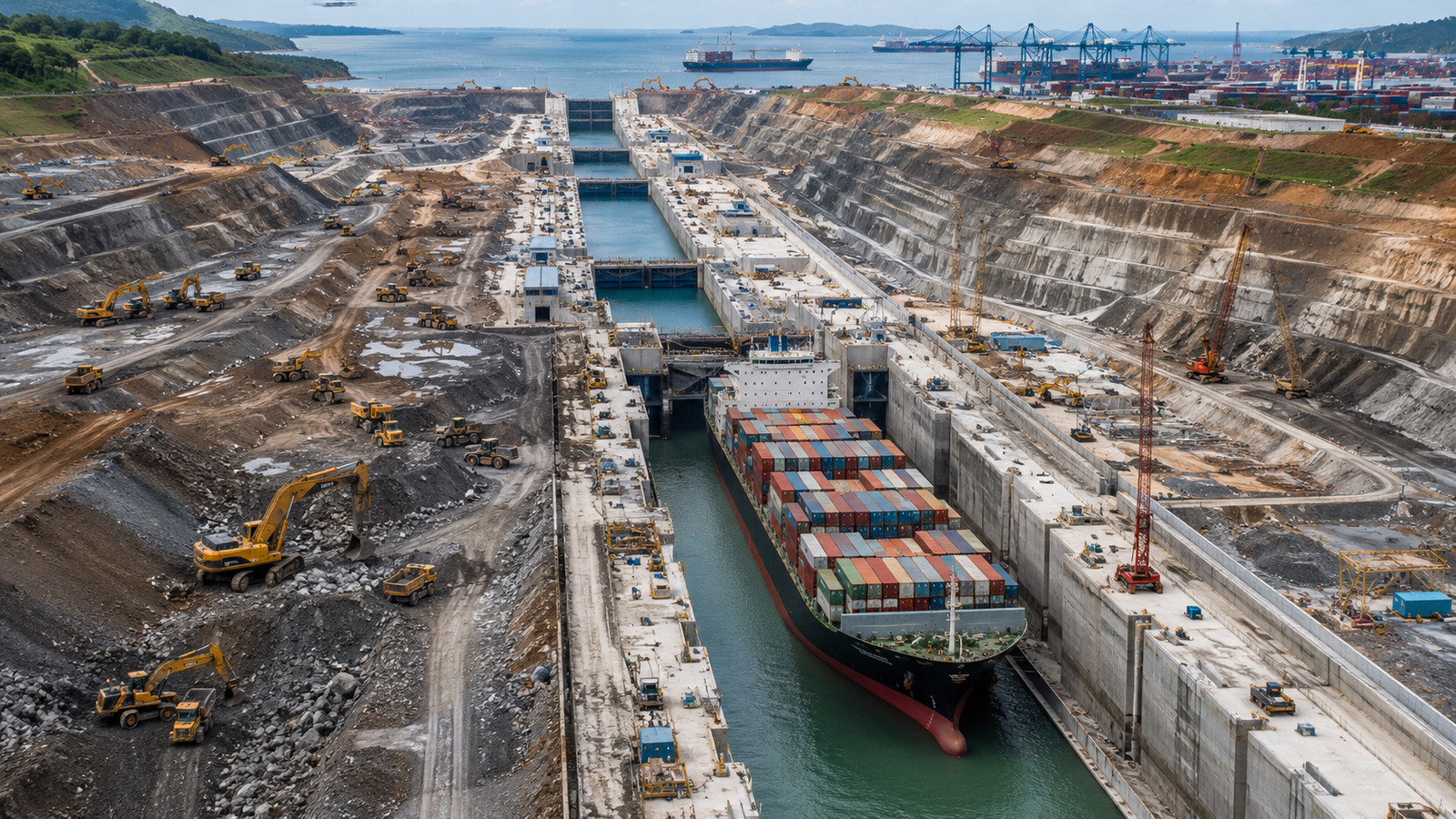
China wants to impress the world once again with a mega canal featuring giant locks, deep waters, and space for the largest ships, in a project aimed at shortening journeys, reducing queues, and rivaling the Panama Canal in global trade.

-
Brazil saved US$ 32.4 billion in 2025 by switching from fossil to renewable energy and only ranked behind China and the United States on the IRENA global podium.

-
A company from SC that moves R$ 125 billion in agribusiness is integrated into an international group, maintains its headquarters and jobs in Chapecó, and is preparing to expand software for cooperatives, grain companies, and industries while targeting new markets without leaving the western region of Santa Catarina.
-
Portugal “hides” gold reserves of 382 tons valued at 47 billion euros in an armored building, and the story involves gold from colonial Brazil, Nazi Germany, and a fortune that once amounted to 866 tons.




All states are involved in food production, but California, Iowa, Texas, Nebraska, and Minnesota represent more than a third of the total value of U.S. agricultural production.
While some sectors, such as livestock, are spread throughout the country, others are concentrated in specific regions, like lettuce grown in Arizona or poultry farming in southeastern states like Georgia and Alabama.
Immigrants represent about 73% of farmworkers in the United States today. Even before the COVID-19 outbreak, farms in the United States were facing a chronic labor shortage crisis.
The American Farm Bureau Federation estimates that, in total, U.S. agriculture needs 1.5 to 2 million hired workers each year. Farmers have struggled to fill these positions. In 2019, 56% of California farmers reported being unable to find all the workers they needed over the past five years.
The availability of jobs opens many opportunities for Brazilians seeking to immigrate to the United States. According to Leonardo Freitas, an immigration specialist and CEO of HAYMAN-WOODWARD, a global mobility consulting firm, many Brazilians are looking to agriculture in the U.S. as a way to work legally through the H-2A visa. “Agriculture is one of the top three economic sources in the United States. Currently, there are about 35,000 job openings. Besides being able to work legally in the United States, it is an opportunity for many Brazilians to support their families in Brazil,” he says.
In 2021, the U.S. House of Representatives passed the Agricultural Workforce Modernization Act. The bill modernized the H-2A visa program and established a pathway to legal status and citizenship for certain undocumented rural workers in the country. The demand for these visas has tripled in the last decade.
About HAYMAN-WOODWARD
A multinational holding company specializing in business internationalization and professional consulting, HAYMAN-WOODWARD is a company created and based in the U.S., with extensive experience in immigration. The firm has over 30 years of knowledge in multinational business and consulting, supporting individuals and companies in their challenges of building value in foreign countries.
Source: Jamile Araujo | Via mosaike.com.br