Portuguese
  Spanish


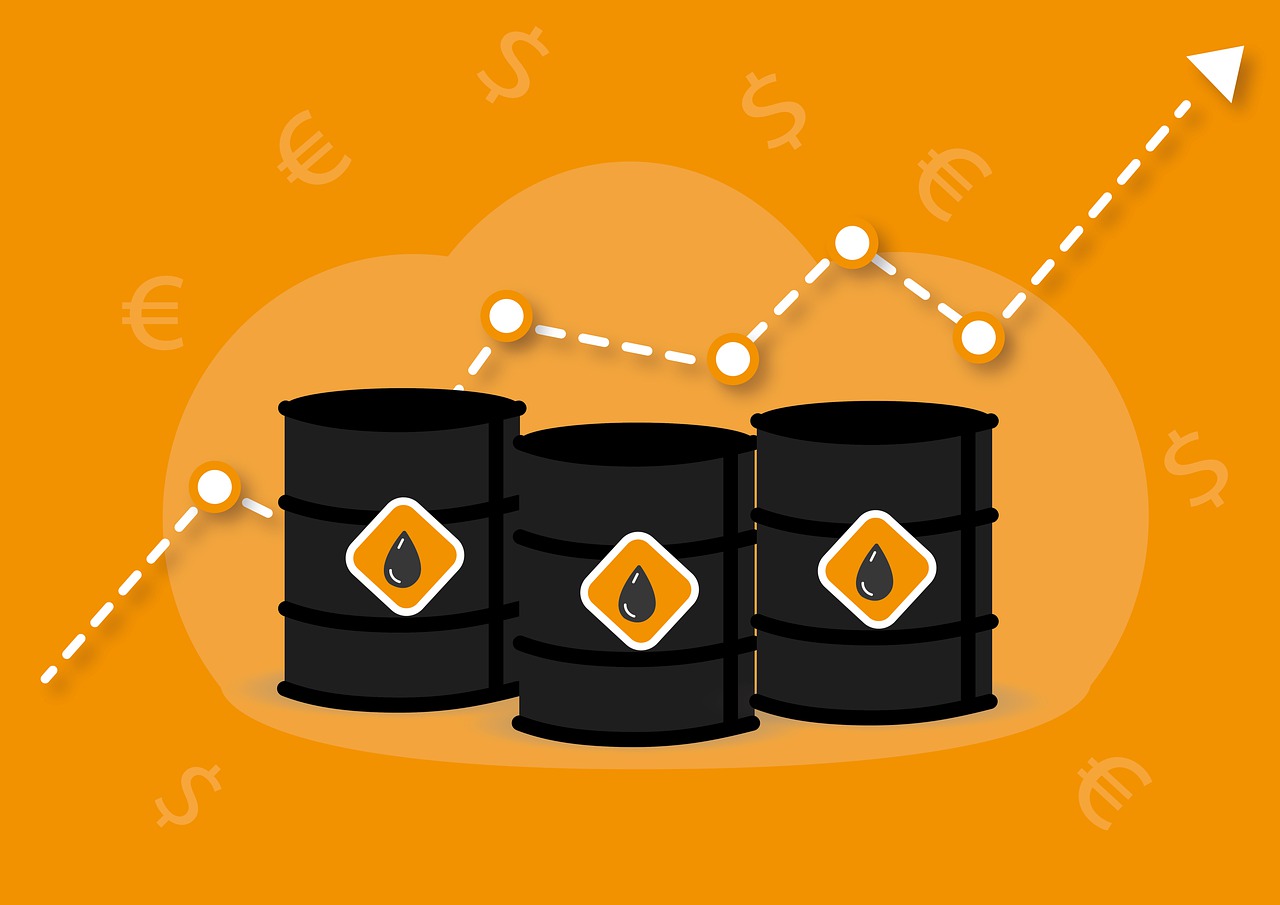

After the Announcement of the Approaching Maximum Oil Production Capacity by the United Arab Emirates, the Supply of the Commodity May Be at Risk and the Low Commercialization of the Product Will Cause a Series of Impacts on the Global Market and on the Economy of the Countries.
Executive Mohamed Al-Mazrouei, Minister of Energy of the United Arab Emirates, recently confirmed on his social media that the country is working close to its maximum oil production. And, with this announcement, experts from around the world began discussing since last Tuesday (06/28) the impacts of low commodity supply on the global market and on the economy of the countries, with projections that are not pleasant for the sector.
United Arab Emirates is Producing Oil Near Maximum Capacity and Supply of the Commodity May Decrease, Influencing the Economy and the Global Market
During last Tuesday, Mohamed Al-Mazrouei, Minister of Energy of the United Arab Emirates, commented on the oil productivity in the country and future projections for the sector and stated in a post on social media Twitter that “In light of recent media reports, I would like to clarify that the United Arab Emirates are producing close to our maximum production capacity,” responding to rumors about a crisis in the nation.
Thus, the global oil and natural gas market began to mobilize to understand the future of the sector with this statement. And, at a time of instability in the international economy due to the conflicts between Russia and Ukraine, a drop in commodity supply will not be pleasant for the global market. The main factor leading to the decline in oil supply, according to Wagner Varejão, an expert from Valor Investimentos, is the low investment in commodity production.
-
Qantas and Airbus Invest in Company Aiming to Convert Unsorted Household Trash into Jet Fuel

-
Brazil’s ANP Opens 86 New Oil Blocks in the Equatorial Margin, Expanding the Amazon River Mouth Frontier

-
OPEC+ Boosts Oil Supply by 188,000 Barrels per Day in July 2026, Leading to Price Drop from $112 to $89 per Barrel in Under Two Months

-
TotalEnergies Signs 20-Year Deal to Purchase 2 Million Tons of LNG from Alaska, Boosting Project Viability
This is because, according to the specialist, the international sustainability agenda has taken precedence over fuel and attracted investors, resulting in low investment in oil production worldwide over the last ten years.
Furthermore, the pandemic had a strong impact on the international market and on the commodity commercialization chain, and lastly, the conflicts between Russia and Ukraine worsened this scenario. Thus, after a surge in product demand with the easing of the pandemic in 2021, commodity supply has been unable to keep pace and is now at risk in the Middle Eastern country.
Learn About the Main Impacts of Low Oil Supply on the Economy and the Global Market in the Current Climate of Instability in the Oil and Gas Sector
According to projections by specialist Wagner Varejão regarding the United Arab Emirates’ announcement about oil production in the country, one of the main problems that may occur in the global market is a supply crisis of the commodity. However, oil reserves are still sufficient to sustain this moment of instability and the specialist says that this is not the biggest problem in the short term currently.
For Wagner, one of the main problems already occurring in the economies of the countries is an inflationary pressure caused by the low supply of the product, especially in places dependent on the United Arab Emirates, such as the United States. Thus, the trend is for commodity prices to increase significantly and exponentially over the coming months, causing a deficit in the internal supply of nations, which will have to seek alternatives to the fuel.
And, to prevent a crisis regarding the commodity from occurring in the coming semesters, the Organization of the Petroleum Exporting Countries and allies (OPEC+) will need to take preventive measures in the coming weeks, aiming to attract new investments for oil production and exploration worldwide.