Portuguese
  Spanish


Technological transformation of deep-sea operations boosts productivity, enhances safety, and redefines logistical and environmental strategies
The oil and gas sector is undergoing a decisive phase of operational modernization. Offshore platforms are receiving billion-dollar investments, driven by the pursuit of energy efficiency and cost reduction in challenging environments. This movement, consolidated throughout 2025 and projected for 2026, strengthens the global competitiveness of operators and redefines industry standards.
The increase in investments accompanies a broader scenario of innovation in different economic sectors. Renault, for example, is intensifying investments in electric and hybrid vehicles, showing how technology has become a central element of contemporary economic resilience. This parallel highlights the relevance of digital transformation in the offshore environment as well.
Digitalization and automation increase productivity on platforms
The modernization of exploration and production units prioritizes process digitalization and operational automation. Smart drilling technologies are gaining ground and, according to projections for 2025 and 2026, can increase productivity by up to 25%. The intensive use of real-time data allows for faster and more assertive decisions, reducing operational risks.
-
OPEC+ Boosts Oil Supply by 188,000 Barrels per Day in July 2026, Leading to Price Drop from $112 to $89 per Barrel in Under Two Months

-
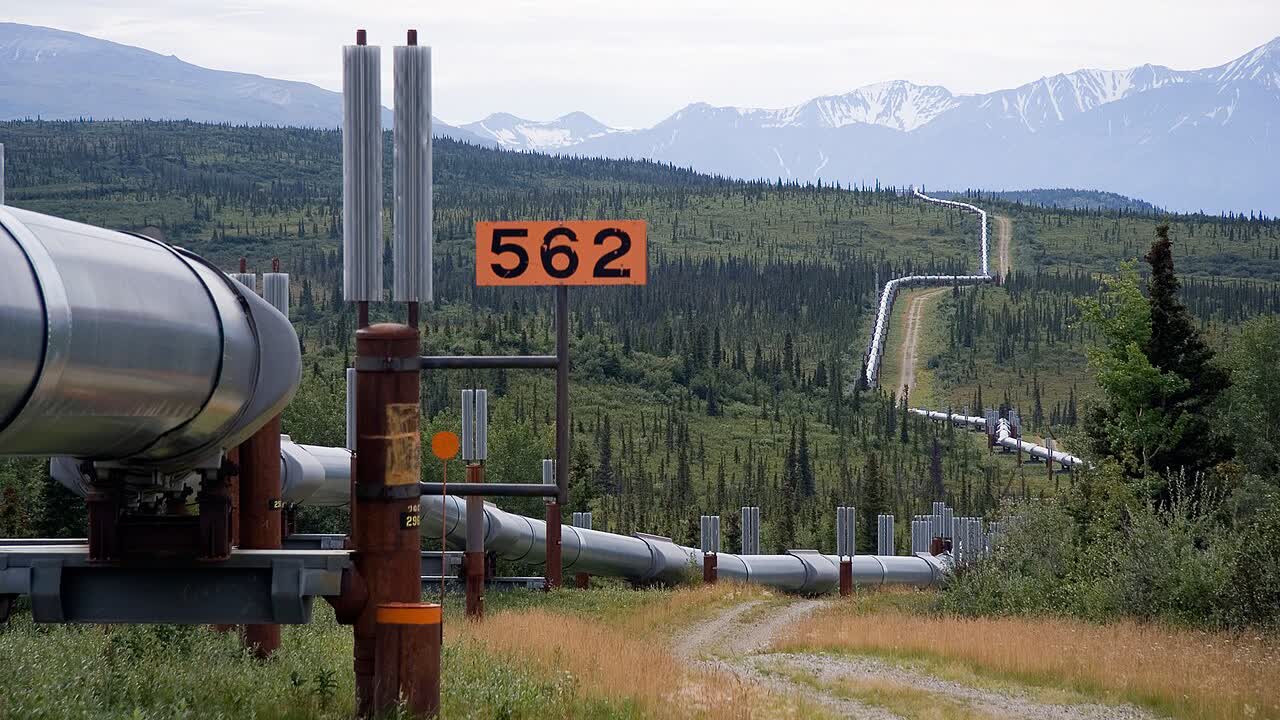
TotalEnergies Signs 20-Year Deal to Purchase 2 Million Tons of LNG from Alaska, Boosting Project Viability
-
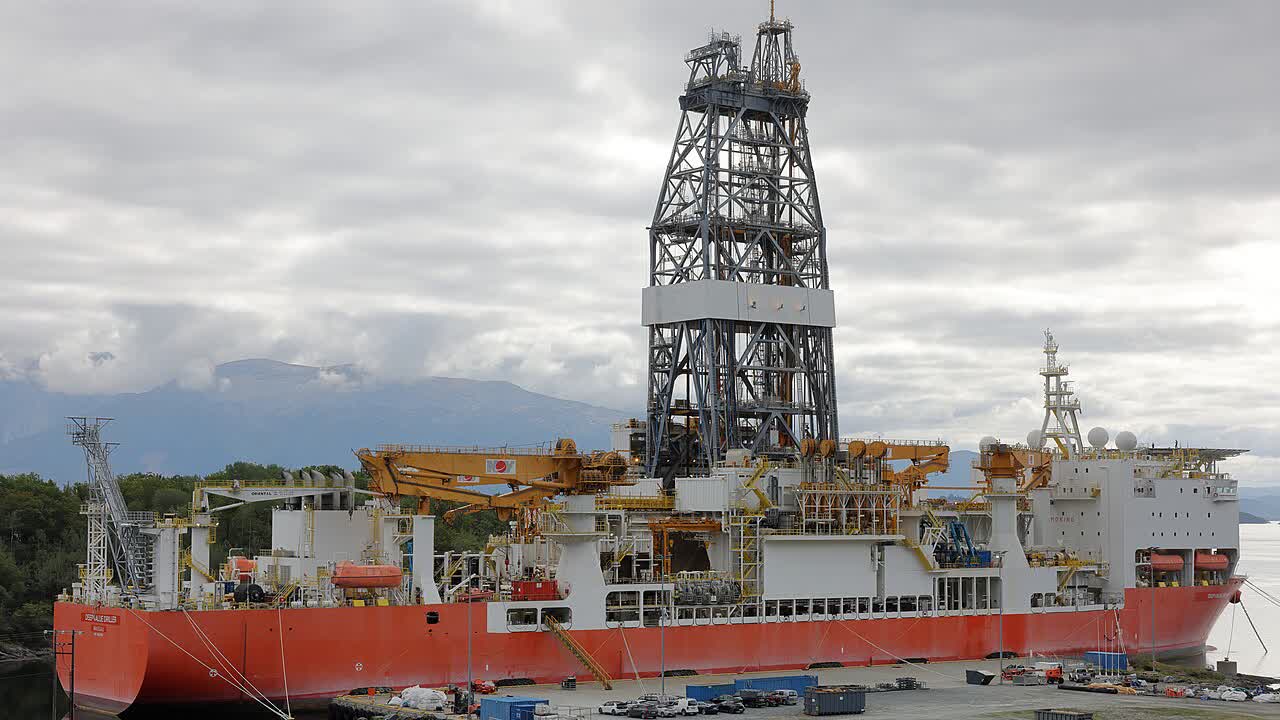
Turkey Deploys Çağrı Bey Drilling Ship to Explore New Oil Frontier Off Somalia’s Coast
-
Golden Pass LNG Ships First Liquefied Gas Cargo from the U.S., Completing $10 Billion QatarEnergy and ExxonMobil Investment

The application of these solutions reduces failures in critical equipment and increases operational efficiency. Platforms can operate for longer periods, with a lower incidence of unscheduled downtime. This operational gain improves the return on investment and strengthens the financial sustainability of offshore operations.
Sustainability and resource management become strategic
Natural resource management plays a central role in the evolution of offshore platforms. The adoption of solutions with a lower environmental impact is prioritized, aligning maritime operations with global sustainability requirements. This movement brings the sector closer to practices observed in other infrastructure segments.
The Middle East accounts for about half of the world’s desalination and is investing billions in solar energy to address the water crisis. These initiatives highlight the importance of efficient water treatment and waste management systems, concepts that also apply directly to the offshore environment and influence new operational strategies.
Operational safety advances with monitoring technologies
The safety of offshore operations is established as one of the pillars of modernization. External environments require robust and highly reliable surveillance systems. The implementation of specialized equipment becomes essential to ensure continuous control of activities.
Bullet cameras certified for hazardous areas represent one of the main advances in this scenario. These devices offer long-range, high-definition monitoring, allowing for the immediate identification of operational anomalies. Adverse conditions, such as fog or low visibility, no longer compromise surveillance.
Control extends to critical areas, including the deck, helipads, and fluid processing zones. This level of monitoring enhances team safety and preserves the integrity of industrial assets.

Regulation and logistics shape the sector’s performance
The modernization of offshore platforms involves challenges that go beyond technology. Administrative and tax management plays a strategic role in the economic viability of operations. Understanding offshore taxation ensures regulatory compliance and sustains international competitiveness.
Onshore infrastructure also directly influences the sector’s performance. Logistics projects expand the support capacity for maritime operations and facilitate the flow of resources. The Guaratuba Bridge, in Paraná, scheduled for inauguration by March, exemplifies this progress by strengthening regional connectivity.
Integration of technology, security, and logistics defines the offshore future
The performance of offshore operations in 2026 will depend on the integration of cutting-edge technology, electronic security, and efficient logistics. This set of factors consolidates a structural transformation in the oil and gas sector, raising operational standards and expanding productive capacity.
The continuous evolution of offshore platforms reinforces the importance of innovation as a strategic axis. The outlook indicates a more efficient, safer sector aligned with global demands. To what extent will this technological transformation continue to redefine the limits of deep-sea exploration in the coming years?