






 Portuguese
  Spanish


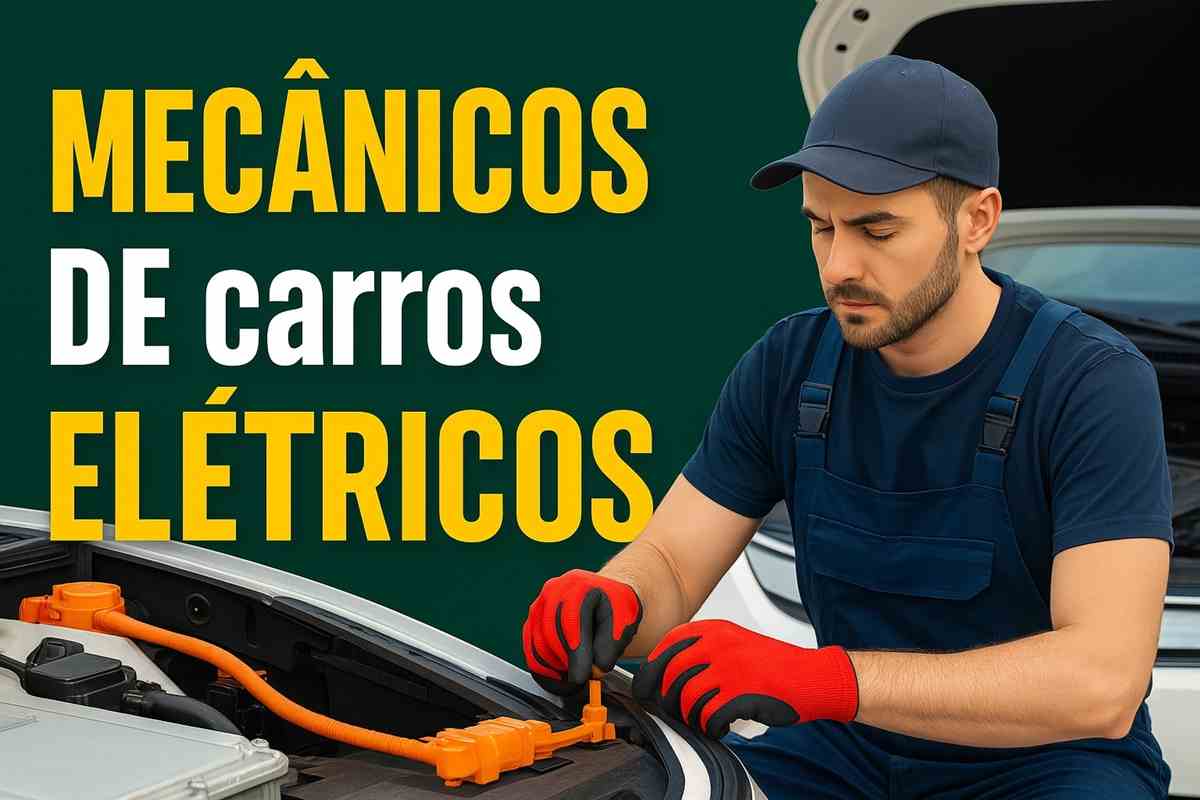
For Decades, the Noise of Engines and the Smell of Diesel Symbolized the Routine of Mechanical Workshops. Now, a Silent Revolution Transforms the Sector: Electric Vehicles Require New Skills, Modern Equipment, and a Change of Mindset Among Professionals in the Area.
For decades, the smell of diesel oil and the roar of combustion engines were trademarks of mechanical workshops.
This environment, steeped in grease, noise, and tradition, shaped generations of mechanics. But this landscape is changing.
Silently, yet steadily, the automotive sector is undergoing a profound transformation with the arrival of electric vehicles.
-
Volkswagen to Cut Production by 1 Million Cars by 2030, Reducing Jobs and Platforms, Focusing on More Profitable Models

-
Toyota Launches First 100% Electric Car in Brazil: bZ4X with 343 HP, All-Wheel Drive, 361 km Range, Priced at $419,990 BRL, Limited to 99 Units

-
Chinese SUV Achieves 24.4 km/l, Outperforms Toyota Yaris Cross in Real-World Tests with 224 hp Hybrid System, Offers 51-Liter Tank for Greater Range, and Costs Up to R$ 5,000 Less.
-
Uber Black Revamps Fleet, Drops Ten Car Models and Sets Deadline for Electric BYD Dolphin


This technological shift demands a new profile of worker.
Experienced mechanics and young apprentices face the same challenge: adapting their knowledge to more complex, silent, and electrified systems.
The transition involves not only understanding new engines but also learning about high voltage, electrical safety protocols, and battery recycling. The impact is technical, cultural, and environmental.
New Generation Forms with a Focus on Electrification
The example of Rubén Cintora, a mechanic in Spain, illustrates this new path. For years, he worked exclusively with diesel engines.
One day, he decided to buy an electric car out of curiosity. Not long after, he specialized in electrical systems and became an instructor.
Today, his workshop houses batteries, inverters, and specific tools. The smell of oil has given way to the discreet sound of power electronics. “When I disassembled an electric motor for the first time, I realized there was no going back,” he reports.
This reality is not far from Brazil. The country has already begun to train professionals capable of handling electric vehicles.
And the movement is gaining strength as the fleet of electric and hybrid vehicles grows in national soil.
Large institutions, such as SENAI-SP, offer courses focused on the operation of electric propulsion systems, safety protocols, and advanced maintenance.
There are also distance training programs, such as those offered by SEST SENA, aimed at basic driving and maintenance.
Training is the Key to Keeping the Market Healthy
This new demand presents a real opportunity for Brazilian workers.
Traditional mechanics, based on burning fuel, no longer meets the demands of the future.
Without specific training, many professionals risk being left behind. On the other hand, those seeking training can carve out a promising space.
Courses aimed at electromobility open doors for roles in maintenance, installation of chargers, automotive electronics, and even in the environmental field, focusing on battery management and recycling.
Beyond the technical aspect, this training is a way to strengthen the Brazilian productive sector.
With more prepared professionals, the country can reduce its dependence on specialized labor from abroad.
This helps to boost the internal market, stimulates job creation, and contributes to the consolidation of an economy aligned with global sustainability and decarbonization goals.
Challenges Continue, but the Movement is Irreversible
Despite the progress, the transition still faces obstacles in Brazil.
Many workshops lack the proper infrastructure to deal with new models.
Specific equipment, isolated tools, and dedicated spaces for high-voltage batteries require investments that not everyone can make immediately.
Furthermore, the availability of technical courses does not yet cover all regions of the country equally.
Even so, the signs of change are clear.
The market has already begun to adapt, and consumers are too.
The expectation is that, with the expansion of course offerings and incentives for the sector, the number of specialized professionals will grow rapidly. Those who are ready will have a competitive advantage.
And the workshops that know how to modernize will be part of a future where silence, efficiency, and sustainability will be the new symbols of Brazilian mechanics.


Be the first to react!