






 Portuguese
  Spanish


Ecological entities invoke global treaties against NASA to expose the hidden risks of disposing of the International Space Station in the Pacific Ocean.
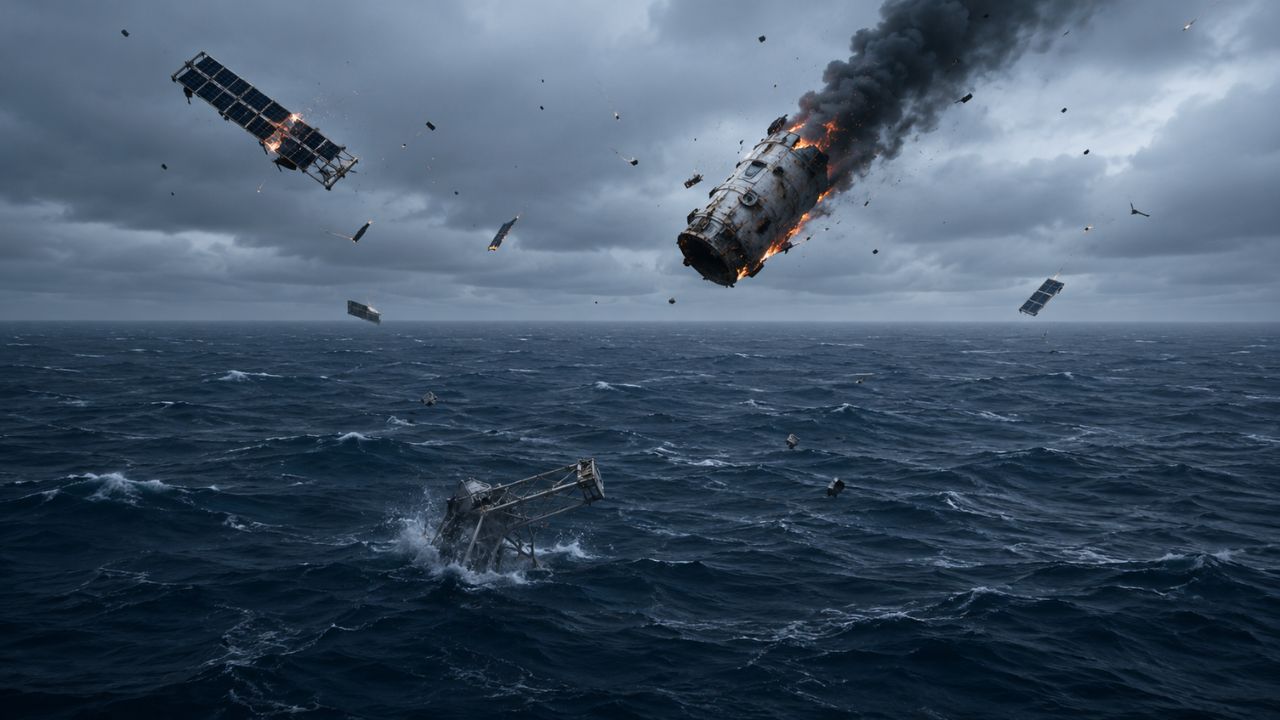
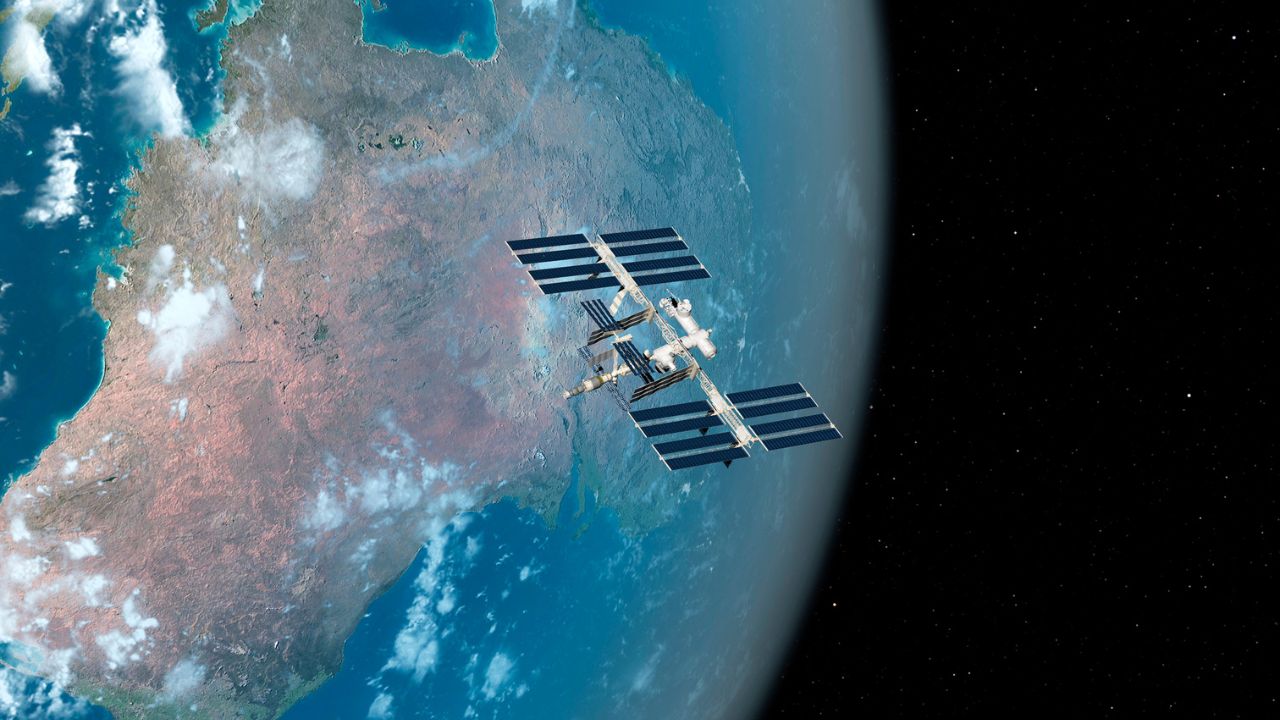
Last Thursday, June 25, 2026, in a Space publication, marine conservation experts and a U.S. oversight body publicly began to contest NASA’s strategy to dispose of the International Space Station (ISS) debris in the Pacific Ocean at the end of this decade.
The space agency’s plan aims to reduce the risk of accidents in inhabited areas by guiding the controlled reentry of the structure into Earth’s atmosphere.
However, environmentalists led by the Ocean Foundation harshly criticize the measure, pointing out that the lack of conclusive studies on the ecological impacts on the marine environment and gaps in international legislation require an immediate review of the operation.
-
14-Year-Old Invents Eco-Friendly Water Pump Using Recycled Materials to Aid Communities Without Water Access

-
Pigeons Trained to Detect Cancerous Changes in Medical Images Astonish Scientific Community

-
Plastic Waste from Beaches and Poor Communities in Kenya Transformed into School Desks, Replacing Wood in Classrooms and Turning Marine Litter into Durable Study Tables

-
Your Old Gmail Address Might Be Obsolete Soon: Google Introduces Feature Changing Account Usage.


Where would the debris fall?
To ensure the safety of human populations, the logistical planning foresees directing the station’s remaining debris to Point Nemo, a coordinate in the South Pacific known for being the most isolated geographical point on the globe.
However, the choice of location exposed a serious global regulatory deficiency, according to marine conservation entities.
The failures in international high-seas conventions were detailed by Mark Spalding, president of the Ocean Foundation, in an interview with Space.com:
- Territorial gap: Current regulations only require compensation if space debris reaches the land borders of a country.
- Legal helplessness: There are no equivalent punishments or obligations for reparations when impacts occur in neutral international waters.
“The distance of the ocean from human infrastructure should not be confused with an absence of value or vulnerability. The ocean and its inhabitants deserve the same protection that international law offers to national territories,” warned Mark Spalding.
The descent schedule and SpaceX’s involvement
Despite the protests, the deactivation plan follows strict timelines monitored in a report by the Government Accountability Office (GAO), a United States oversight body.
The schedule outlines how the transition to future private bases in low orbit will occur at the turn of the decade, following coordinated technical steps:
- Years 2028 and 2029: Start of the orbital complex’s altitude loss, aided by the natural resistance of the atmospheric layers;
- Russian deceleration: Operation of the Russian segment attached to the ISS to perform space braking maneuvers;
- Guided reentry: Docking of a United States Deorbit Vehicle, designed by SpaceX for NASA, responsible for piloting the final descent.
The BBNJ Agreement and environmental demands against NASA
Amid uncertainties about the ecological consequences, conservation experts advocate that the disposal piloted by NASA should be scrutinized under the BBNJ Agreement.
This international treaty was specifically created to establish rules for the protection of biodiversity in areas beyond national jurisdictions and borders.
To ensure the deactivation of the ISS does not result in an ecological disaster on the high seas, environmental organizations demand the immediate implementation of three integrated measures:
- Complete assessment: Conduct a thorough environmental impact audit focused on marine life;
- Public transparency: Detailed disclosure of the list of materials and components that will resist fire and reach the seabed;
- Legality analysis: Preparation of a legal opinion to verify if the operation complies with the obligations of ocean preservation agreements.
Source: Olhar Digital


