





 Portuguese
  English
  Spanish
  3 min of reading
  0 comments


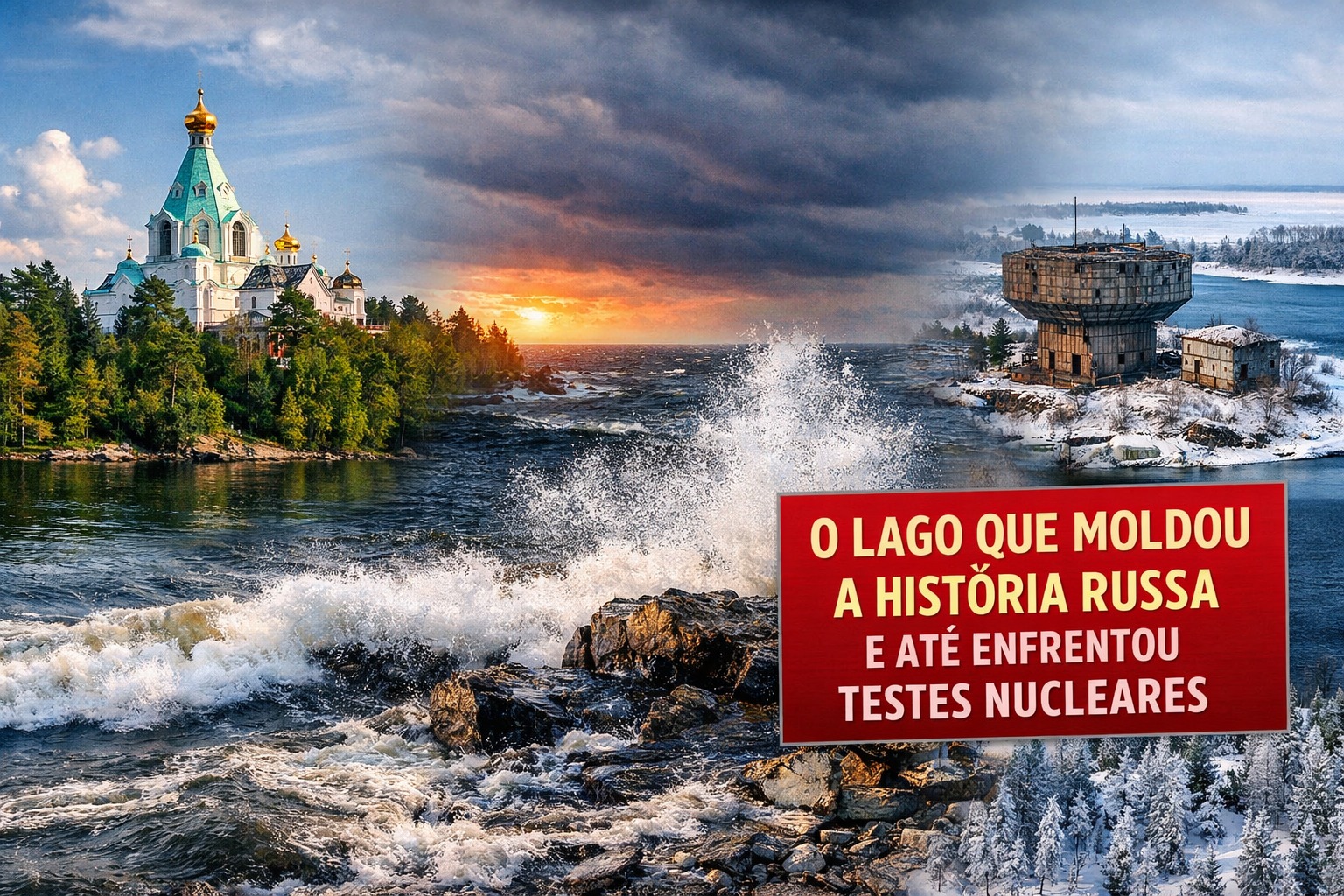
With Almost 18,000 Square Kilometers, Depth Comparable to Seas, Decisive Role in the Origin of Russia and Lasting Environmental Influence, Lake Ladoga Brings Together Continental Dimensions, Rare Biodiversity, and Unique Historical Importance in Northern Europe
Almost everyone knows the splendors of Lake Baikal, but Lake Ladoga stands out for concentrating extreme nature, decisive historical events, and lasting human impacts, maintaining environmental, cultural, and symbolic relevance for contemporary Russia.
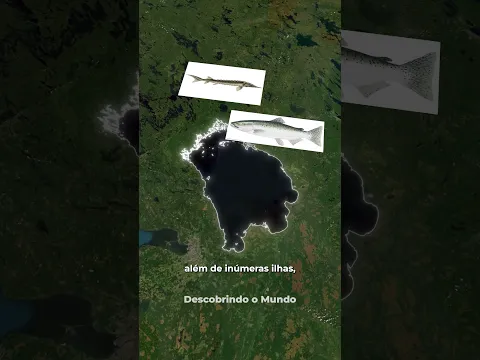
Located in the northwest of Russia, near Saint Petersburg and the border with Finland, Ladoga covers almost 18,000 square kilometers, making it the largest freshwater lake in Europe.
Formed over 40,000 years ago after the fall of a huge meteorite, according to the portal Gw2ruo, the lake consolidated itself as a central element of the natural landscape and human history in northern Russia.
-
Son of farmers left the fields at 14 and transformed Zenir, born from a 60 m² mattress store in Iguatu, into a R$ 800 million network with 61 stores in Ceará and plans to reach 100 by 2032.

-
The richest man on the planet lives in 37 m², Elon Musk, now the first trillionaire in history according to Reuters, swapped mansions for a prefabricated house worth about 50 thousand dollars set up within the SpaceX base in Texas.

-
About 20 years ago, Mr. Alvarino bought 15 hectares of rock and brush for R$ 45,000 in Santa Bárbara just to let the cattle roam; today his children, who are onion producers, manage eight chalets on the same land at the foot of Morro da Tartaruga.
-
Man uses metal detector and finds around 15,000 Roman coins: treasure hidden for almost 2,000 years in clay pots surprises archaeologists in Wales



A Rare Ecosystem on a Continental Scale
Ladoga is home to 538 types of plants and 44 species of mammals, including species listed in the Red Book of Russia, the official register of threatened animals.
Among its peculiarities is the presence of seals, a rare occurrence in freshwater environments, observed only there, in Baikal, and in Saimaa, Finland.
The resemblance to the sea is not just visual. Its maximum depth reaches 233 meters, comparable to the average of 180 meters of the Baltic Sea.
Frequent storms generate waves of up to six meters, making navigation risky and reinforcing the perception that the lake behaves like a marine environment.
A Key Point in Russian Formation
35 rivers flow into Ladoga, but only one originates from it: the Neva River, which runs through Saint Petersburg and flows into the Baltic Sea.
Along its shores, in the 9th century, Prince Rurik ruled, marking the beginning of the political formation of ancient Russia.
During World War II, the lake was vital for the survival of Leningrad, besieged by enemy forces.
In winter, the so-called Road of Life crossed the frozen lake, bringing essential supplies and reinforcements to the isolated population.
Human Impacts and Partial Recovery
In the 1950s, Soviet military conducted nuclear weapons tests near Heinäsenmaa Island, leaving some islands identified as radioactive to this day.
Ecologists claim that water quality has improved since the 1970s, despite the heavy historical burden of industrial and military pollution.
Currently, however, the situation has begun to deteriorate again. Hundreds of industrial and agricultural companies discharge waste, many lacking adequate cleaning systems.
As a result, the water of Ladoga is classified as moderately polluted, a result of ongoing human activity and limited ecological oversight, they warn.
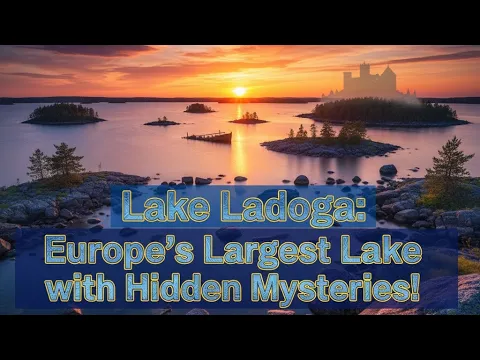
Since the 12th century, the lake has been home to the Valaam Monastery, one of the most important religious centers in the country.
The uniqueness of Ladoga is so great that its name was adopted for a methane lake on Titan, called Ladoga Lacus.
With information from Gw2ru.


Be the first to react!