Portuguese
  Spanish


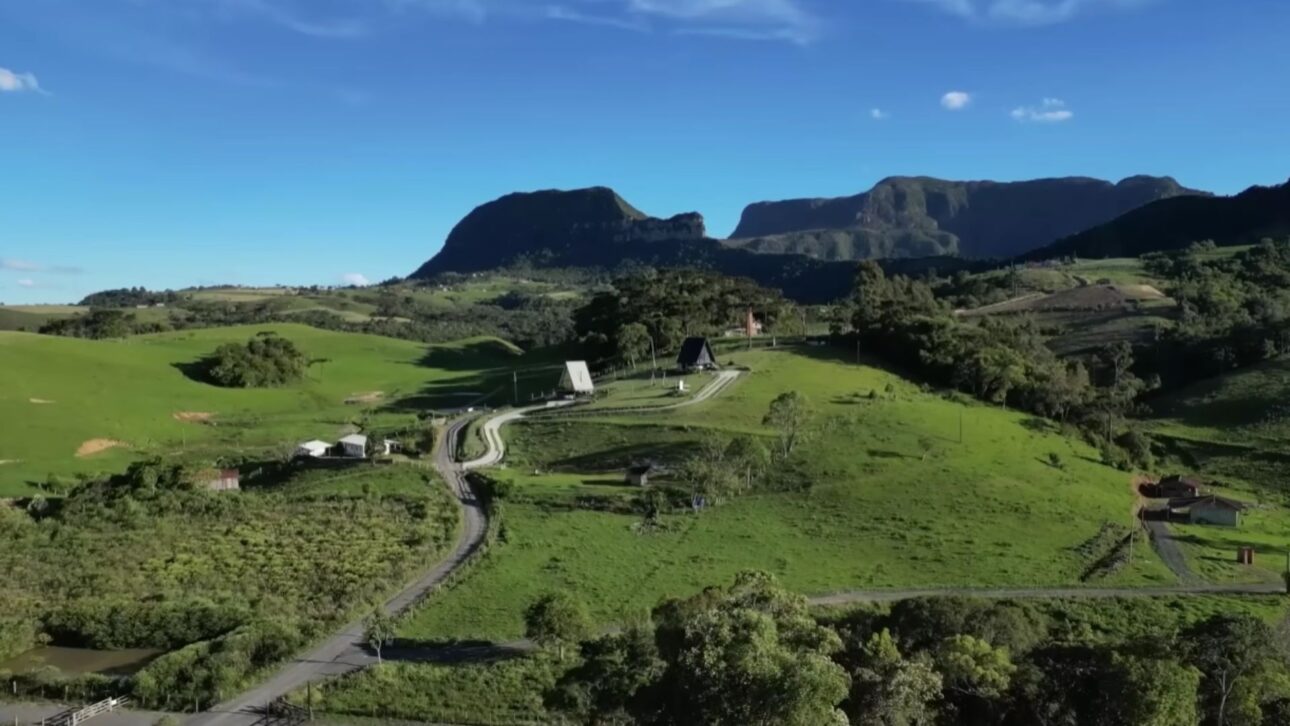
In the locality of Santa Bárbara, in Alfredo Wagner, Mr. Alvarino bought about 20 years ago 15 hectares of rock and bush for R$ 45,000, just to release the cattle. Today, his children, onion producers, manage eight chalets on the same land, riding the tourism boom in the Serra Catarinense.
About 20 years ago, Mr. Alvarino bought 15 hectares of rock and bush in Santa Bárbara for R$ 45,000, with a simple plan in mind, to release the cattle. At that time, that rocky land was worth almost nothing. Today, it has become a small treasure at the foot of Morro da Tartaruga.
According to the Vale Agrícola program, life in Santa Bárbara, in the municipality of Alfredo Wagner, in Santa Catarina, has changed in the last five years, when tourism discovered the region. Mr. Alvarino’s sons, Fabiano and Salesiano, who always produced onions, are now owners of eight chalets on the same land bought by their father. What was farmland also became a tourist destination.
From rock and bush to a small treasure
Mr. Alvarino had money saved to buy equipment that would help on the farm, but he decided to invest in land.
-
Award-Winning Korean Electric Scooter Concept Folds to Briefcase Size, Eases Transport Challenges

-
YouTuber Discovers Surreal Collection in 400-Year-Old Italian Fortress Near Florence: 419 Anvils, Giant Walruses, Ancient Church, and WWII Tunnels

-
Creative Uses for Toilet Paper Rolls That Will Change Your Perspective
-
Crab Trapped in Plastic Bottle for 62 Days Near Okinawa Highlights Little-Known Impact of Marine Pollution on Small Animals


He paid R$ 45,000 for 15 hectares of rock and bush, in which no one saw value, just thinking of releasing the cattle.
Time proved he was right. With a lot of care and dedication, that land appreciated in an impressive way.
Three or four years ago, the family sold just a small lot and it was enough to buy a tractor, keeping the rest of the land. What was worth nothing became a heritage.
How tourism transformed Santa Bárbara
According to João, from the Residents’ Association, it was during that period that many families started looking for land in the countryside.
What used to be three or four people renting cabins turned into a hub with about 75 to 80 cabins spread throughout the region, now almost the main activity in Santa Bárbara.
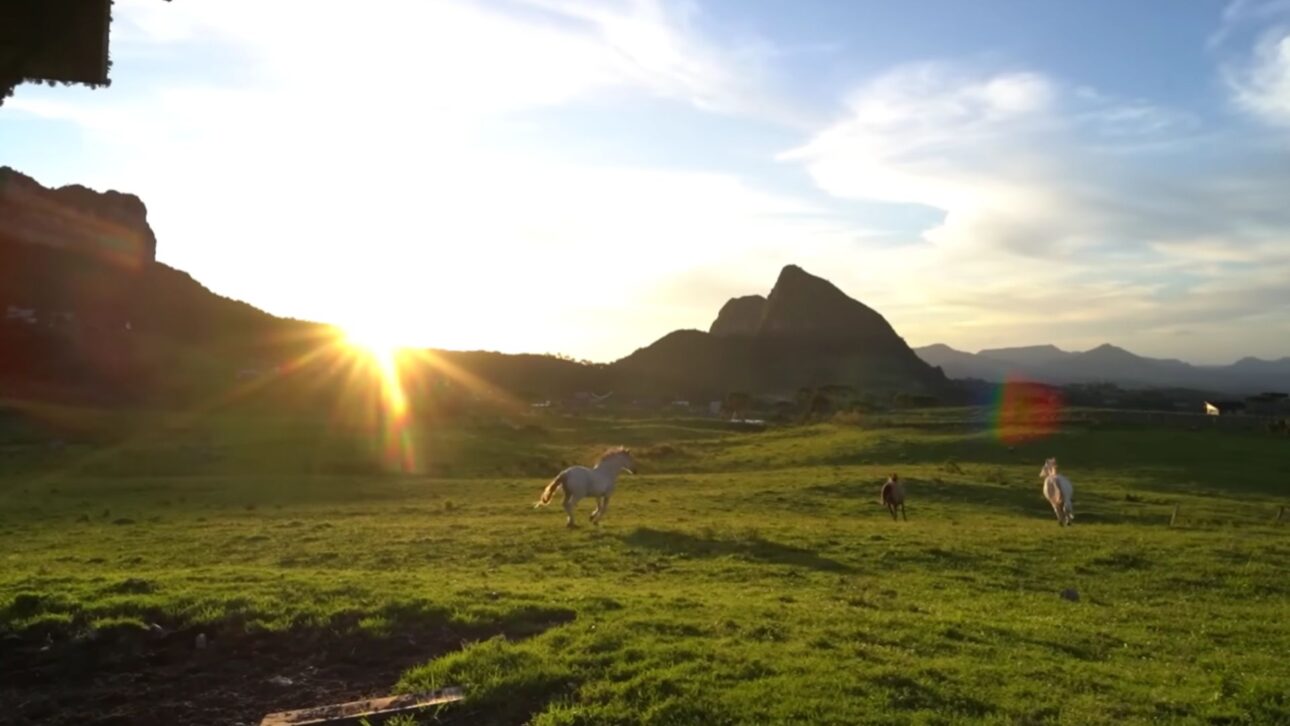
And the scenery explains much of the success. Alfredo Wagner is located in the Serra Catarinense, part of the Serra Geral, with rock formations like Morro da Tartaruga and an altitude of almost a thousand meters.
The tourist who goes up there seeks what is called contemplative tourism, with breathtaking sunrises and sunsets.
From chalets to strawberries and 150 roses
The offer for the visitor is varied.
The eight chalets of Seu Alvarino’s family are sold as experiences, many sought after for birthdays, weddings, and marriage proposals, while other guests want more nature and trails.
There is also the Cliff House, built by João, who knew the region since childhood.
But it doesn’t stop there. A family invested in Pick and Pay strawberries and jumped from 3,000 plants in 2019 to 7,000, changing their lives, according to them.
There is also a garden with more than 150 types of roses, the Magnolia Garden Center, which thrives there thanks to the altitude and climate of the region.
Tourism and farming, side by side
The case of Santa Bárbara became an example. The community shows that tourism can drive local development without abandoning traditions and rural life.
The children of Seu Alvarino, for example, continue with onions and still host guests, combining one income with another.
The idea is to grow with order. The residents’ association wants to expand the neighborhood in an organized and safe way, keeping the focus on tourism.
For those who experienced the transformation, according to reports, the greatest reward is seeing the place prosper and still surprise those who arrive, often with a comfort they didn’t even have at home before.
The story of Seu Alvarino sums up well what happened in Santa Bárbara.
A land of stone and bush, bought almost as a joke for cattle, became the base of one of the most sought-after destinations in the Serra Catarinense.
All this without the farm ceasing to exist.
And you, would you trade the big city for a little piece of land in a place like this? Do you think rural tourism is a good path for the small farmer? Tell us in the comments, with respect for different opinions and experiences, and share this article with that friend who dreams of having a house in the countryside.