






 Portuguese
  Spanish


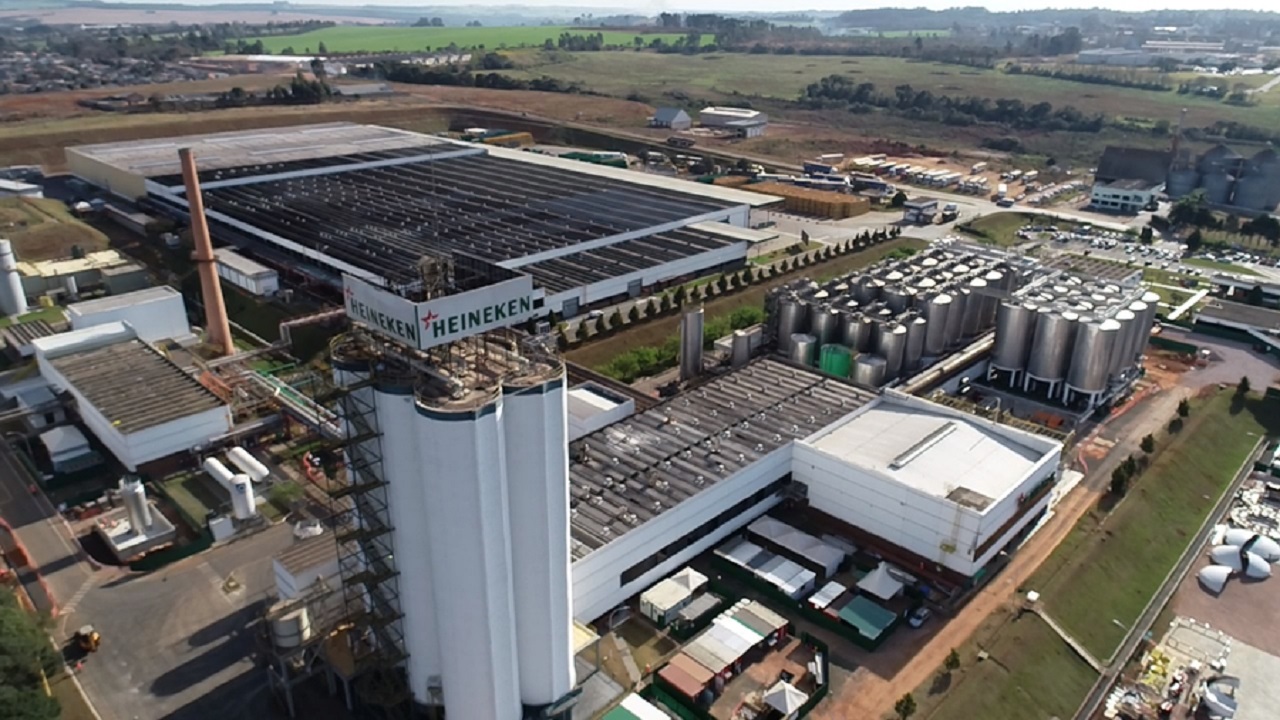

Heineken And Omega Energia Seal Partnership For Renewable Energy Supply Aiming To Power Breweries And Distribution Centers In The Northeast Region, Preventing The Emission Of 270 Thousand Tons Of CO2
Omega Energia has partnered with the Heineken Group for the installation of renewable energy generation assets in the Northeast, with the mission of providing sufficient energy to meet 100% of the consumption of nine distribution centers and 13 breweries in Brazil. The partnership was announced by Omega, which secured the agreement through Omega Desenvolvimento, on Wednesday (01).
Read Also
Omega Energia And Heineken Reduce 270 Thousand Tons Of Carbon Emissions
According to Omega Energia, the operation of renewable energy in the Northeast will result in a reduction of 270 thousand tons of pollutant gas emissions into the atmosphere.
Additionally, the contract between Heineken and Omega Energia provides for the supply of renewable energy for a period of ten years. According to Fabiana Polido, commercial director of Omega Energia, the contract with Heineken for the Northeast demonstrates that the company is always ready to create innovative and customized renewable energy solutions for its clients and contribute to building a society with clean, sustainable, and competitive energy.
-
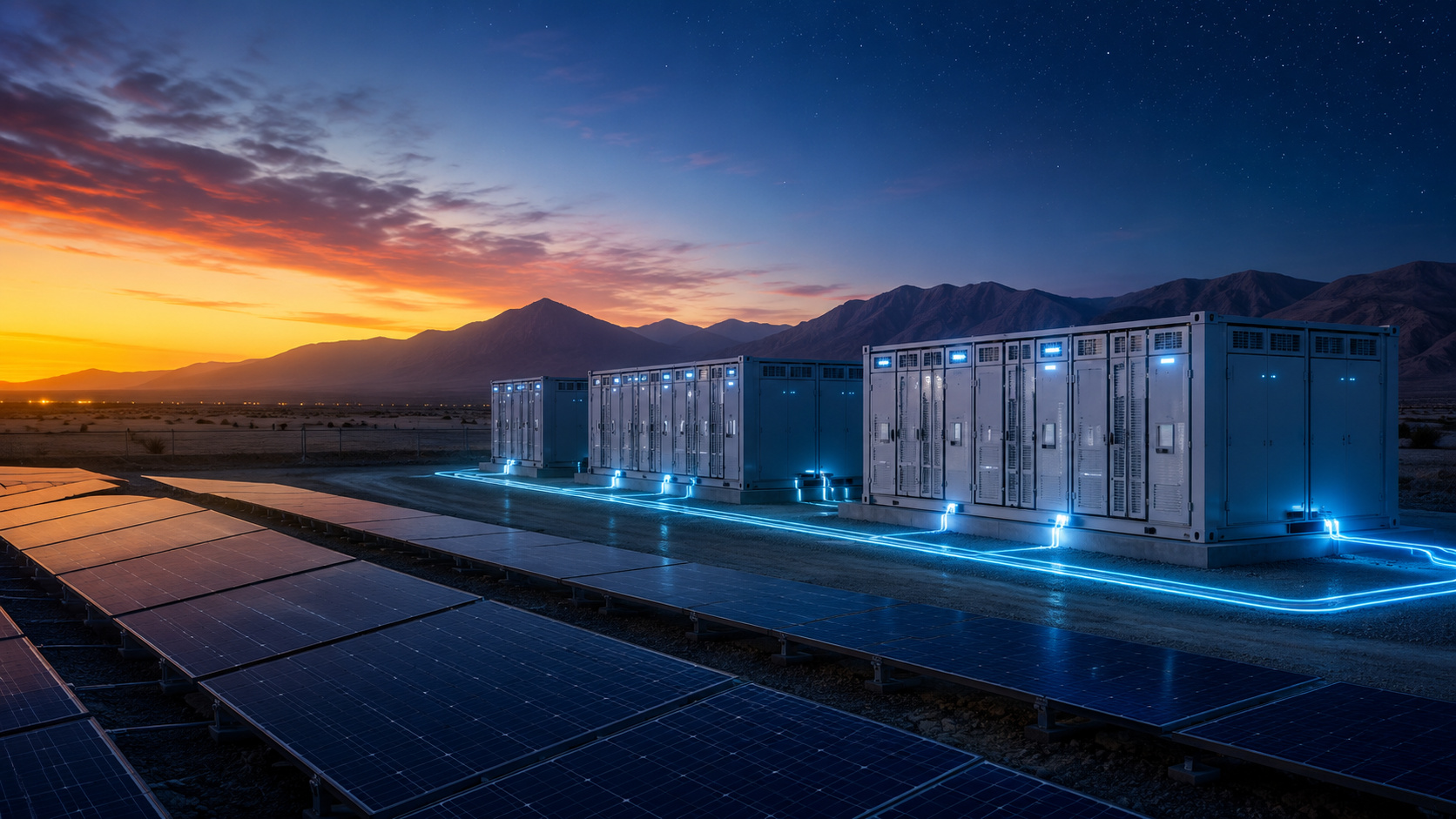
Giant Batteries Take Center Stage in Chile Auction as Company Offers 960 GWh of Solar Energy for Nighttime Use, Aiming to Stabilize Solar Power Supply

-
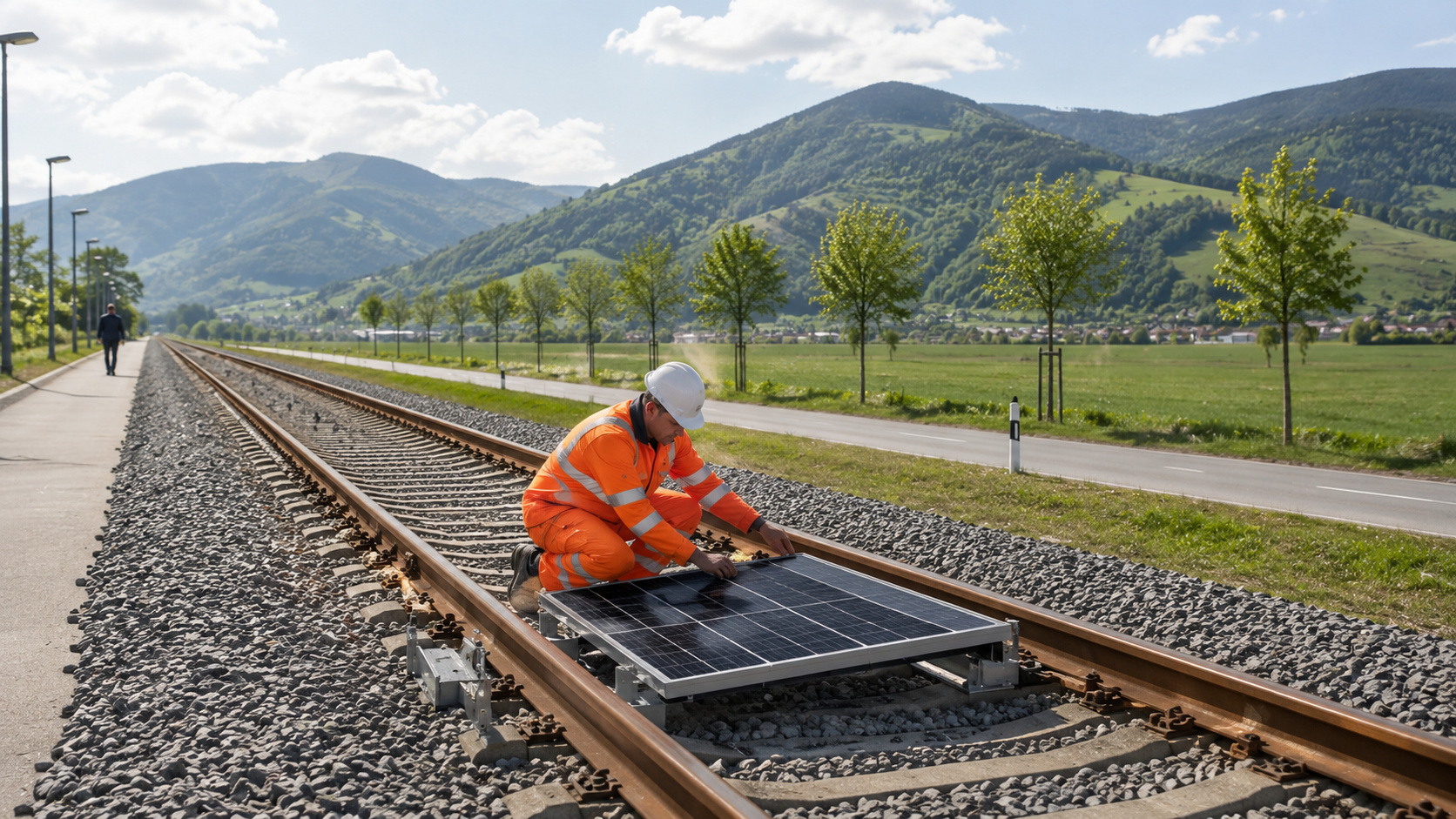
After a Year of Success in Switzerland, Solar Railway Attracts Italy’s Interest for Clean Energy Transformation
-
Robots Clean Solar Panels in Desert Power Plants Without Water, Preventing Energy Losses
-
Brazil’s Offshore Wind Energy Potential Worth $1 Trillion Stalled by Long-Delayed Agreement



Heineken Aims To Be Green, Just Like Its Bottles
Following the same sustainable path, Heineken is committed to eliminating emissions from its production in the country by 2023, seven years ahead of the company’s global target, and also intends to neutralize its carbon footprint across the entire value chain by 2040.
According to Ornella Vilardo, the brewery’s sustainability manager, Heineken recognizes its active role in this challenge to foster and promote positive socio-environmental impacts in Brazil. According to the manager, the renewable energy contract in the Northeast with Omega Energia represents a milestone for the use of energy from 100% clean sources in the company’s production units.
Heineken’s path to neutrality began in 2018, and currently, six of the company’s 12 breweries in Brazil already use biomass in their boilers instead of natural gas. Ornella states that one of the major challenges is achieving logistical neutrality.
To this end, Heineken plans to bring renewable energy to all 31 distribution centers by 2023 and, two years later, use only electric forklifts. Additionally, in July of this year, it began a pilot test with electric trucks in Salvador and São Paulo, important locations for the group.
Get To Know The Companies Involved In The Project
Heineken was founded more than 140 years ago and currently sells more than 25 million products every day, spread across almost 200 countries around the world, without ever losing the quality and purity of its beers.
The brand emerged in 1873 and has since built a great name among the best breweries in the world. Meanwhile, Omega Energia, much younger, emerged in 2008 and has become a reference in renewable energy generation. Currently, the company is one of the largest holders of renewable assets in Brazil and is present in seven Brazilian states with 1,869 MW of contracted capacity.







