Portuguese
  Spanish


Change in Brazilian consumer taste reshaped the new car market, reduced the space for sedans in dealerships, and consolidated SUVs as the main choice for families, with direct impact on automakers’ strategy and the profile of models sold in the country.
Sedans lost market share in the Brazilian new car market over a decade, while SUVs increased their presence in dealerships and began to concentrate most sales among light vehicles.
Data attributed to the National Federation of Automotive Vehicle Distribution shows that three-volume models accounted for 29% of sales in 2015, but fell to 12% in 2025, a significant decline within the segment.
In the same period, sport utility vehicles advanced from 14% to almost 55% of the market, a movement that altered the automakers’ offerings, the profile of launches, and the way consumers compare models from different categories.
-
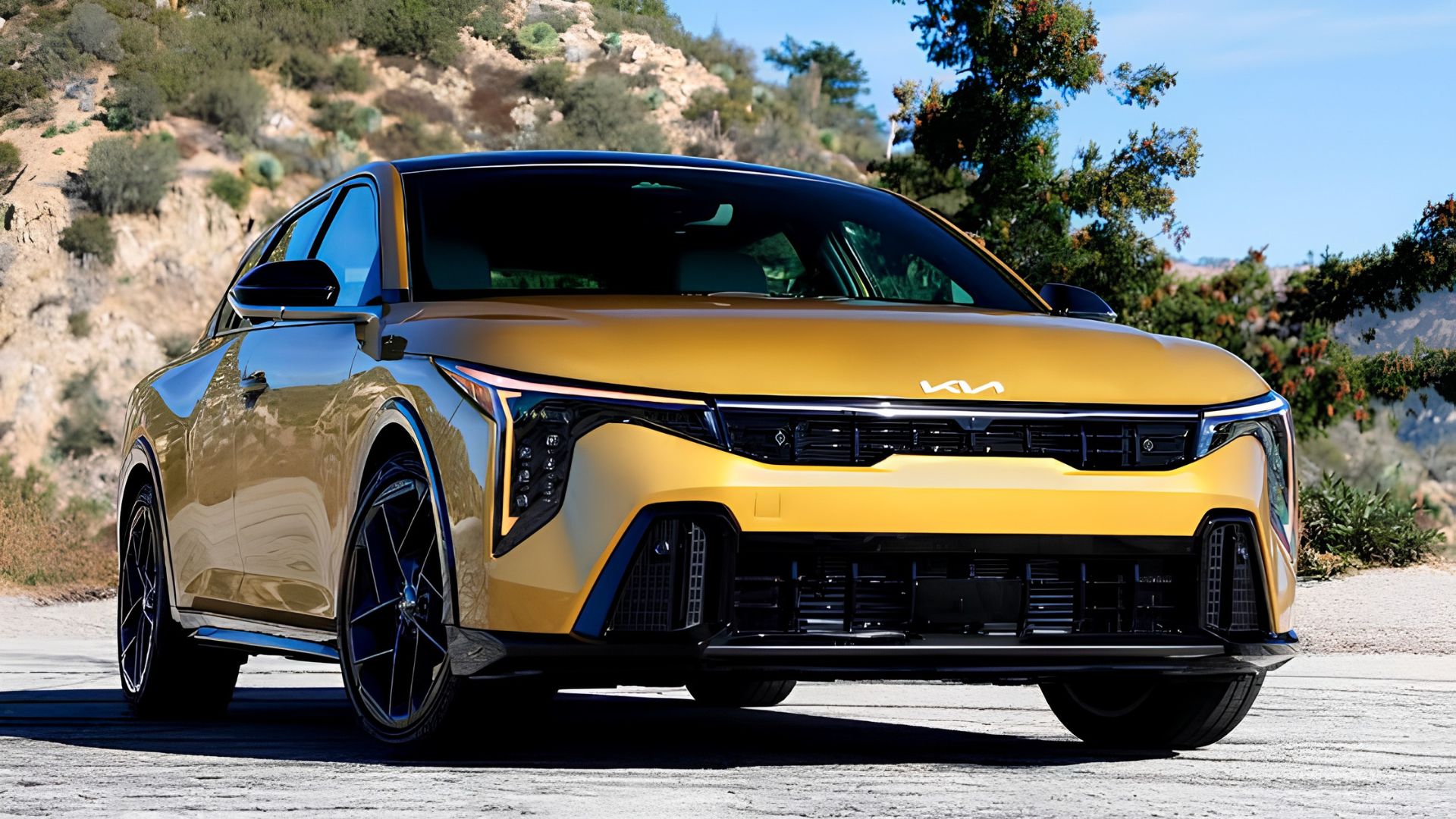
Kia K4 Launches in Portugal with 7-Year Warranty, Targets Volkswagen Golf with 1.0 Turbo Engine, Unavailable in Brazil

-
Uber Women Expands Across Brazil: Female Riders Can Now Choose Women Drivers, Schedule Rides, and Set Automatic Preferences

-
Brazil Plans to Launch Ethanol-Fueled Hybrid Cars in 2026 as an Alternative to Fully Electric Vehicles

-
Hyundai HB20S 2026 Surpasses Onix with Turbo Engine, Fuel Efficiency of 15.2 km/l, and Over 750 km Range, Leading Compact Sedan Sales in Brazil with 5,205 Units Sold.


This change helps to contextualize why cars previously associated with family use, travel comfort, and large trunks began to occupy less space on the streets and in manufacturers’ commercial strategies.
According to automotive industry experts, there was not necessarily an abandonment of sedans, but a change in purchase decision priorities, with some consumers considering SUVs more suitable for urban and family use.
The automakers’ strategy also contributed to this shift, as the supply of compact and entry-level SUVs has grown in recent years and started to compete with customers who previously looked at medium hatches and sedans.
With more options in stores, the category stopped being concentrated in higher-priced models and began to compete directly with compact and medium sedans in similar price ranges.
SUVs gain space in Brazilian dealerships
The rise of SUVs, according to industry analysts, is linked to a set of factors involving use, price, and consumer perception, not just body design or aesthetic preference.
The category brings together characteristics valued by part of the Brazilian public, such as elevated driving position, greater sense of control on uneven roads, ease of passing through ditches, speed bumps, and potholes, as well as a cabin considered more versatile.
Murilo Briganti, partner at Bright Consulting, defines the change as a loss of prominence for sedans, rather than a definitive rejection of three-volume models in the national market.
“I see the decline of sedans much more as a loss of prominence than an abandonment. The SUV has become the ‘standard car’ for Brazilian families,” he stated to g1, according to a report on the topic.
Another factor pointed out by experts is the prices, as sedans and SUVs have started to appear in similar price ranges at dealerships, reducing the difference that previously separated the two categories.
Around R$ 110 thousand, models like Volkswagen Virtus and T-Cross appear as close alternatives; at a higher level, Toyota Corolla and Corolla Cross also enter into direct comparison.
With this proximity, some consumers have started to evaluate that SUVs offer a set of attributes more aligned with daily use needs, even though sedans maintain advantages in comfort, drivability, and trunk space.
The higher body, the design associated with larger vehicles, and the perception of status also appear among the elements considered by buyers, according to the evaluation of automotive market specialists.
Compact sedans feel more pressure from SUVs
The decline in participation did not affect all sedans in the same way, because smaller models were more exposed to the expansion of compact and subcompact SUVs sold in similar price ranges.
Previously present among families and first-time new car buyers, these sedans began to face competition from urban sports utility vehicles, which offer greater ground clearance and visuals associated with the most sought-after category.
In this segment, the competition increased because manufacturers expanded the offering of models with compact size, urban proposal, and entry-level positioning within the SUV segment.
Milad Kalume Neto, an automotive consultant, assesses that the arrival of more entry-level SUVs tends to further reduce the space for sedans in the Brazilian market.
Among the examples cited are Volkswagen Tera, Fiat Pulse, and Chevrolet Sonic, models positioned to compete for consumers looking for a compact car but with appearance, height, and proposal linked to sports utility vehicles.
In Kalume Neto’s assessment, SUVs can still reach high peaks of participation throughout the year, as new products arrive at dealerships and expand the available offer to consumers.
“We will probably have sales peaks with 50% participation throughout the year,” stated the consultant, commenting on the strength of the category in the Brazilian market.
This scenario helps to contextualize why the sedan stopped being an automatic choice for those looking for a family car, especially in ranges where compact SUVs started to compete for the same budget.
The buyer who previously prioritized trunk space, rear space, and comfort started to include ground clearance, driving position, and vehicle image among the criteria analyzed before purchase.
Executive cars and fleets keep sedans alive
Despite the downturn in the overall market, sedans remain present in niches where comfort, stability, finish, interior space, and corporate image still have significant weight in the purchasing decision.
Among larger and luxury models, the loss of market share tends to be smaller, according to experts, because this audience seeks specific attributes that are not always replaced by SUVs in the same range.
Kalume Neto states that the so-called executive car maintains demand due to factors such as exclusivity, tradition, and image associated with the corporate environment.
“That image of a company’s CEO getting out of a Fiesta Hatch? No, right! The guy gets out of a Mercedes C-Class, E, SL… all sedans!” said the consultant when commenting on the symbolic weight of three-volume models in the premium segment.
Fleets, rental companies, taxi drivers, and app drivers also sustain part of the demand, especially in purchases where the intensive use of the vehicle weighs more than appearance or market positioning.
In these cases, the decision usually considers interior space, passenger comfort, trunk capacity, and operational cost, factors that still favor some sedans in daily use and long urban journeys.
Briganti highlights precisely this profile of professional buyer, who evaluates the car as a work tool and tends to prioritize cost per kilometer driven, durability, and onboard comfort.
“Fleets, rental companies, app drivers, and taxi drivers value interior space, comfort, and operational cost,” stated the specialist when explaining why sedans still hold space with this audience.
The logic of this consumer differs from the purchase focused on the vehicle’s image, as the car needs to run a lot, consume less within the category, and regularly accommodate passengers and luggage.
Toyota Corolla shows why sedans still endure
In dynamic comparison, sedans maintain technical characteristics that continue to be valued by some consumers, especially by drivers who prioritize stability on highways, comfort on trips, and more predictable behavior in curves.
As they have a lower center of gravity, these models tend to offer a different sense of control than found in SUVs, although the advantage depends on the design, suspension, and proposal of each vehicle.
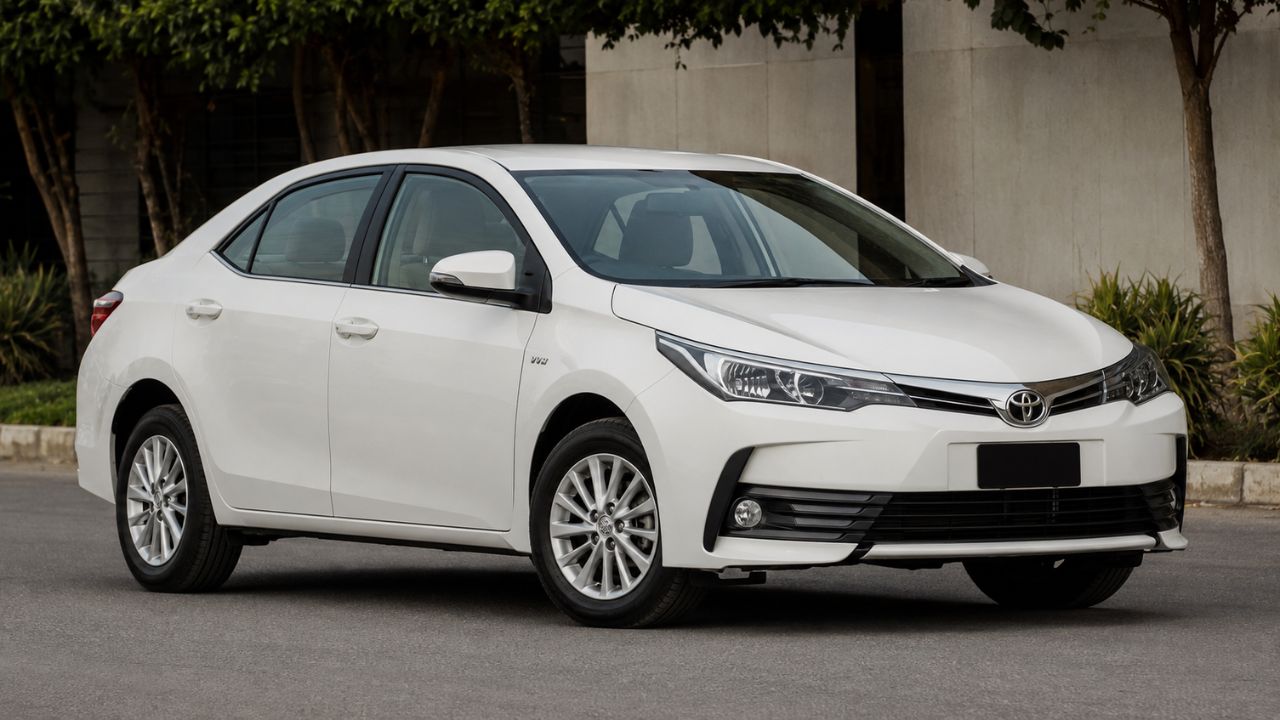
The Toyota Corolla remains among the most cited examples in this group, especially because it competes with the Corolla Cross, an SUV derived from the same family and positioned in a similar price range.
In a g1 test cited in the report, the Altis Hybrid version presented a more refined interior finish, soft materials in much of the cabin, and more legroom in the rear seat compared to the Corolla Cross.
The difference in wheelbase, about six centimeters in favor of the sedan, contributes to the comfort of taller passengers and reinforces one of the characteristics traditionally associated with three-box models.
The trunk also appears as a favorable point for the sedan, although the limited opening due to the three-box body makes it difficult to transport taller objects, a situation where SUVs usually offer more practicality.
On the other hand, the Corolla Cross proves more suitable for tackling ramps, gutters, and speed bumps, precisely because of the elevated suspension and greater ground clearance.
This contrast helps explain why many consumers have started prioritizing SUVs in cities with uneven pavement, while sedans remain associated with comfort, stability, and better performance on road trips.
The transformation of the Brazilian market does not eliminate the attributes of sedans, but indicates that they have come to serve a more specific consumer within dealerships.
SUVs have taken the center of sales by combining image, urban practicality, and wide availability, while three-box models have become concentrated in niches that still value comfort, trunk space, finish, and drivability.