






 Portuguese
  Spanish


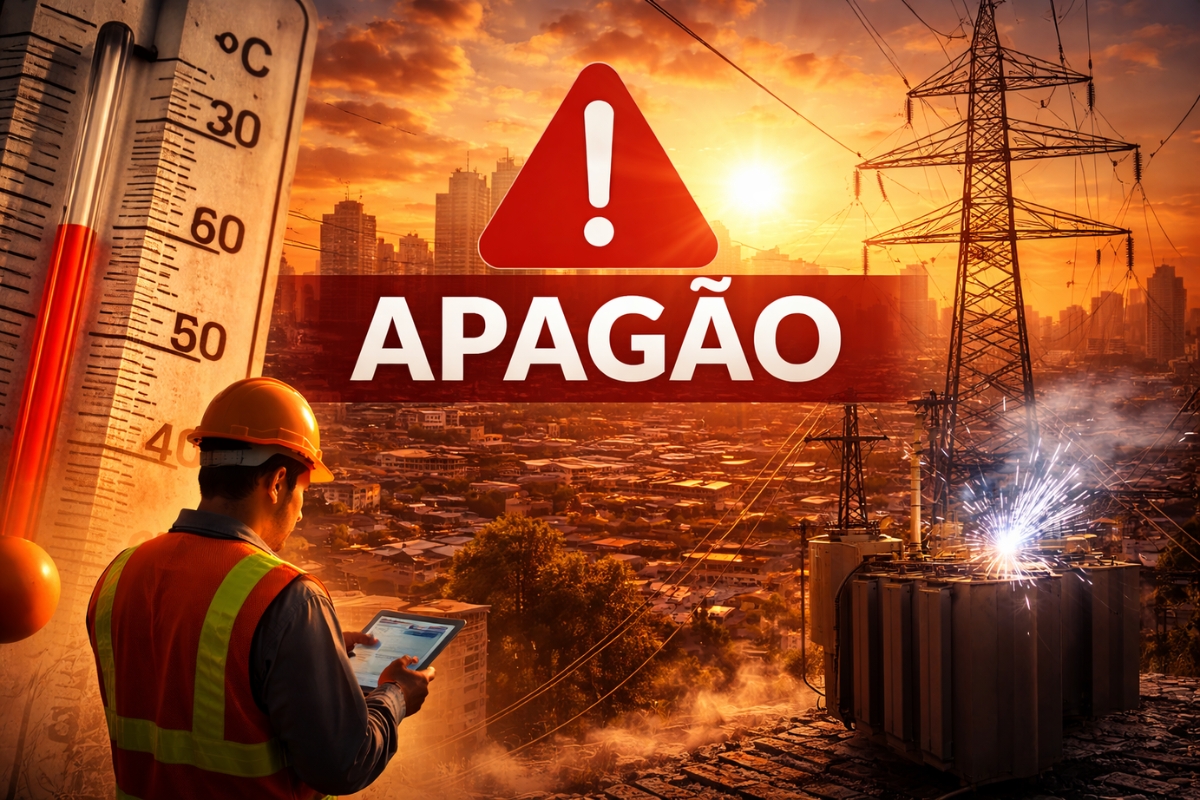


Extreme Temperatures Increase Energy Consumption, Overload Equipment, and Raise the Risk of Supply Interruptions
Increasingly frequent heat waves in Brazil have gone beyond thermal discomfort and have started to directly impact the supply of electric energy. During periods of extreme heat, the number of local blackouts, power outages, and system fluctuations increases.
The main reason is the simultaneous increase in consumption. Air conditioning, fans, refrigerators, and industrial equipment begin to operate at their limits, raising the load on the power grid in short periods of time.
This scenario puts pressure on transformers, substations, and distribution lines, especially in dense urban areas and regions with older infrastructure.
-
Itaipu Dam Stuns Visitors with First Spillway Opening in 2026, Showcasing the Power of Water Once Again

-
USP researcher creates thesis to attract international funds for the country’s electric energy sector
-
Trafigura receives authorization from ANEEL to trade electricity in Brazil and expands its operations in the largest energy market in Latin America.
-
Mobile solar panels promised to share space with corn crops, but the 20% to 25% shade reduced production by an average of 7.7% and opened a new dispute between energy and food.


What Happened and Why It Caught Attention
In recent summers, cities in different regions reported supply failures precisely on the hottest days. In many cases, the system did not collapse on a national scale, but there were spot blackouts and prolonged interruptions in entire neighborhoods.
These episodes drew attention because they occurred even without major accidents, storms, or visible failures, only with elevated temperatures.
This underscored the warning that extreme heat, by itself, is already a risk factor for the stability of the grid.
Why the Power Grid Suffers During Heat Waves
The electrical system is designed to meet demand peaks within certain limits. During heat waves, consumption rises quickly and in a concentrated manner.
Transformers and cables heat up more, which reduces efficiency and increases the risk of automatic shutdowns to prevent greater damage. In older networks, the problem intensifies.
Moreover, excessive heat can affect equipment, cause component expansion, and increase failures in connections.
What Changes Practically for Residents and Businesses
For households, the impact appears in the form of power outages, delays in restoration, and damage to devices in cases of fluctuations.
Businesses and shops suffer from shutdowns, loss of refrigerated products, and service interruptions, especially during peak hours.
Hospitals, data centers, and essential services depend on generators and contingency plans to avoid greater losses.
What Emergency Measures Exist to Prevent Collapse
When demand reaches critical levels, system operators adopt emergency measures. Among them are network maneuvers, load redistribution, and activation of reserve power plants.
In extreme situations, preventive shutdowns may occur in specific areas to preserve the integrity of the system as a whole.
Conscious energy use campaigns are also typically reinforced during these periods.
The Role of the National Operator and Distributors
The national operator monitors real-time generation and consumption, adjusting energy dispatch according to need.
The distributors operate on the ground, identifying local overloads and making emergency repairs when failures occur.
Coordination between these agents is essential to avoid larger-scale blackouts.
What May Happen From Now On
With the trend of warmer and longer summers, the challenge for the electrical system is likely to grow. Investments in network modernization, expansion of generation, and demand management are becoming increasingly necessary.
Consumers also play a relevant role by avoiding waste during peak hours.
The central point is clear: heat waves increase the risk of local blackouts, and adapting the electrical system will be crucial to face this new climate pattern.
In the meantime, planning, rapid response, and conscious use remain the main tools to reduce impacts in daily life.









Faltou mencionar o risco de apagões causados por tempestades solares que poderiam, teoricamente, afetar esses equipamentos mais antigos e vulneráveis, caso a tempestade solar venha na direção da terra e acompanhada de pulsos eletromagnéticos
Infelizmente maioria das pessoas não se conscientizam disto e vão gerando consumo exagerados sem controle.Pessoas sem noção gastam água desnecessariamente imagina a energia então.Governo tem fazer uma campanha forte sobre isto ou vamos colapsar de vez,e aí o resultado será desastroso.
Ontem em uma comunidade aqui a casa do cara pegou fogo pq ele foi trabalhar e deixou os ar condicionados ligado o dia inteiro, enfim, todos nós sabemos de onde vem o problema de alto consumo, mas hoje em dia não é permitido falar o óbvio e a verdade pq ofende os **** nacionais.