





 Portuguese
  English
  Spanish
  3 min of reading


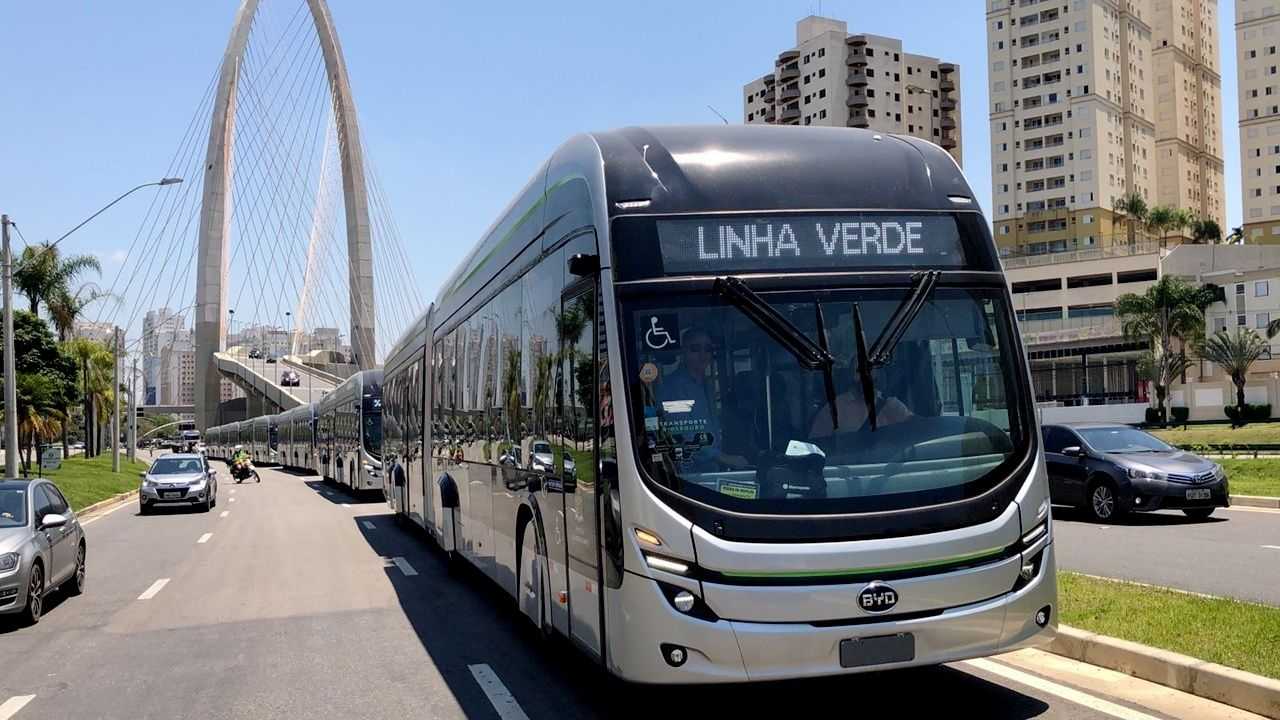
Electric Buses Can Solve Infrastructure Problems and Provide More Accessible Fare for the Population
In Brazil, public transportation is still a major issue, especially in the metropolitan areas. This is due to the high maintenance costs, mainly because of aging and worn-out fleets. However, the option of electric buses has emerged and promises to revolutionize urban mobility. According to the NTU (National Association of Urban Transport Companies), the Brazilian urban bus fleet is the oldest in 27 years, with these vehicles responsible for over 50% of the transportation of the population in major cities such as São Paulo, Salvador, and Curitiba.
First of all, the aging buses in circulation are considered a significant safety problem, as many vehicles do not receive proper maintenance, especially in the post-pandemic period. Thus, purchasing electric buses could solve two problems at once. Moreover, they directly affect the environment, as they have older engines that emit higher amounts of carbon dioxide, nitrogen oxides, and particulate matter, which are extremely toxic and harmful to humanity.
To combat this issue, the best solution is investing in electric buses, which are being viewed positively by some city halls. However, the high acquisition and maintenance costs deter municipal councils with less financial capabilities. Additionally, some cities lack the necessary infrastructure for implementing electric buses.
-
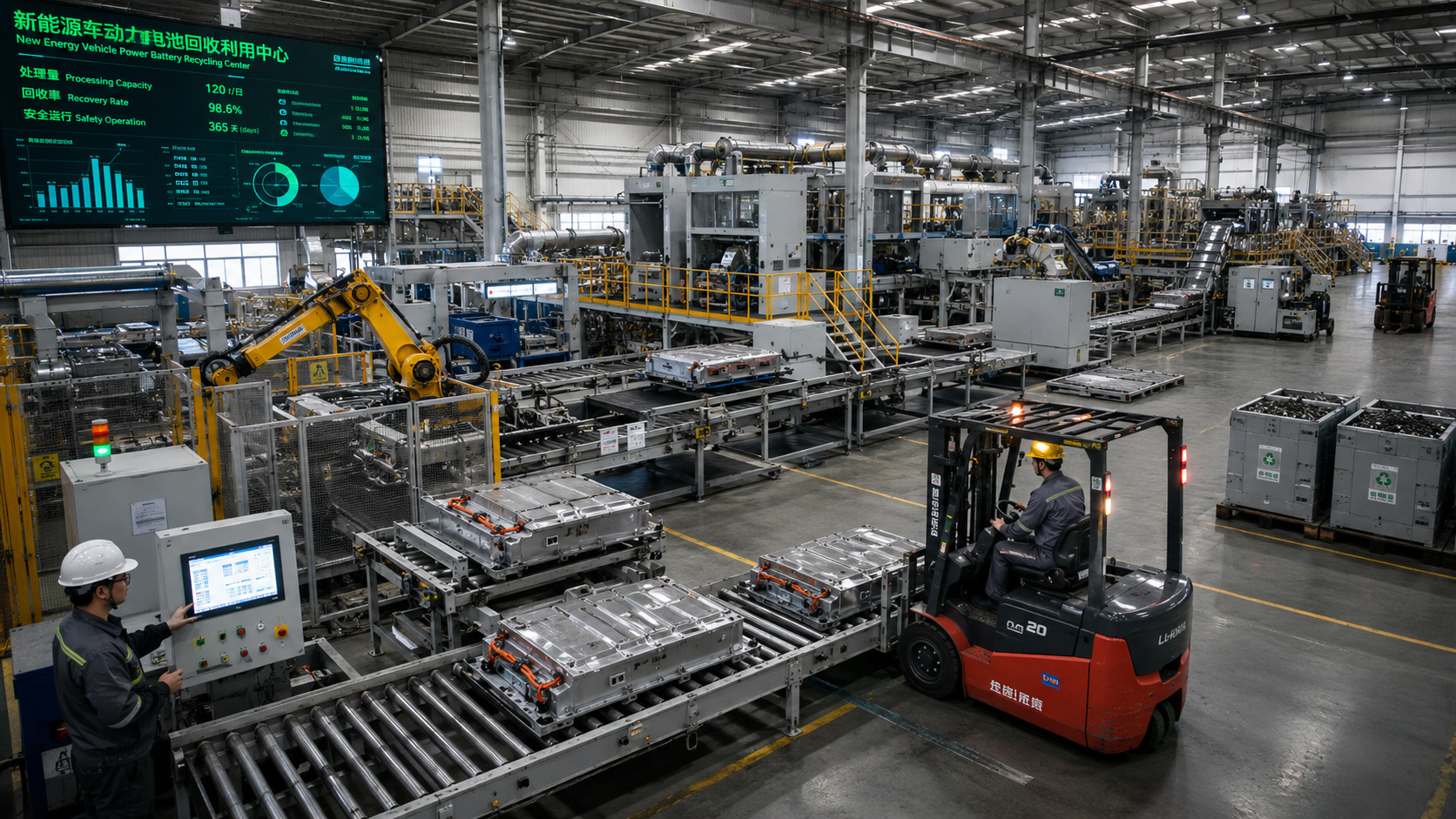
China has put millions of electric cars on the roads and now recycles up to 99.6% of used batteries, recovering lithium, nickel, and cobalt at levels that surpass Europe and the United States.

-
Chinese SUV priced at R$ 432,000 arrives in Brazil and challenges traditional models: GWM Wey 07 Dark Edition has 512 hp, over 5 meters, goes from 0 to 100 in 4.9 seconds, and aims to surpass SW4 in technology.

-
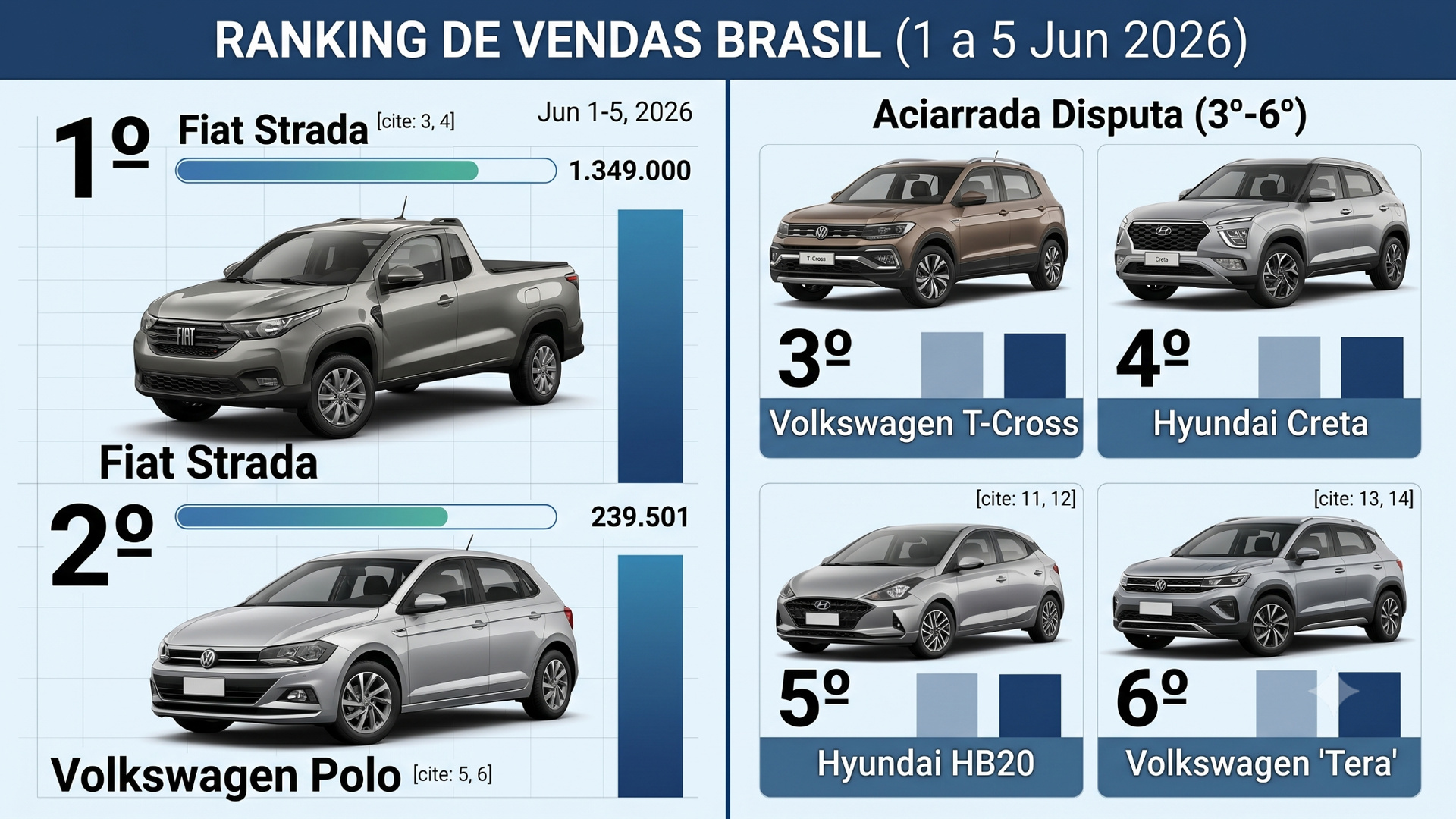
Currently best-selling cars in Brazil in June 2026: Fiat Strada leads the way, Volkswagen Polo catches up, and SUVs like T-Cross, Creta, HB20, and Tera intensify the competition in the national ranking.

-
Mitsubishi surprises the Brazilian market with cuts of up to R$ 55,000, expands bonuses for trade-ins, and pressures rivals in SUVs and pickups.


Electric Buses Offer Environmental and Social Solutions
The managing partner of Elev, Ricardo David, states that electric buses have a significant social and environmental impact. For him, thinking about ESG means focusing on environmentally sustainable issues, which includes electric cars and buses. Furthermore, he states that these new vehicles can also have a significant social impact, as they provide better quality of life for city residents.
São Paulo Leads in Electric Bus Fleet
Today, the city of São Paulo is the largest investor in electric buses in the country, with 219 vehicles in its fleet, making it the largest of its kind in trolleybuses, which are recharged via overhead lines. Thus, 18 models are electric buses with modern batteries that do not require cables for power supply. Currently, the city hall of São Paulo has stated that, soon, an additional 300 units of electrified buses will be operating in the city. Likewise, the City Hall of Salvador anticipates that the BRT system will have 30% of its fleet electrified. On the other hand, the City Hall of Curitiba has stated that it is studying the electrification of the Inter 2 and BRT East-West corridors by 2024.
According to the NTU survey, acquiring electric buses would also impact users’ costs. This is because the cost per kilometer traveled using electric energy will be 73% cheaper than diesel – which is currently around R$3.10 – and would only be R$0.84 with electric vehicles. Finally, the association states that one-third of the operational costs for bus companies are related to fuel expenses. Therefore, adopting electric buses would provide a significant advantage for all involved. Additionally, electric models require 70% less financial resources for maintenance than conventional models.




Be the first to react!