Portuguese
  Spanish


President Lula Has Days to Decide: Sign or Veto the Law That Could Transform the Future of the Amazon and Brazil’s Image in the World
On the eve of COP30, Brazil faces an environmental dilemma that could compromise its international image. A new bill regarding environmental licensing, approved by the National Congress, awaits the final decision of President Luiz Inácio Lula da Silva, who must either sign or veto it by August 8. According to experts, if approved as it is, the text will represent a serious setback in environmental protection policies and may pave the way for the deforestation of millions of hectares of forest.
The UN Special Rapporteur for Human Rights and the Environment, Astrid Puentes Riaño, has harshly criticized the proposal. In an interview with BBC News, she described the proposal as a “decades-long setback” and warned of the risks of irreversible damage to the Amazon and other areas of great environmental importance. “Without proper analysis, changes or the continuation of projects can represent deforestation in the Amazon,” she stated.
18 Million Hectares Under Threat
Based on data from the Socioenvironmental Institute (ISA), Astrid estimates that the new legislation could withdraw protection from around 18 million hectares, an area equivalent to the entire territory of Uruguay. The concern is that by relaxing licensing rules, the project will facilitate the expansion of activities such as mining and agriculture — including in areas currently protected by law.
-
Shell Discovers Intact Early 19th-Century Wooden Shipwreck in the Gulf of Mexico at Over 1,300 Meters Deep

-
Brazilian Entrepreneur Turns Door-to-Door Jewelry Sales into a Family Business Empire with Over 70 Stores

-
$75 Million Bridge in Brazil Opens to Connect Cities, Create Jobs, and Cut Travel Time from 30 to 2 Minutes; Spanning 1.24 km, It’s Among the Country’s Largest and Ends Decades of Ferry Queues.
-
Brazilian Farmer Builds 8-Ton Tractor from Army Truck Engine, Plants Over 100 Hectares of Soybeans




Among the most controversial points is the possibility of automatic licensing. Under the new rule, environmental agencies would have up to 12 months (extendable for another 12) to respond to a project. If the deadline expires without a response, the license could be granted automatically. Experts believe this could allow high-impact enterprises to proceed without the necessary technical or scientific rigor.
Less Consultation and Less Control
Another aspect that raises the alarm is the reduction in the requirement for consultations with indigenous and quilombola communities. Under the proposal, only groups directly affected must be consulted. According to the UN, this represents a threat to local communities’ participation in decisions that could severely affect their ways of life and ancestral territories.
Astrid Puentes also highlights that the project favors self-declaration of environmental impact by small-scale agricultural enterprises, through simple online forms. This could weaken oversight, especially in regions where illegal deforestation is already a constant reality.
“Mining or infrastructure projects cannot be authorized without a complete analysis of environmental impacts. The current proposal opens dangerous loopholes in this regard,” says the UN rapporteur.
Deforestation on the Rise and Extreme Drought
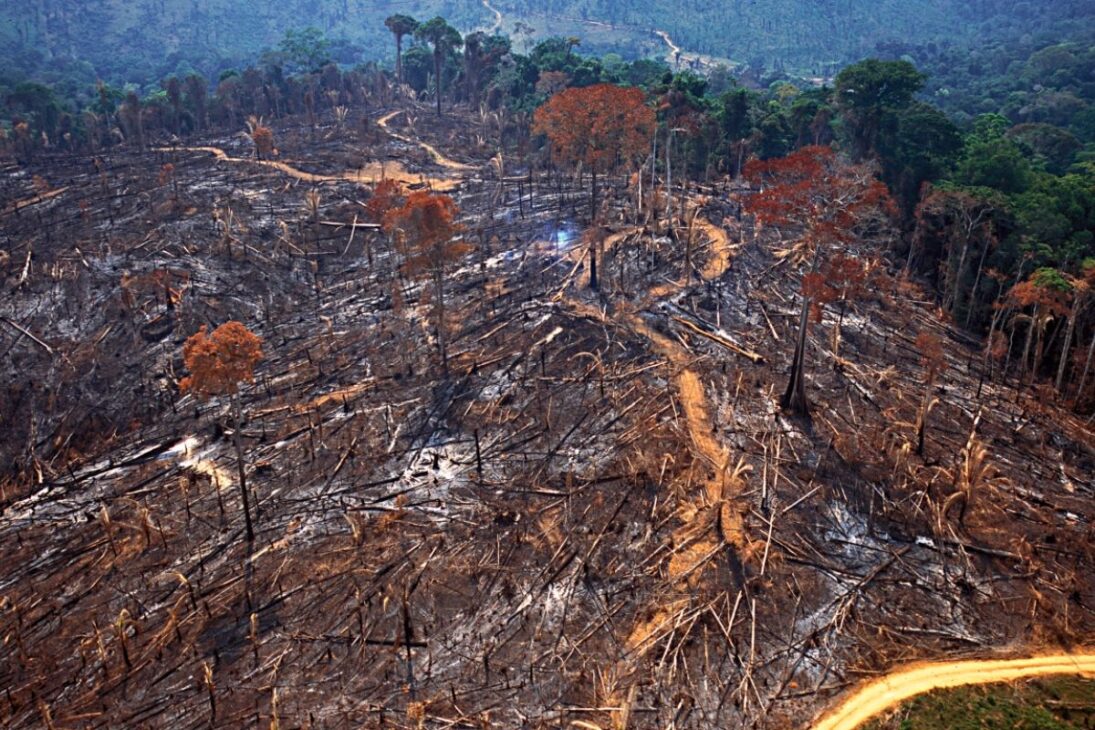
The alert comes at a critical moment. In recent months, satellite monitoring data has confirmed high deforestation rates in the Amazon, with extensive areas consumed by fires exacerbated by the historic drought of 2024. The combination of forest destruction and water scarcity is already directly affecting the health of the local population and global climate balance.
Civil society entities, such as the Climate Observatory, indicate that the text of the new licensing project primarily serves the interests of sectors of agribusiness and mining, which have long pressured for a streamlining of environmental processes.
Meanwhile, proponents of the project argue that the law will “modernize” the current system, which is considered slow and inefficient. According to this view, the new model would allow greater agility for enterprises deemed strategic, such as roads, power plants, and energy facilities.
Divided Government and International Pressure
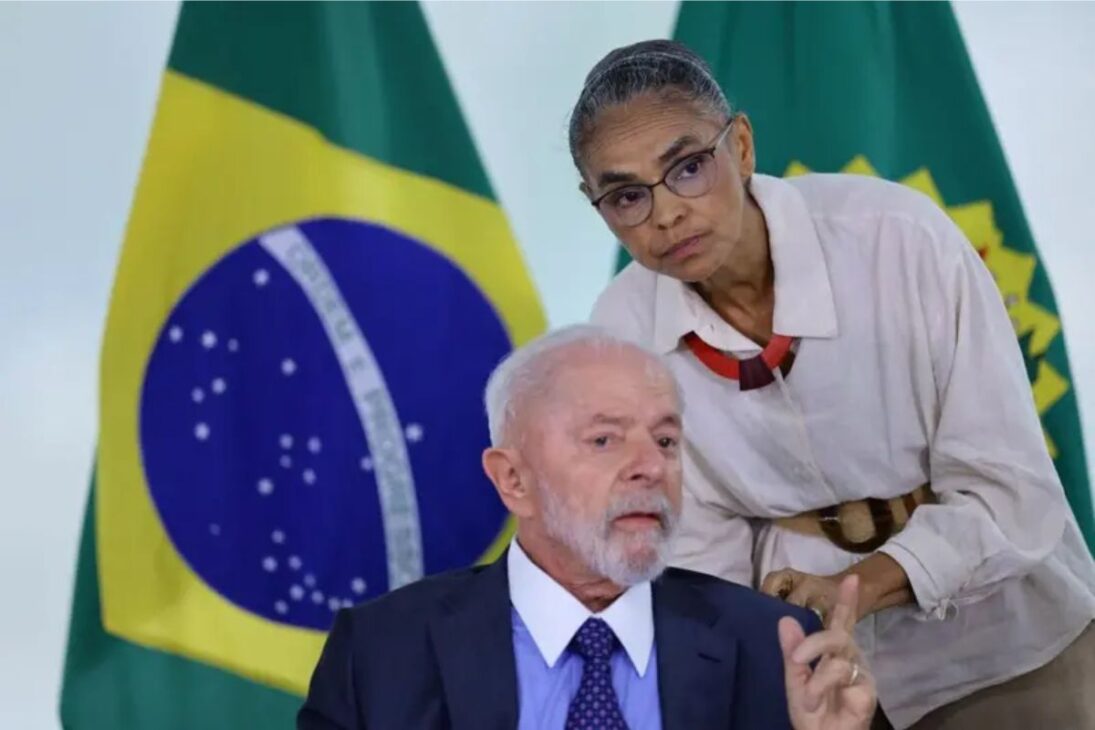
Within the government, the issue divides opinions. Environment Minister Marina Silva has publicly opposed various points of the project and stated that if the law is signed without changes, it could be challenged in the Supreme Court (STF).
At an event in Brasília, Marina stated that the government is considering a possible partial veto and the creation of a more balanced legislative alternative. “It’s not enough to veto. It’s necessary to veto and have something to put in its place,” said the minister. The idea would be to preserve valid technical points of the proposal while also preventing the advancement of norms that endanger the forest and human rights.
The final decision from Lula comes at a delicate context. Brazil will host the COP30, the United Nations Climate Conference, in November, in Belém (PA). The sanctioning of a law that weakens environmental protection mechanisms could generate international criticism and undermine the climate leadership that the country has been trying to consolidate in recent years.
If the president vetoes the project, Congress could still overturn the veto and maintain the original text. The dispute, therefore, is far from over.