Portuguese
  Spanish


Even With the Advancement of Clean Energies, Oil Demand Will Continue to Grow Until 2050, According to OPEC, Driven by Developing Countries and Sectors Such as Transport and Aviation.
The demand for oil has driven the global economy since the early 20th century. Even as renewable technologies advance, oil remains essential for strategic sectors such as mobility, industry, and energy generation.
According to the Organization of the Petroleum Exporting Countries (OPEC), global consumption will continue to rise consistently over the next decades. According to the report released on July 10, the projection indicates that the world will reach about 123 million barrels per day (bpd) by 2050.
Compared to the current consumption of approximately 102 million bpd, the estimated growth is 20%. Furthermore, OPEC makes it clear that “there is no peak oil demand on the horizon”, contrary to analyses that bet on a reduction in consumption by mid-2030 or 2040.
-
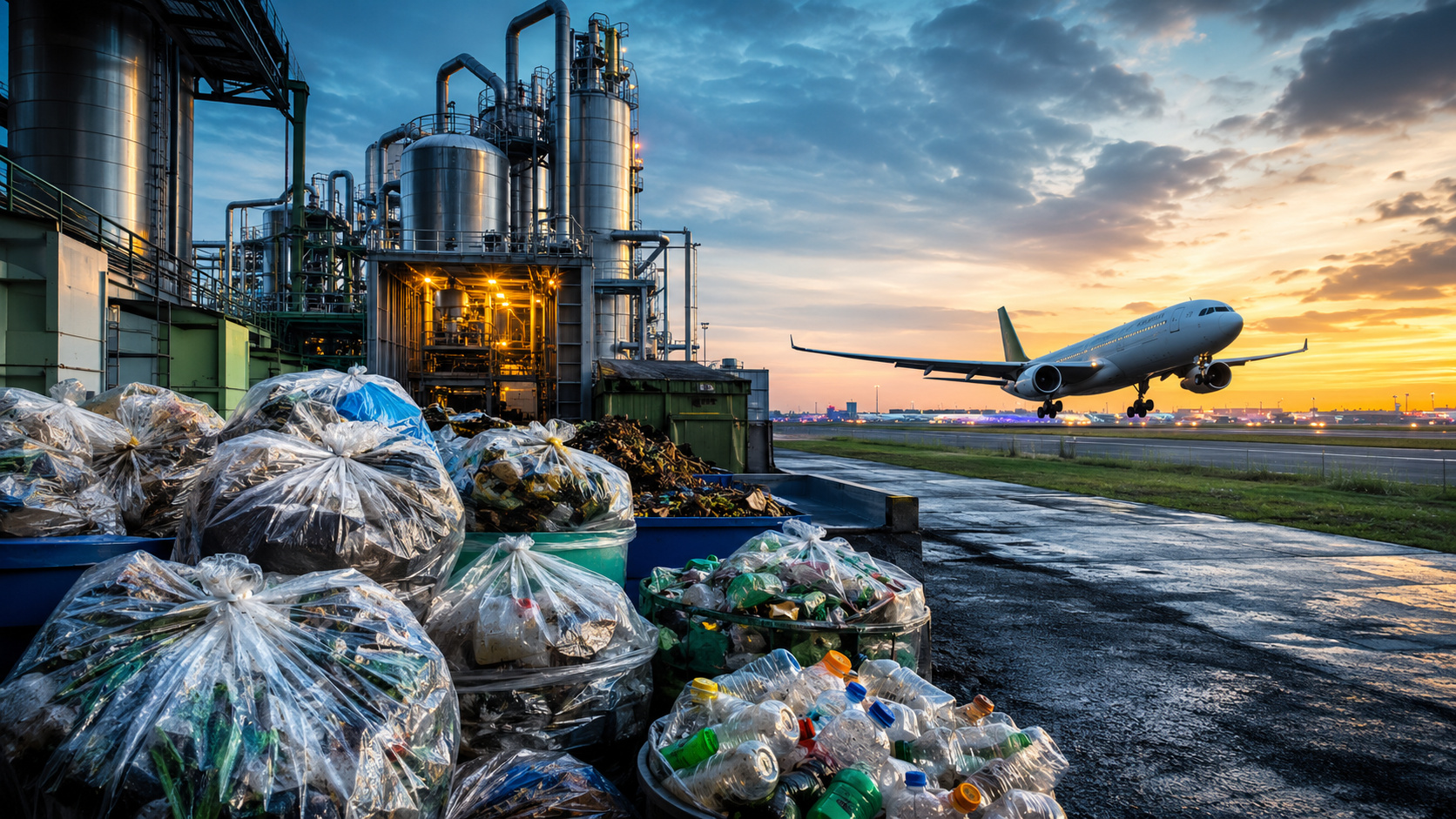
Qantas and Airbus Invest in Company Aiming to Convert Unsorted Household Trash into Jet Fuel

-
Brazil’s ANP Opens 86 New Oil Blocks in the Equatorial Margin, Expanding the Amazon River Mouth Frontier

-
OPEC+ Boosts Oil Supply by 188,000 Barrels per Day in July 2026, Leading to Price Drop from $112 to $89 per Barrel in Under Two Months

-
TotalEnergies Signs 20-Year Deal to Purchase 2 Million Tons of LNG from Alaska, Boosting Project Viability
The Historical Trajectory of Oil Demand
To understand this panorama, it is necessary to revisit the past. Since the late 19th century, when the industrial use of oil intensified, its importance has only increased.
Initially driven by the automobile industry and later by aviation, oil gained prominence. Throughout the 20th century, especially in industrialized countries like the United States and Western Europe, oil established itself as the engine of development.
It powered vehicles, fueled factories, warmed homes, and boosted global trade. However, starting in the 1970s, with the oil crises and the creation of OPEC, the market began to behave more sensitively to political and economic issues.
Subsequently, in the following decades, countries like China and India began to drive global demand. Currently, this trend remains strong.
In addition, population growth, particularly in regions like Asia and Africa, directly contributes to the increase in energy demand. The more the population grows, the more transport, energy, and industrial products become necessary.
This elevates the consumption of oil.
The Role of Developing Countries in Demand Growth
According to OPEC, the main drivers of oil demand expansion in the coming decades will be India, Middle East, Africa, and countries in Asia outside the OECD. Together, these groups will represent an increase of 22.4 million bpd by 2050, with India responsible for 8.2 million bpd.
These regions share several structural characteristics. Among them are increasing urbanization, accelerated industrialization, a growing vehicle fleet, and the strengthening of the middle class.
As a consequence, the need for fossil fuels intensifies. In contrast, countries that are members of the Organization for Economic Cooperation and Development (OECD), such as the United States, Japan, and Germany, tend to reduce consumption by 8.5 million bpd by 2050.
This is because these countries have more stringent environmental policies, greater penetration of electric vehicles, and increasing investments in energy efficiency.
Nonetheless, completely replacing oil remains a challenge. After all, the energy transition requires large investments in infrastructure, cultural changes, time, and economic stability.
For this reason, the reduction of oil will occur gradually — not immediately.
Sectors That Will Drive Consumption Until 2050
According to the OPEC report, the sectors that will most drive oil demand until 2050 are: road transport, aviation, and petrochemical industry. Together, they are expected to represent an addition of more than 14 million bpd.
It is estimated that the vehicle fleet on the planet will grow from 1.7 billion in 2024 to 2.9 billion by 2050. Although electric cars are expanding, combustion engine vehicles will continue to dominate.
By 2050, about 72% of the global fleet will still use fossil fuels. At the same time, the growth of the petrochemical sector, especially in developing countries, will keep the demand for oil as a raw material high.
After all, plastics, fertilizers, solvents, and medicines still heavily rely on petroleum derivatives. Therefore, even with incentives for sustainability and the use of recyclable materials, the world will still remain dependent on this energy source.
Production Expanding to Meet Growing Demand
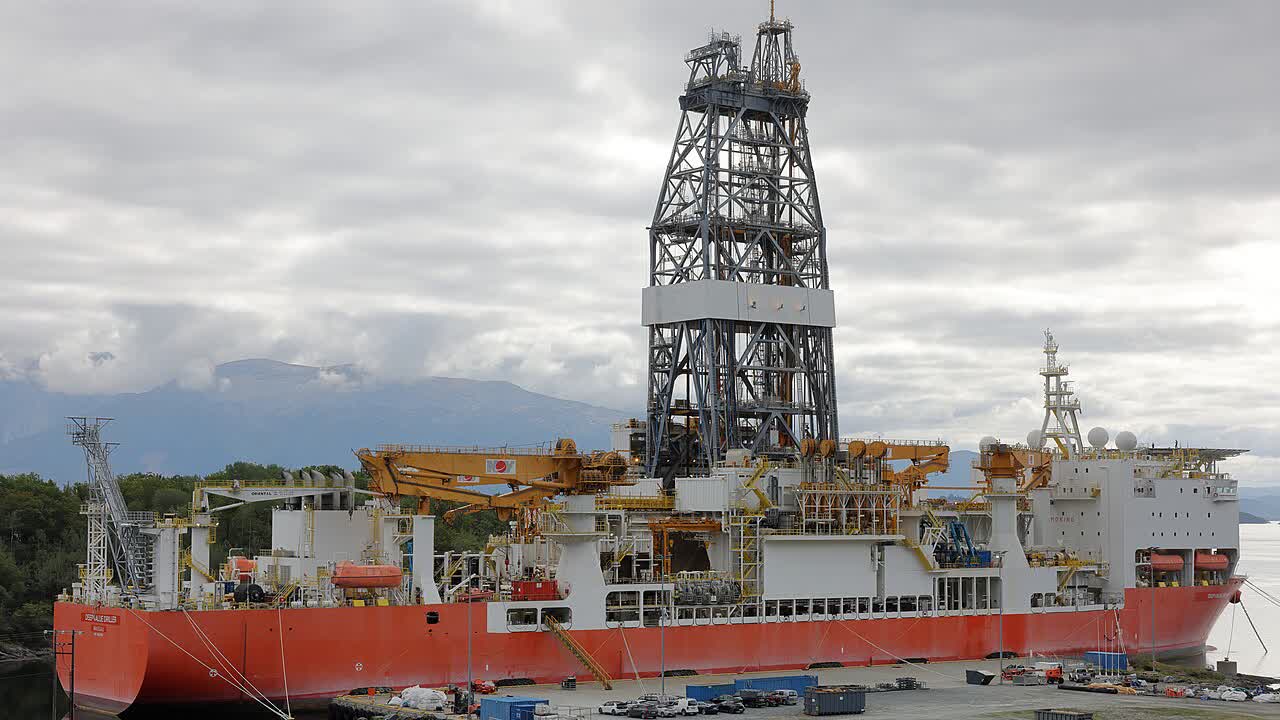
As the demand for oil grows, the producing countries are already organizing to increase supply. According to OPEC, United States, Brazil, and Canada are expected to expand their productions by 5.6 million bpd by 2050.
This will be possible thanks to the intensive use of technologies like hydraulic fracturing and pre-salt exploration. At the same time, OPEC countries plan to increase their production by 15 million bpd, raising their share from 48% to 52% of the global market.
This move reinforces the organization’s leadership in regulating the balance between supply and demand. However, several geopolitical factors influence production.
Armed conflicts, economic sanctions, changes in governments, and climate crises can alter the strategies and capabilities of producing countries.
For this reason, it will be essential to combine investment, diplomacy, and strategic planning to maintain a stable and continuous supply.
Oil Will Remain a Protagonist in the Energy Matrix
Despite the increasing adoption of renewable sources, oil will continue as an energy base in the coming decades. OPEC emphasizes that there is no inflection point in sight capable of causing a definitive drop in oil demand.
This is explained, above all, by the difficulties in replacing liquid fuels in sectors such as heavy transport, shipping, aviation, and petrochemical industry.
Even as innovations arise, no alternative source can compete with oil in energy density and production scale.
Moreover, many essential products for modern life — such as synthetic fabrics, cosmetics, medicines, paints, and insulators — are directly derived from oil.
Replacing them with sustainable alternatives will require time, research, and industrial adaptation.
Therefore, even as the world moves toward carbon neutrality, oil will maintain its central function, especially in the next three decades.
The trajectory of oil demand in the coming years is clear: the world will continue to consume more, not less. Driven by developing countries and sectors that are hard to electrify, consumption is expected to reach 123 million bpd by 2050, according to OPEC.
Although the world is mobilizing to reduce emissions and diversify the energy matrix, we will still rely on oil to keep our economies functioning.
Thus, it will be necessary to find ways to make it more efficient, less polluting, and compatible with global climate commitments.
Therefore, the challenge is not just to reduce oil use, but to adapt it to the new reality: a world that demands abundant energy, but also sustainability and environmental responsibility.