Portuguese
  Spanish




Discover The Largest Tunnels In The World, Their Lengths, Locations, And Purposes, From Lærdal In Norway To WestConnex In Australia, And Learn How They Transform Global Mobility.
Major underground works have changed the way we move: the largest tunnels in the world connect previously isolated regions with effective mobility solutions.
Seven prominent road tunnels: Norway, Australia, Japan, China, and Switzerland. Each project – designed to overcome mountains or reduce urban congestion – was built by governments or contractors responsible for tackling geographical obstacles and meeting growing demands for efficient transportation.
These underground corridors not only streamline traffic but also boost the economy and quality of life in the regions they traverse.
-
At 17, she hand-painted her first watercolor design for school uniforms; her brand grew without investors, sold 135,000 pieces, and aims for $3 million in revenue by 2026.

-
Shell Discovers Intact Early 19th-Century Wooden Shipwreck in the Gulf of Mexico at Over 1,300 Meters Deep
-
Brazilian Entrepreneur Turns Door-to-Door Jewelry Sales into a Family Business Empire with Over 70 Stores

-
$75 Million Bridge in Brazil Opens to Connect Cities, Create Jobs, and Cut Travel Time from 30 to 2 Minutes; Spanning 1.24 km, It’s Among the Country’s Largest and Ends Decades of Ferry Queues.




See Which Are The Largest Tunnels In The World
1. Lærdal Tunnel (Norway)
At 24.5 km, it stands as the largest road tunnel on the planet. Opened in 2000, it connects Lærdal and Aurland, replacing the most challenging section of the route between Oslo and Bergen.
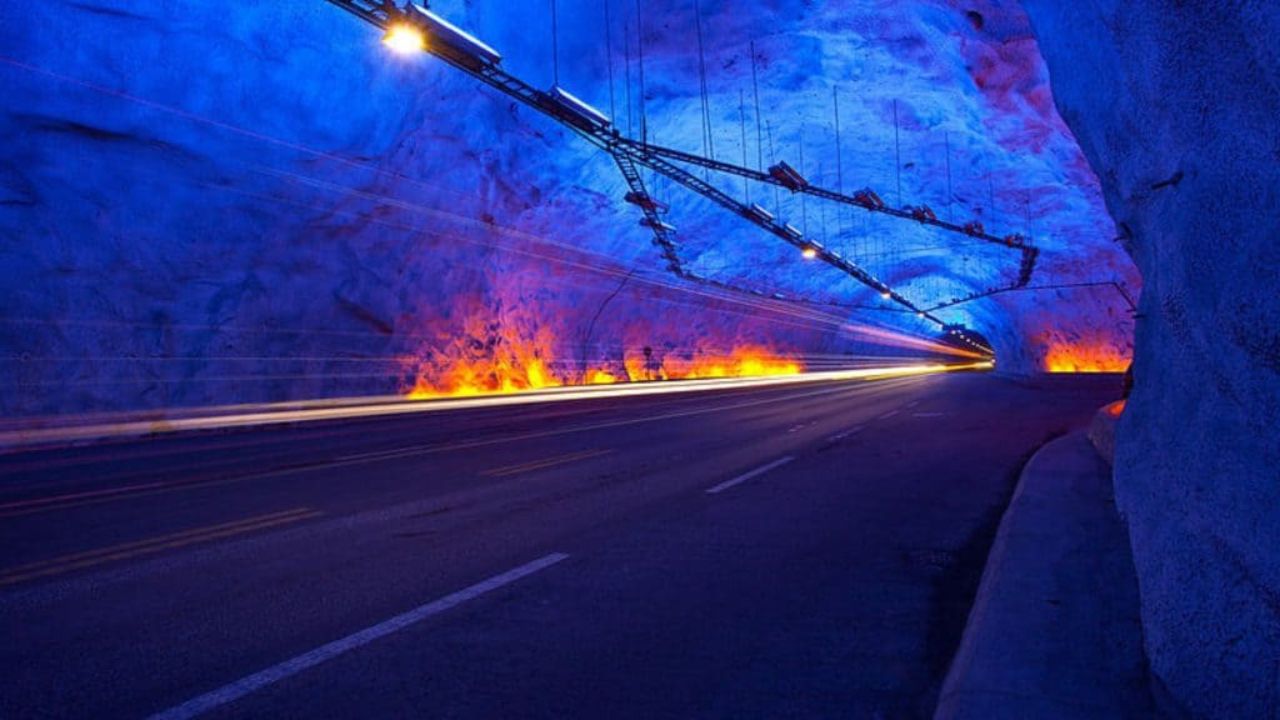
The layout includes an advanced ventilation and air purification system — filtering particles and nitrogen dioxide — to ensure safety and comfort for drivers.
2. WestConnex (Australia)
The largest road project in Australia has 33 km of roads, with 22 km in tunnels. Connecting Homebush to Kingsgrove in Sydney, it was opened in phases between 2016 and 2023.
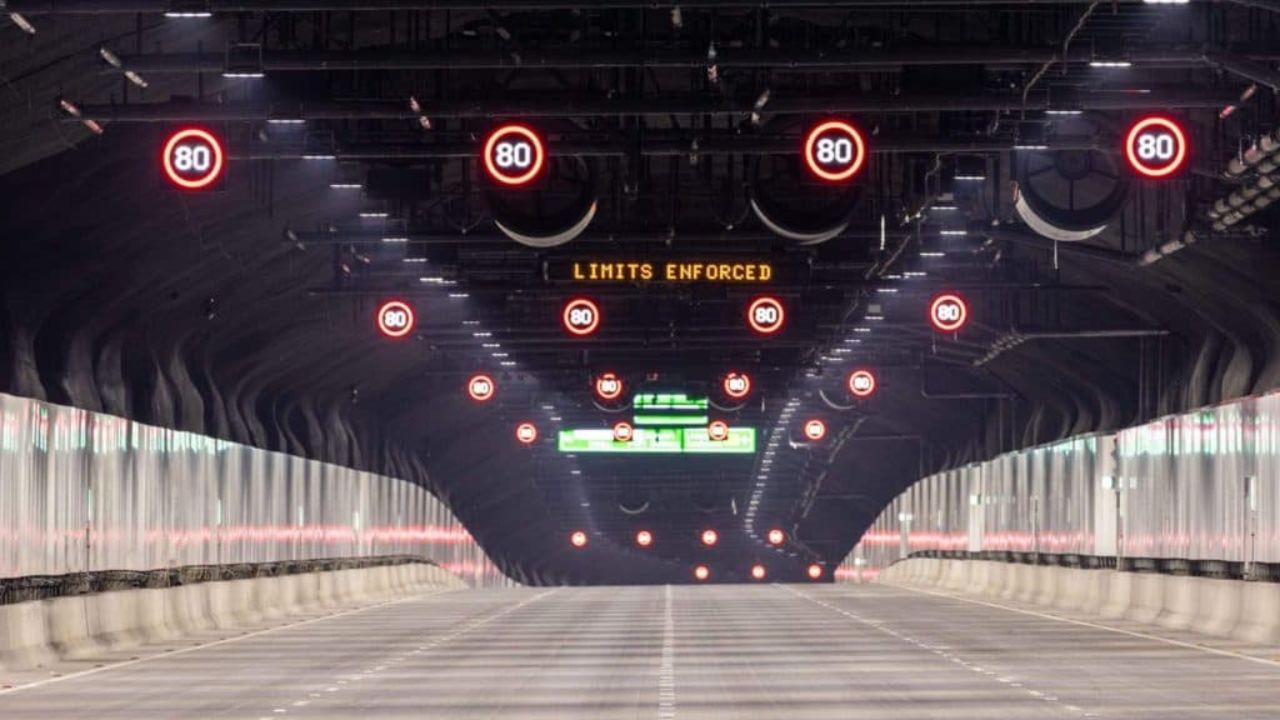
In addition to easing traffic, the tunnel has sparked debates about urban impact, high costs — exceeding A$ 45 billion — and high tolls.
3. Yamate Tunnel (Japan)
Located in Tokyo, it spans 18.2 km with two tubes, each with two lanes.
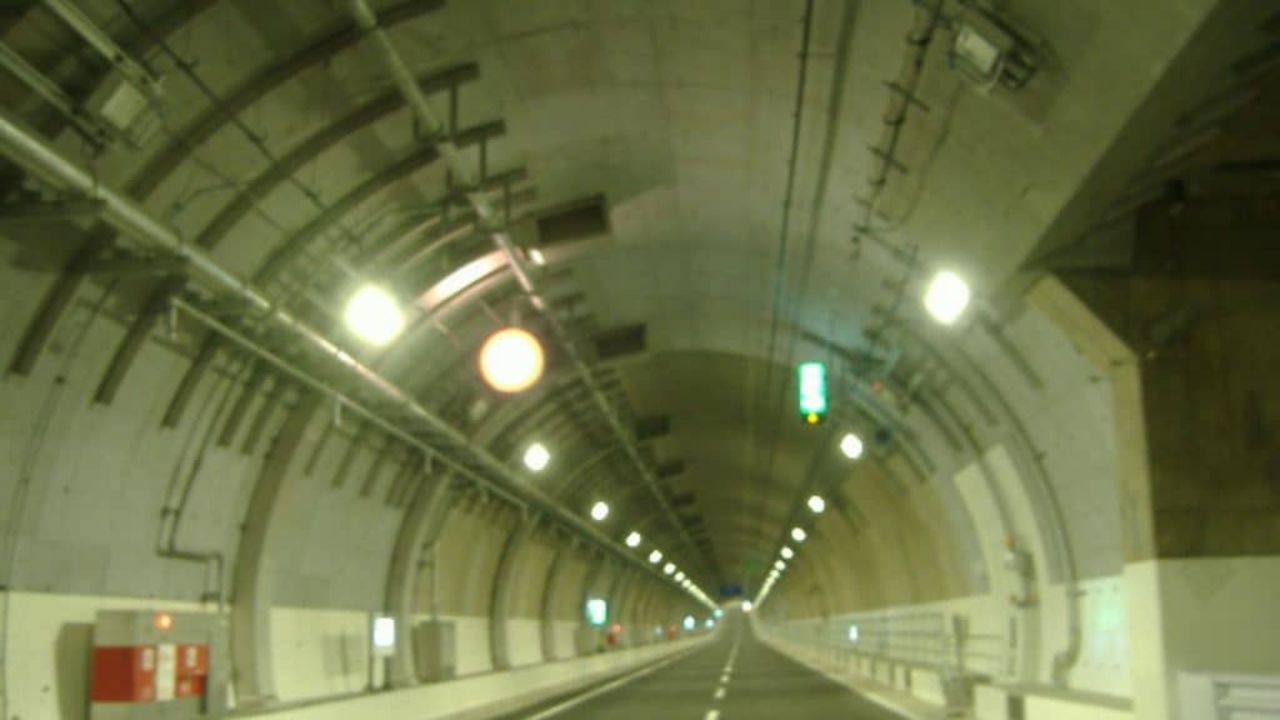
Built between 1992 and 2015, it integrates the city’s C2 ring road and was a viable alternative after protests against an elevated road planned in the 1970s.
4. Zhongnanshan Tunnel (China)
In Shaanxi province, this 18.04 km tunnel crosses the Qinling Mountains, connecting Xi’an to Shangluo.
Divided into two parallel tunnels (two lanes each), it was built between 2002 and 2007 to overcome natural barriers and integrate north-south transportation in China.
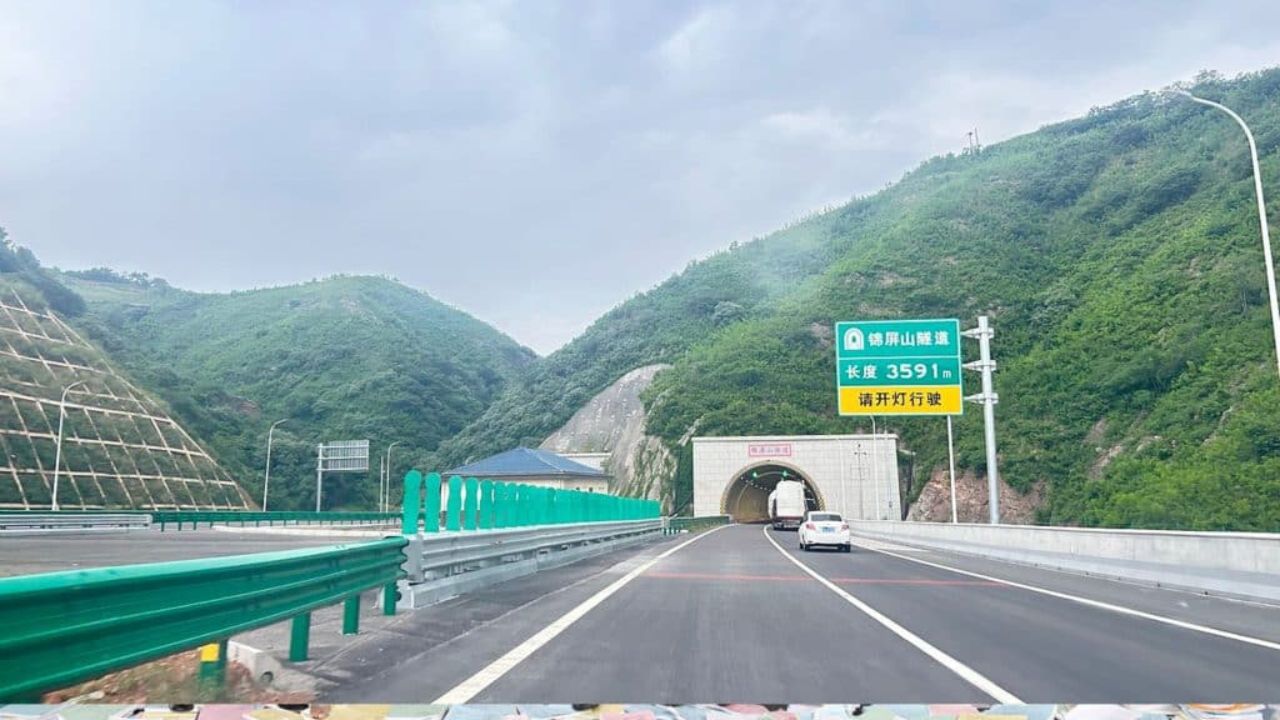
5. Jinpingshan Tunnel (China)
The Jinpingshan Tunnel, at 17.5 km, is another example of Chinese engineering focused on major infrastructure projects. Located in China, the tunnel is part of an effort to facilitate transportation and logistics between distant regions.
6. Gotthard Road Tunnel (Switzerland)
The Gotthard Road Tunnel, at 16.9 km, crosses the Swiss Alps, being a key route for drivers and freight transport.
It connects northern and southern Switzerland, ensuring continuous flow in a difficult-to-cross region.
7. Tiantaishan Tunnel (China)
Another tunnel listed among the largest, emblematic of Chinese engineering. The Tiantaishan Tunnel, at 15.56 km, is yet another Chinese project designed to improve mobility between remote regions.
It reinforces the country’s transportation infrastructure, allowing drivers to cross previously inaccessible areas.
Why Are These Tunnels Fundamental?
Connecting Complex Geographies
In mountains, under seas, or between densely urbanized areas, the largest tunnels in the world offer direct and fast routes, reducing regional isolation and promoting logistical and socioeconomic integration.
Innovation At The Service Of Fluidity
In addition to massive excavations, the tunnels include advanced systems — such as motivational lighting, ventilation, and filters — that make crossing safer and less exhausting for drivers.
Political And Environmental Issues
Projects like WestConnex and the Yamate Tunnel have faced criticism for urban impact, high costs, and protests, showing that major works require social consensus and shared planning.
The largest tunnels in the world are not only monuments of engineering — they are routes that transform mobility, the economy, and people’s lives.
From Norway to China, passing through Australia, Japan, and Switzerland, each tunnel challenges geographical limits to unite destinations, shorten distances, and provide a safer path for drivers.
Source: Olhar Digital