






 Portuguese
  Spanish


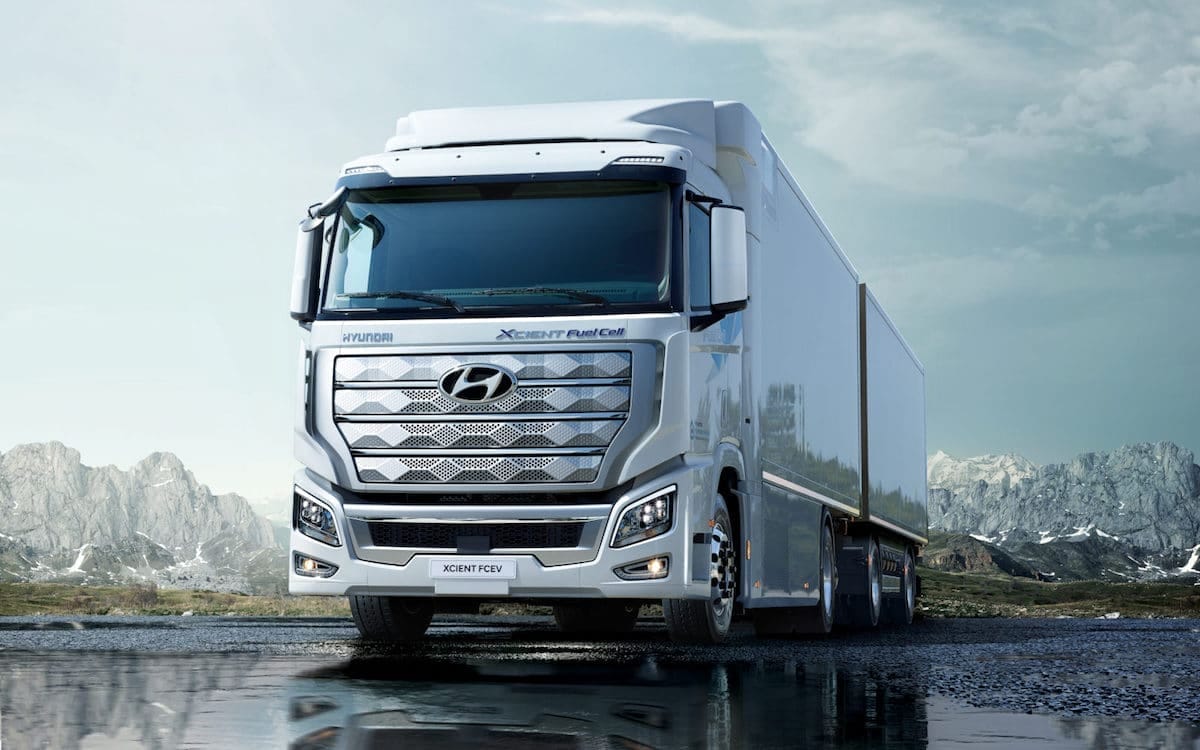

Hyundai Motor Reaches 10 Million Km With Hydrogen Trucks, Promoting Clean Energy and Carbon Reduction
The Hyundai Motor XCIENT Fuel Cell trucks have covered a total of 10 million kilometers in Switzerland, demonstrating the reliability of these energy vehicles over the long term. This achievement will help reduce carbon emissions equivalent to the creation of 5 million square meters of pine forest.
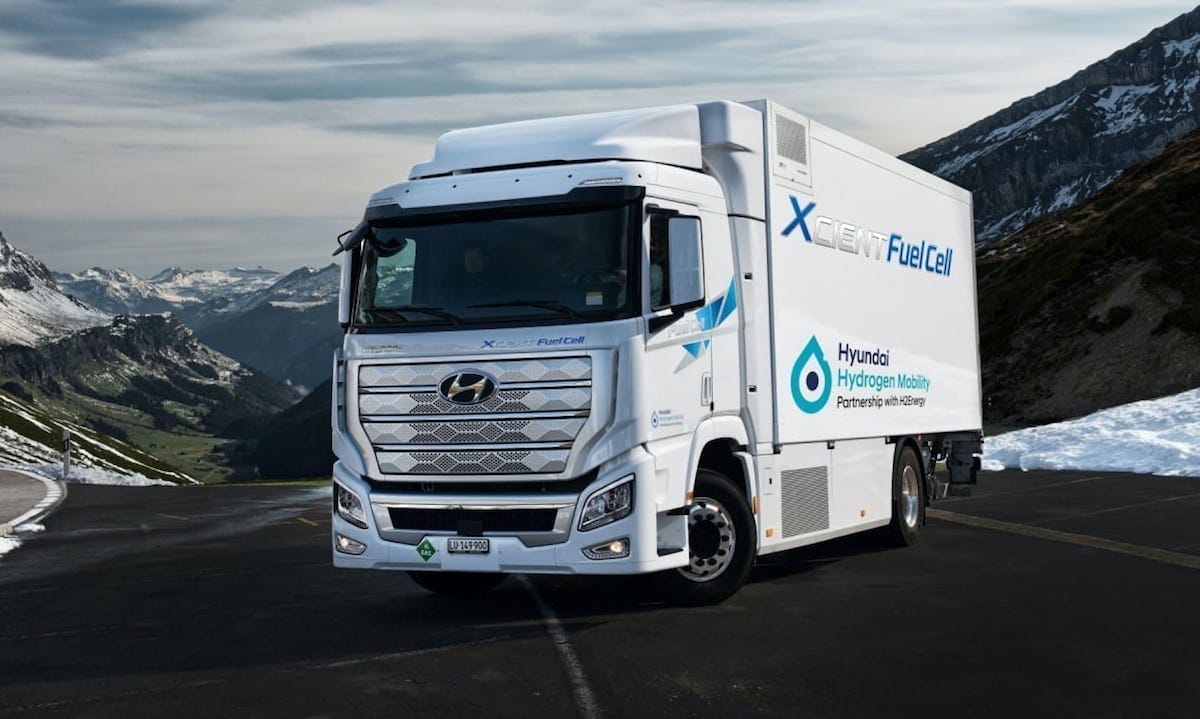
So far, the Hyundai XCIENT Fuel Cell trucks are operational in 10 countries, including the United States, Switzerland, Germany, France, the Netherlands, New Zealand, Korea, Israel, Saudi Arabia, and the United Arab Emirates. In Switzerland, the trucks reached this milestone in just three years and eight months since they began operating in October 2020.
Technical Specifications and Energy Efficiency
Currently, there are a total of 48 XCIENT Fuel Cell trucks operating in Switzerland. These trucks are equipped with two 90 kW fuel cell systems each (totaling 180 kW of power) and a 350 kW electric motor, allowing them a range of over 400 km.
-
Floating Solar Panels Aim for Rougher Seas with Norwegian Rope Mesh Technology, Following DNV Review, Opening New Clean Energy Opportunities in Coastal Areas

-
Olympus Mons: The Solar System’s Tallest Volcano, Over Three Times the Height of Mount Everest, Puzzles Scientists with Its Prolonged Volcanic Activity
-
Alaska’s 1,287 km Pipeline Built on 78,000 Metal Supports to Prevent Thawing, Survives Earthquakes and Remote Forests, Highlighting the Challenge of Hot Oil in a Harsh Environment
-
Renault Sandero: Affordable Used Models Feature 1.6 Engine, 106 HP, 14.7 km/l Fuel Efficiency, and Cruise Control Options.


Compared to a fleet of conventional diesel trucks, which would emit approximately 6,300 tons of carbon dioxide while covering 10 million kilometers, the XCIENT Fuel Cell trucks achieve a significant reduction in carbon emissions. This reduction is equivalent to the amount of carbon absorbed annually by approximately 700,000 pine trees, or the creation of a pine forest of 508 hectares.
Use of Green Hydrogen and Energy
All XCIENT Fuel Cell trucks in operation in Switzerland use exclusively “green hydrogen,” meaning no greenhouse gases are emitted during its production, thereby contributing to creating an eco-friendly hydrogen value chain in Europe.
Continuous Innovation and Future Vision
This achievement also plays a crucial role in advancing hydrogen fuel cell technology and energy. Hyundai Motor continuously analyzes vehicle data on mileage, hydrogen consumption, and fuel cell performance to improve its technology and apply it to different types of vehicles.
Hyundai Motor not only provides XCIENT Fuel Cell trucks in Switzerland but also actively supports the creation of a hydrogen business ecosystem, including the entire value chain of production, charging infrastructure, and hydrogen consumption.
At CES 2024, Hyundai Motor announced the expansion of HTWO, a brand established in 2020 for its hydrogen fuel cell system. HTWO will now serve as the business brand for the entire hydrogen value chain for the Hyundai Group, covering production, storage, transportation, and usage, thus accelerating the transition to a hydrogen-based and sustainable energy society.
Projects and Commitment in the USA
In May, Hyundai Motor presented its vision for hydrogen and introduced its clean logistics business in the USA at the Advanced Clean Transportation (ACT) Expo 2024, underscoring the company’s commitment to building a hydrogen and sustainable energy society.
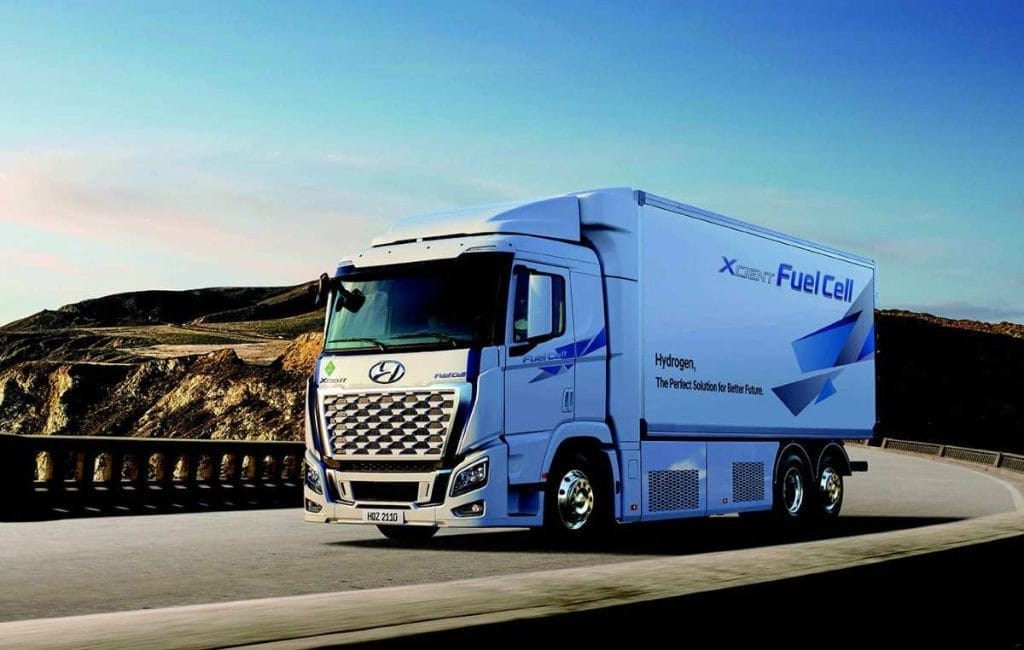
As part of its key hydrogen logistics projects in the USA, Hyundai Motor has implemented the NorCAL ZERO Project, which involved launching 30 XCIENT Fuel Cell trucks in California for container cargo and vehicle transportation. Additionally, the Clean Logistics Project aims to reduce emissions by launching XCIENT Fuel Cell trucks at the Hyundai Motor Group production plant, HMGMA, in Georgia.
Recognized for their reliability and environmental respect, the XCIENT Fuel Cell trucks have been launched in 10 countries, establishing themselves as a viable and sustainable solution for heavy cargo transportation globally.


Palhaçada essa de carbono. As grandes carretas de 9 eixo poderia ter 2 motores, um eletrico e outro a diseel, o eletrico seria um motor e também gerador para absorver a energia sinética que é perdida no freio motor diesel e freio por atrito nos 9 eixos. Essa energia seria acumulada em bateria e usadas posteriormente em conjunto com o motor diseel, simplesmente uma carreta híbrido. Sabe porque não investem nisso? Simplesmente eliminaria o consumo mundial de diseel em 40%. Com isso menos impostos, queda na atividade econômica…etc.
E o Presidente do Brasil continua com a ideia atrasada de perfurar poços de petróleo na Amazônia. E vai comandar o maior evento climático de redução de carbono em Belém do Pará em 2025. Com que cara ele fará isso?se ainda pensa em petróleo?
E o macron chupando óleo de canudinho na Guiana francesa..falam de energias renováveis pra paises emergentes mas a Europa é EUA não pensam assim ,tanto que usam óleo diesel, urânio e carvão pra matriz energética deles,é mais barato pra interesse econômico do seu país.
Na geopolítica ninguém é amigo de ninguém.
Quem pode mais chora menos,e se puder pisar no pescoço do outro ,pisa.
Infelizmente por um lado e felizmente por outro, nosso país assim como o mundo, estão muito longe de não precisarem mais de Petróleo, mesmo porque seus derivados não se resumem a diesel e gasolina, e no que se diz a respeito de preservação de meio ambiente, a Petrobras é Top 1.
Em contrapartida há um boato que de 30% a 40% de que os usuários de veículos elétricos, na Europa é Estados Unidos, voltem a usar veículos a combustão, devido a baixa autonomia, a falta de estrutura no que diz respeito recarga das baterias, além da demora. A tendência é o híbrido.
A dita “foz” fica a 500 km de distância da foz do Amazonia. Onde que dá para dizer que fica na Amazônia?