






 Portuguese
  Spanish




The United States Went Big to Impose New Tariffs Against China, Believing That This Would Strengthen Its Economy. However, The Bet Backfired. Small and Medium American Businesses Are Feeling The Impact of Rising Production Costs, Which Compromises Their Competitiveness and May Affect The Economy as a Whole.
Although the strategy of the United States was designed to boost domestic industry, the practical effects demonstrate that globalization has made dependence on Chinese inputs inevitable. Now, instead of strengthening local businesses, the sanctions end up suffocating them financially.
Trump’s Objective When Returning to The White House
One of the first decisions of the new administration was to escalate the trade war with China. The logic was simple: make it harder to import Chinese products and encourage American production. To achieve this, heavy tariffs were imposed on various products, including essential technological components.
The problem? This strategy directly impacted the electronics market, driving up the prices of items such as graphics cards, which now exceed 3,000 euros. What was once affordable has now become a luxury item, hurting both consumers and American retailers.
-
Brazil to Issue “Panda Bonds” in China, Aiming to Raise Up to 5 Billion Yuan at Lower Interest Rates Than Dollar Debt
-
NATO Faces Internal Tensions as U.S. Pushes for Increased Defense Spending, Targeting 5% of GDP by 2035, with Warnings for Countries Near 2% Level

-
Brazil to Introduce B16 Diesel with Increased Soybean Oil Content for Trucks by 2026
-
Brazil’s July Bolsa Família Payments May Include Extra $150 and $50 for Families with Children, Pregnant Women, and Updated CadÚnico Registration


Small Businesses Feel The Impact First in The United States
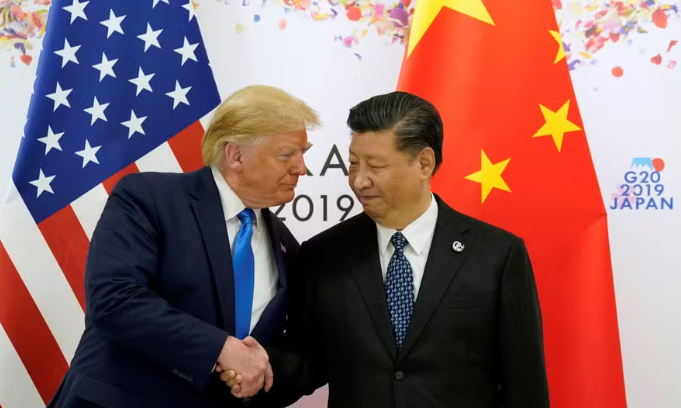
If tech giants can cope with rising costs, the same is not true for small businesses. A clear example is the company Walnut Studiolo, which makes handmade leather products and depends on inputs such as leather, thread, magnets, and special screws.
With the tariffs, these materials became more expensive, forcing the company to raise prices. The result? Decreased Competitiveness and difficulty in maintaining sales. The paradox of sanctions is evident: in trying to harm the Chinese economy, the United States ends up punishing its own entrepreneurs.
Impact on The Supply Chain
The tariffs also affect companies that produce within the United States. After all, many basic inputs come from China, and American suppliers, who depend on these imports, had to readjust their prices.
This created a domino effect: companies had to decide whether to buy materials before prices rose further or risk not being able to sell the stock purchased at high prices. And there’s another issue: some products simply have no substitutes manufactured outside of China, making it impossible to avoid imports.





Os EUA pensava que não precisava nem da china nem do brasil e bom mesmo que tiro saia pela culatra que pra esse Tramp se ferrar
Isso ja esta acontecendo no Brasil. O governo Estadual tachou em 17% e o Governo Federal em 20%. Total 37% os produtos da China. Placas eletrônicas que não é fabricado no Brasil, você é obrigado a importar da China, pagar mais caro e repassar ao consumidor.
Parabéns aos eleitores desse descontrolado.kkkkk😂😂😂😂😂