






 Portuguese
  Spanish


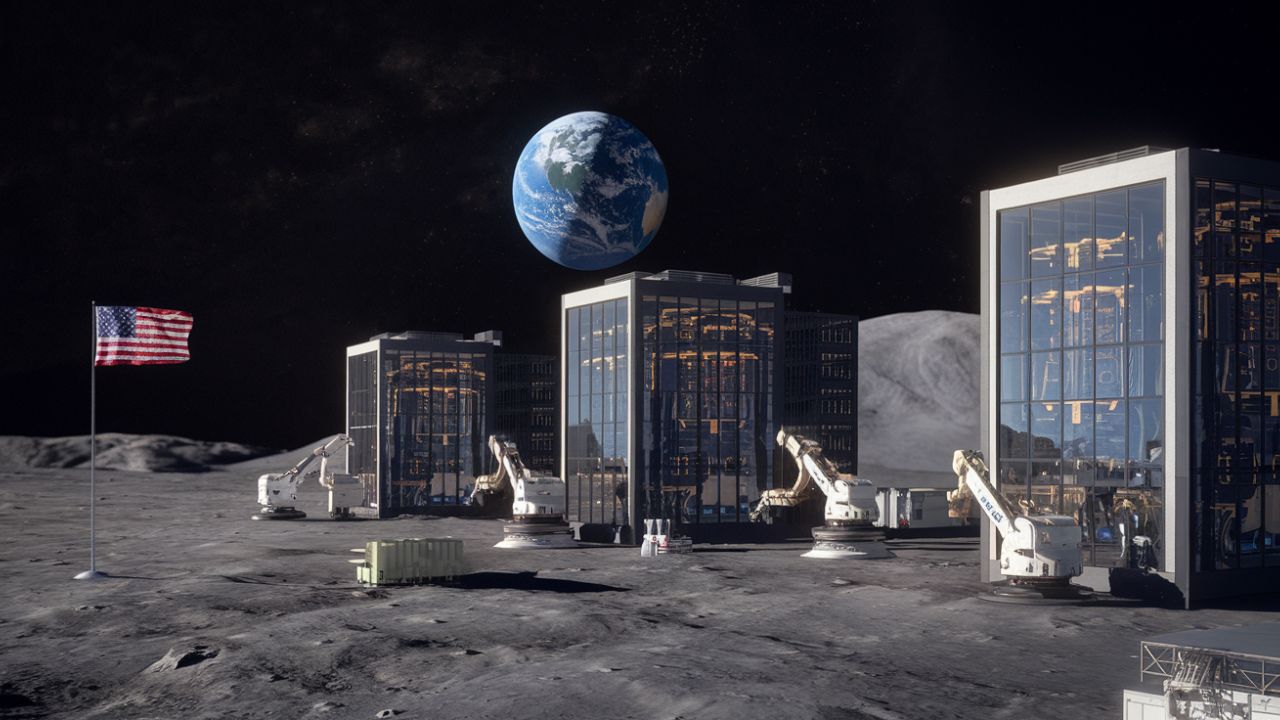


Lonestar Data Holdings’ Pioneering Project Will Bring The First Data Center To The Moon, Utilizing Solar Power And Protecting Data Against Natural Disasters, Cyberattacks, And Geopolitical Conflicts, With A Launch Scheduled On A SpaceX Falcon 9 Rocket.
Imagine looking at the Moon and knowing that it is not just a natural satellite, but also a technological landmark. This is what the United States is about to achieve with the Freedom Data Center project, an endeavor that promises to change the way we store data. But what makes this project so special? Let’s explore together.
The Technological Race Towards The Moon
The Moon has always been a symbol of exploration and great achievements, since mankind’s arrival in 1969. But now, it is becoming a stage for technological advances that go beyond the imaginable. With the increasing need for data storage, the United States is seeking innovative solutions, and the Moon appears to be the next logical step. After all, where else could we think of storing data with such safety and innovation?
Freedom Data Center: The First Lunar Data Center
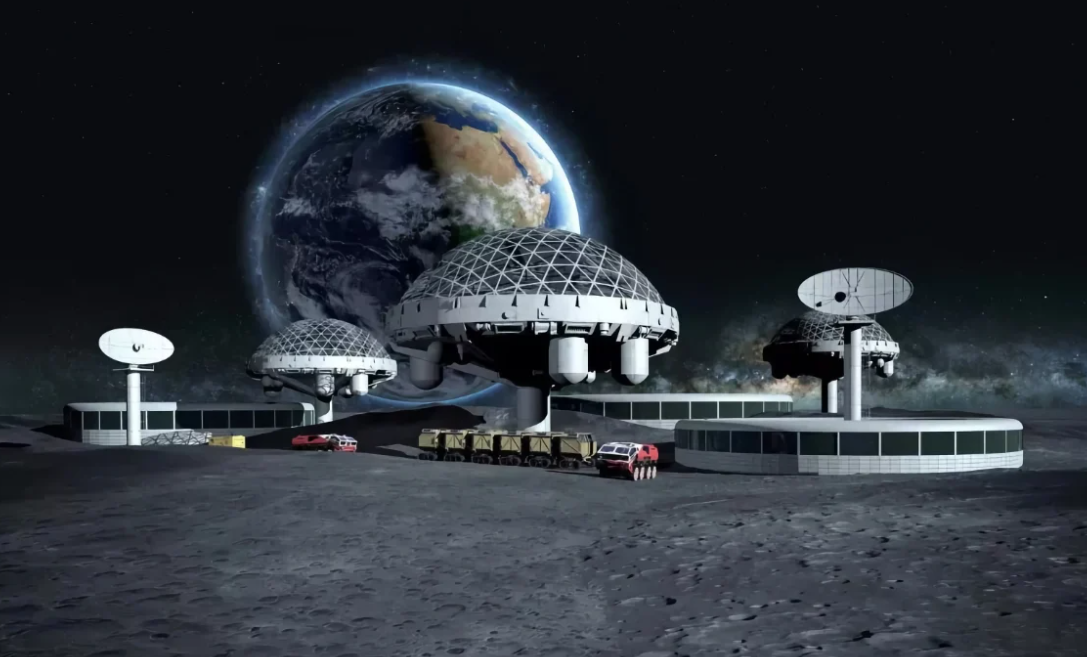
The Freedom Data Center, led by Lonestar Data Holdings, is the first data storage project in space. Scheduled to launch in February, it will be transported to the Moon by a SpaceX Falcon 9 rocket, the company founded by Elon Musk. This initiative is more than just audacity – it is a practical solution to protect critical information from natural disasters, geopolitical conflicts, and cyberattacks, which are common here on Earth.
-
The Trap of Modern Technology: How Screen Overload and Digital Connections Can Impact Your Mental Health and Well-being

-
Wyoming Couple Grows Tropical Fruits Year-Round in -40°C Using Geothermal Greenhouse, Demonstrating Earth’s Heat Can Produce Oranges and Lemons in Snow Without Traditional Heating

-
Ship Returns from Brazilian Coast with Thirty Newly Discovered Life Forms
-
Nigerian Professor Invents Electricity-Free Refrigerator Using Clay Pots and Wet Sand, Extending Shelf Life of Vegetables to 27 Days; 7,000 Units Distributed in Energy-Deprived Villages



Using solar energy and eco-friendly technologies, the lunar data center promises to be sustainable and innovative. Moreover, it will feature solid-state drives, naturally cooled by the Moon’s conditions. Sounds futuristic, doesn’t it? But this is about to become a reality.
The Advantages of The Lunar Data Center
Why the Moon? The answer is simple: security and innovation. A data center outside our planet is protected from earthly threats, such as earthquakes, floods, or hacking attacks. Additionally, the solar power available on the Moon makes the project more sustainable than traditional data centers, which consume large amounts of energy and generate excess heat.
This combination of security and sustainability is one of the project’s biggest attractions. Storing data on the Moon may sound like science fiction, but it is a logical strategy to tackle the challenges of the modern world.
The Technical Challenges of The Lunar Project
Not everything is easy when it comes to bringing technology to the Moon. The extreme conditions of the satellite, such as the extreme temperatures and lack of atmosphere, pose significant technical challenges. Furthermore, the high cost of each mission and the impossibility of retrieving equipment in case of failure make this project a risky undertaking.
To mitigate these risks, Lonestar Data Holdings has already conducted successful tests, such as data storage at the International Space Station in 2021. Additionally, the company will have a backup of the data at a terrestrial data center in Florida, ensuring additional security.
The Impact of The Freedom Data Center On The Tech Industry
This project is not only an achievement for the United States, but also a game-changer for the tech industry. It paves the way for a new era of space data centers, attracting the attention of other companies like Lumen Orbit, which is also investing in the sector.
The competition in this market promises to be fierce, but the Freedom Data Center already stands out as a pioneer. With clients such as the state of Florida and even the band Imagine Dragons, the project shows that the interest in innovative solutions knows no bounds.









Primeiro, que texto repetitivo só ****. Segundo, pq não chama freeMoon? Faria mais sentido.