





 Portuguese
  English
  Spanish
  5 min of reading
  0 comments


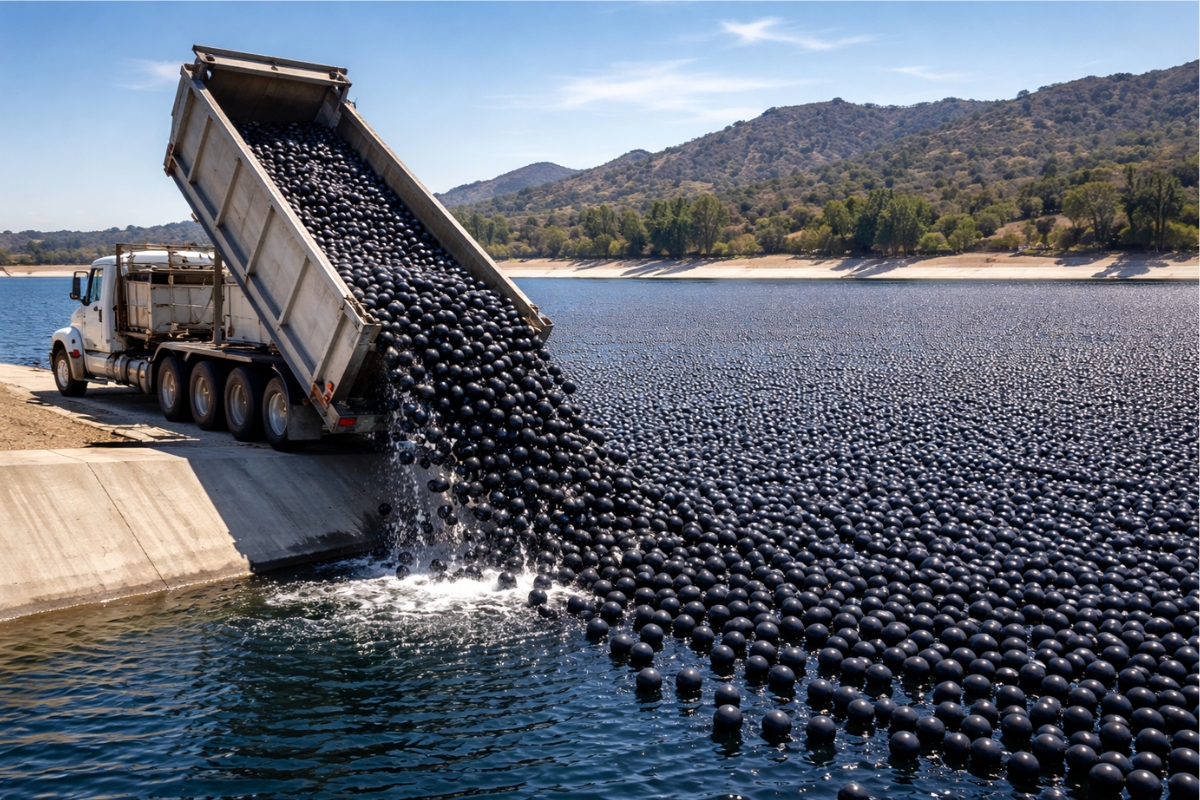
The Shade Balls Cover Helped to Reduce Evaporation, Dismantle Bromate, and Limit Algae, Changing How the City Protects Treated Water
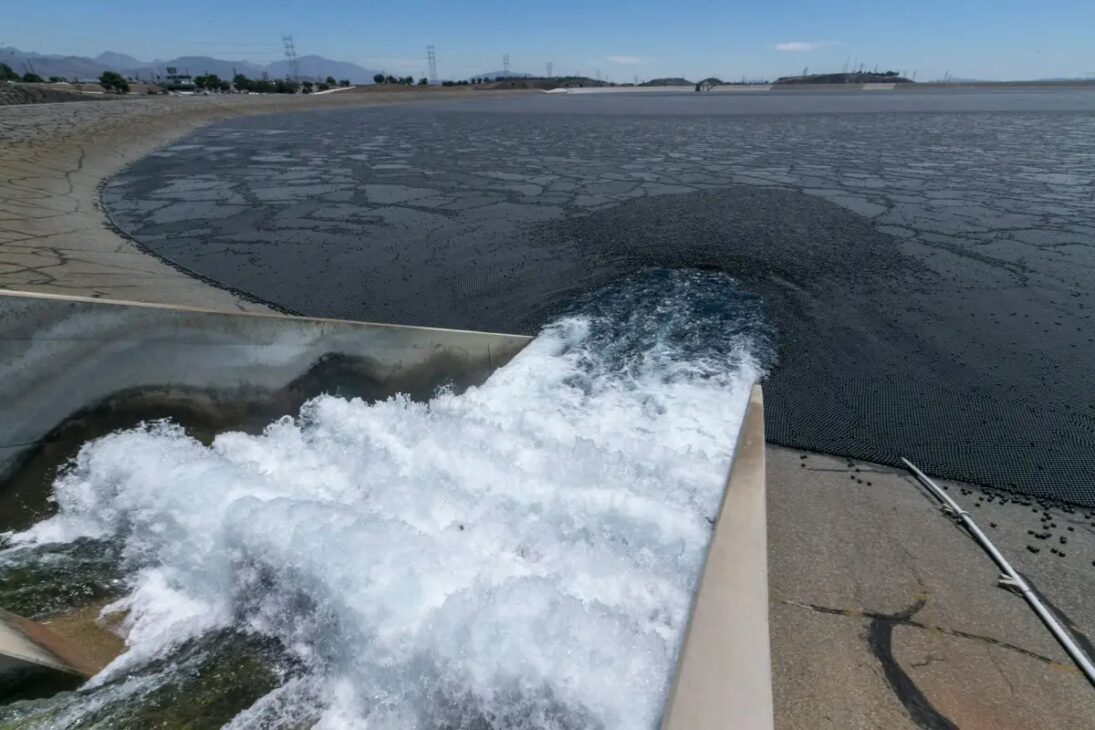
Los Angeles adopted an unconventional solution to protect its water by covering open reservoirs with shade balls, small plastic spheres that float on the surface.
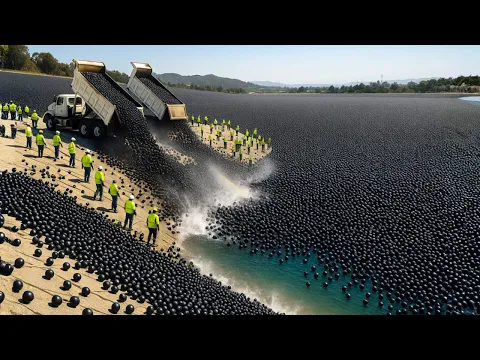
The strategy began in 2009 and scaled up between 2014 and 2015, when 96 million black balls were released into the city’s largest reservoir, the Los Angeles Reservoir.
The impact was direct both in water savings from evaporation and in quality, with a reduction in the formation of bromate, a substance associated with cancer risk when present at elevated levels in drinking water.
-
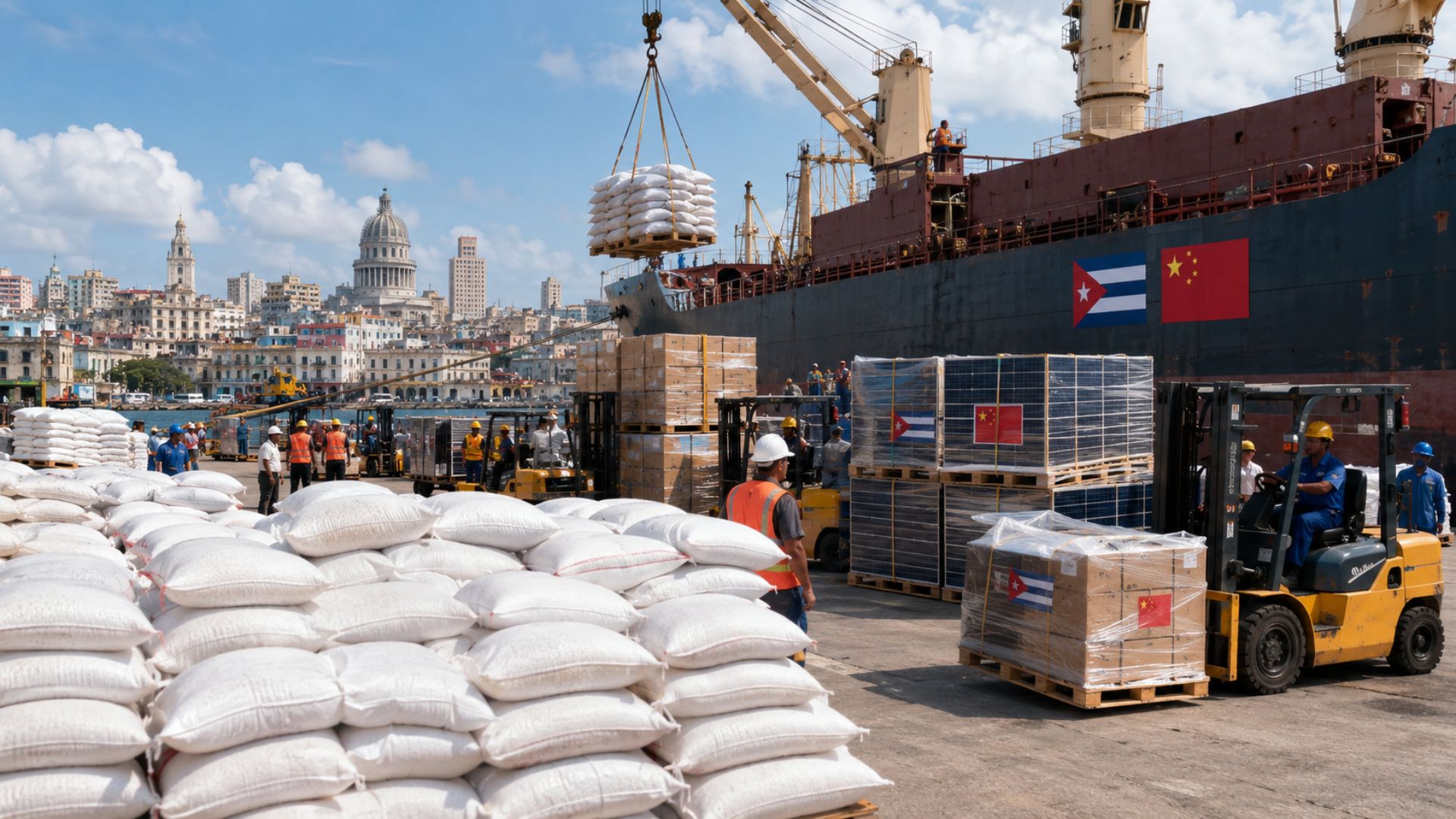
Amid the United States’ economic blockade, China delivers 15,000 tons of rice to Cuba as part of a 60,000-ton donation personally approved by Xi Jinping. The package includes 80 million dollars and solar panels for hospitals.

-
For around 200 reais, anyone can buy a kit and have a chip implanted between their fingers to replace cards, keys, badges, and even medical information in case of a hospital emergency.
-
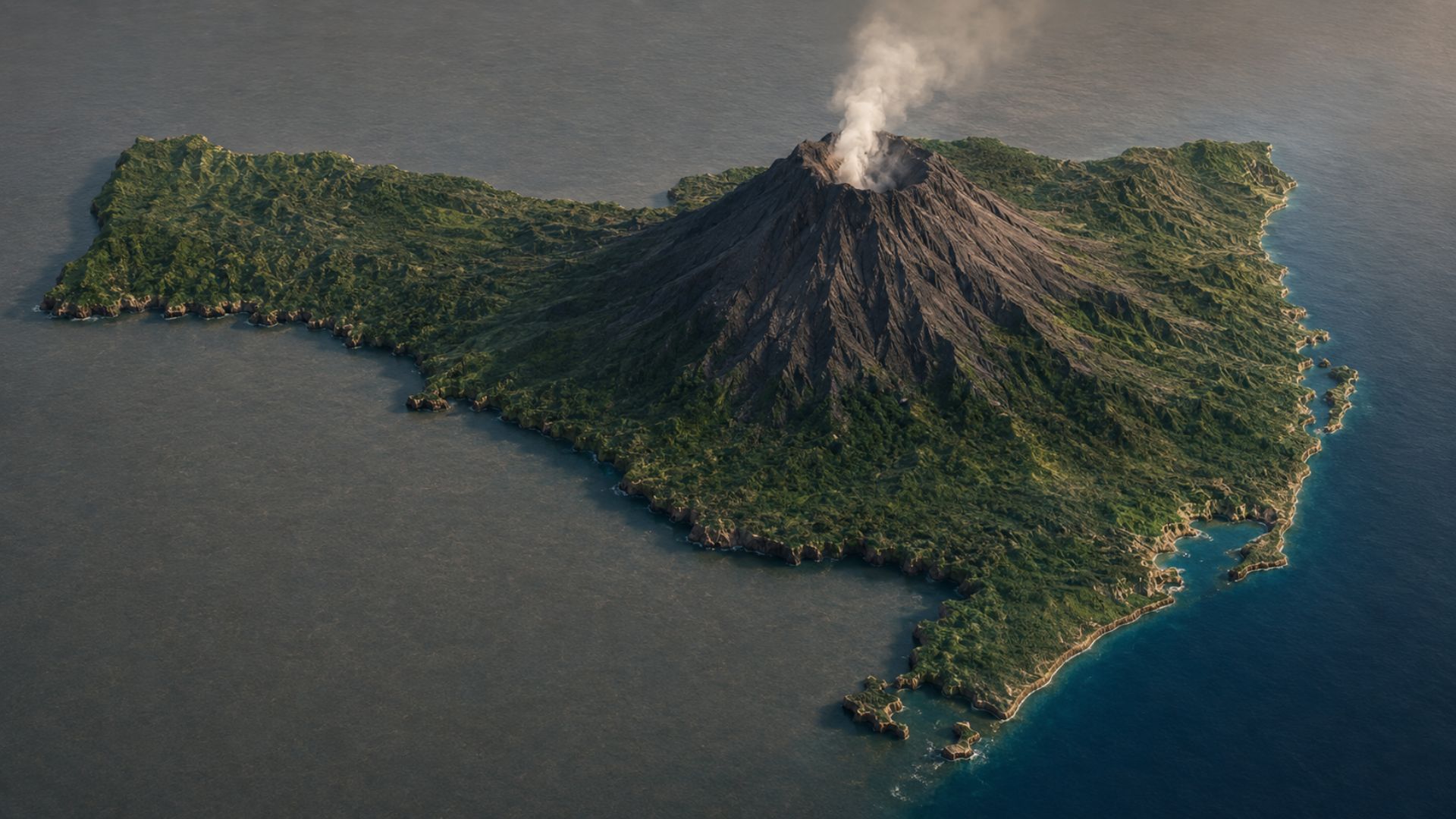
A 600-meter hill in the interior of Santa Catarina hides a volcanic past of almost 600 million years. The Morro do Garrafão in Corupá may have been an ancient extinct volcano, and science now confirms what the residents have always suspected.
-
Family has lived for over 50 years without electricity and running water at home in the South of Minas, 10 minutes from the city, improvising light, bath, and water while facing a lack of basic resources and awaiting property regularization.



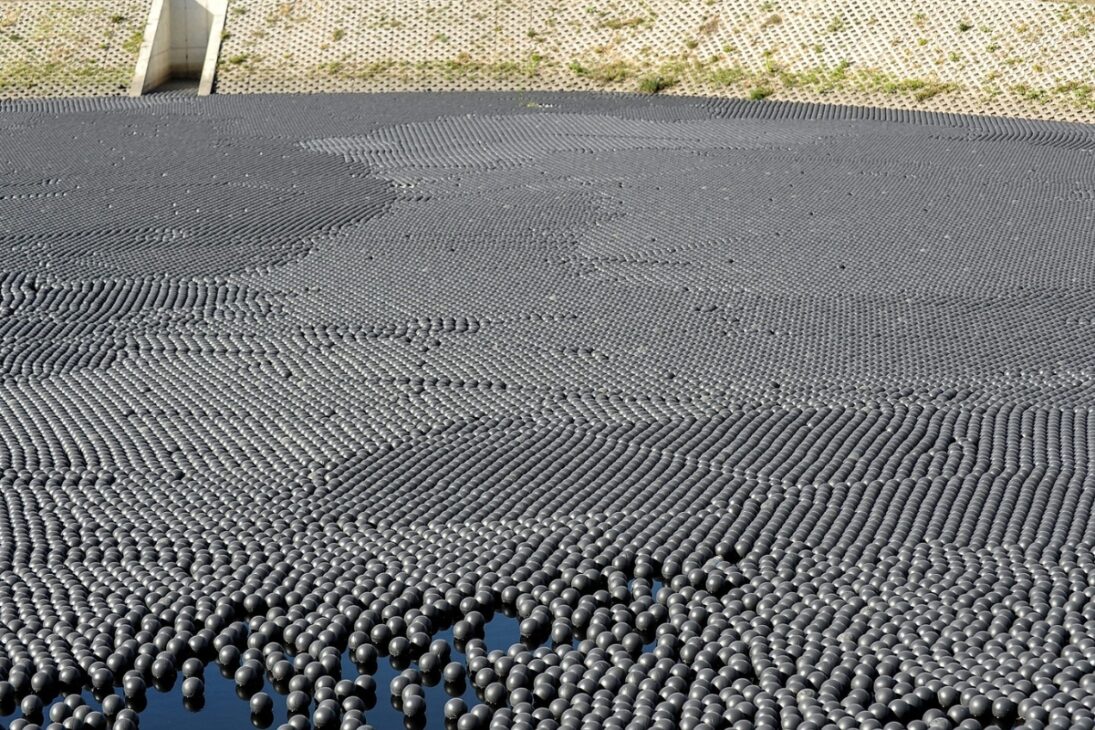
Los Angeles Transformed Reservoirs into a Sea of Black Balls to Protect Water
In 2009, the city placed balls in the Ivanhoe Reservoir and saved 290 million gallons of water in a single year by reducing evaporation.
The results led to the expansion of the project between 2014 and 2015, when 96 million spheres covered the Los Angeles Reservoir, completely protecting the surface from sunlight.
In addition to water savings, the cover began to prevent chemical reactions that elevated bromate along the way between treatment and consumption.
What Are Shade Balls and How Do These Spheres Float Without Sinking
Shade balls are spheres made of high-density polyethylene, the same material used in common plastic packaging in daily life.
The black color comes from carbon black, which protects the plastic from ultraviolet radiation from the sun.
Each ball has a 10-centimeter diameter, slightly larger than a baseball.
They are not completely hollow. Part of the interior is filled with water, which prevents the wind from carrying them away and ensures that they remain floating on the surface of the reservoir.
Bromate in Drinking Water Raised Alarm and Required an Urgent Solution
In the early 2000s, the Los Angeles Department of Water and Power identified elevated levels of bromate in the water.
Bromate is a substance considered carcinogenic when present at high concentrations in the supply.
It forms from the reaction between bromide, a normally harmless compound, and ozone, under favorable conditions.
For this reason, treatment systems must maintain the level below 0.01 milligram per liter, a limit considered safe for human consumption.
Understand How Sunlight, Chlorine, and Ozone Elevated Bromate in Reservoirs
The problem became evident when a beverage company detected levels of bromate nearly three times above the safe limit.
The treatment plant showed normal levels, indicating that the increase occurred after treatment.
The analysis revealed an open reservoir between the plant and the consumption point.
In these environments, sunlight favors the presence of ozone, while the chlorine used to control algae acts as a catalyst for the reaction that generates bromate.
Covers, Tarpaulins, and Other Costly Ideas Were Discarded Before the Final Decision
One of the first proposals evaluated was to install floating covers over the reservoirs.
The estimated cost exceeded 300 million dollars, in addition to complicating access and maintenance.
Another alternative involved large tarpaulins suspended over the water.
Although effective, they required complex structures that were unfeasible for large reservoirs, leading to the idea being discarded.
The Simple Solution that Turned an Improbable Idea into Public Policy
The final proposal was presented by retired biologist Brian White.
The inspiration came from spheres used to prevent birds from landing on lakes and pools.
Tests showed that completely covering the water’s surface effectively blocked the light.
In controlled experiments, the shade balls quickly reduced bromate, confirming the feasibility of the solution.
After the Installation of the Balls, Evaporation Decreased, and Bromate Dropped
The implementation began in 2009, with 400,000 balls in the Ivanhoe Reservoir.
The light stopped reaching the water, and bromate levels fell significantly.
As an added benefit, there was a savings of 290 million gallons of water in one year.
In 2015, the project was expanded to 96 million balls in the Los Angeles Reservoir, covering 708 acres and maintaining between 12 and 15 meters of water below the surface.
The Choice of Black Color Was Decisive in Reducing Heat, Evaporation, and Wear
Despite the appearance, the black color helped block radiation before it reached the water.
The carbon black pigment absorbs sunlight and reduces the transfer of energy to the water.
As the balls are partially filled with water, the internal air serves as a thermal insulator.
This reduced evaporation by about 80 to 90 percent and increased the durability of the material exposed to the sun.
Light Blocking Also Reduced Algae and Decreased Use of Chemicals
Sunlight is essential for algae growth in open reservoirs.
Without sufficient light, photosynthesis is interrupted, and algae stop proliferating.
With fewer algae, the system requires less chlorine in water treatment.
This reduces operational costs and avoids undesirable visual changes during periods of intense heat.

Other Countries Follow the Model, but Experts Point Out Limitations
The strategy caught the attention of other countries facing significant losses due to evaporation.
Turkey evaluated the use of balls after a six-year water crisis, seeking to reduce losses and keep animals away from the water.
Spain conducted smaller-scale tests, while Jordan and Morocco also adopted similar solutions.
Critics point to the volume of water used in production. 2.9 million cubic meters were needed to manufacture 96 million balls, while by March 2017, after 19 months, the savings were 1.7 million cubic meters, with a return estimated at two and a half years.
Los Angeles proved that shade balls can simultaneously reduce evaporation, limit algae, and contain bromate formation.
The city combined water protection, operational savings, and sanitary safety by transforming its reservoirs into a simple, large-scale solution, using 96 million floating spheres as a permanent barrier against the sun.








-

1 person reacted to this.