Portuguese
  Spanish


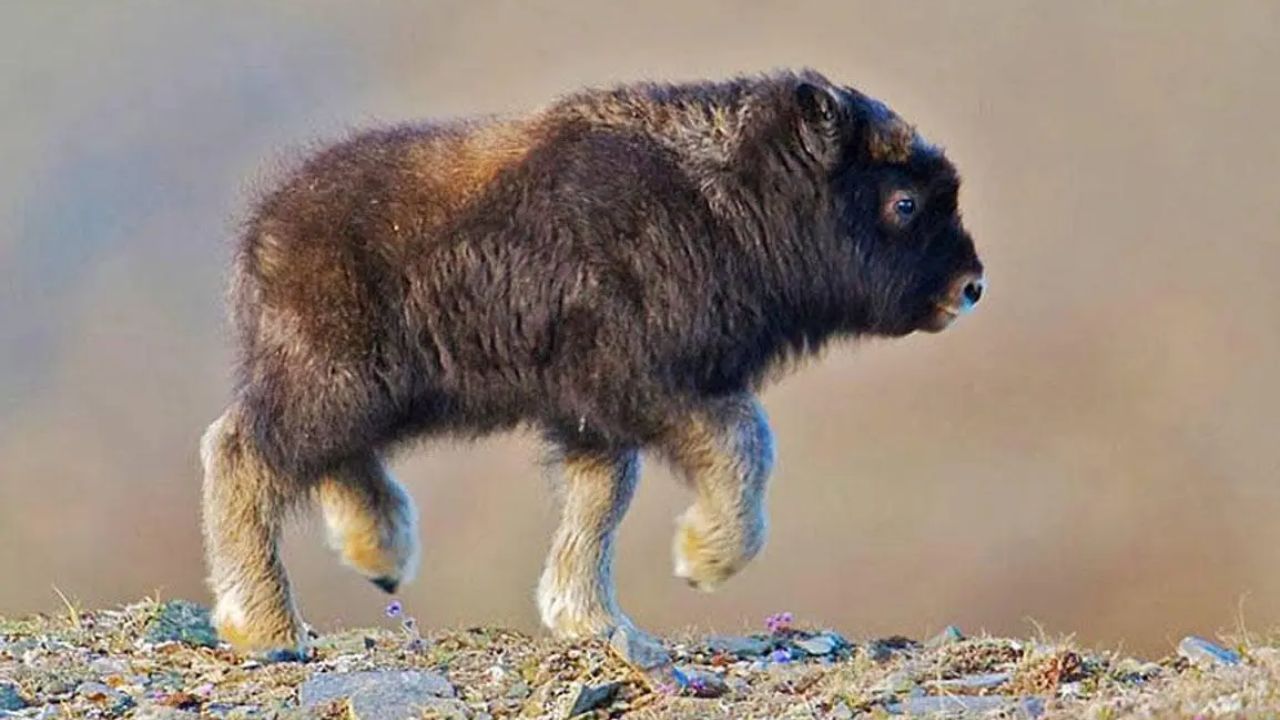


Learn How the Musk Ox Calf Is Born in the Arctic, Its Adaptations to Extreme Cold, and Why the Species Is a Symbol of Resilience in Nature.
Amid the intense cold of the Arctic, the musk ox calf (Ovibos moschatus) catches attention for its impressive ability to survive.
Birth occurs in the frozen regions of Canada, Greenland, and Alaska, usually in spring, when the herd finds better food conditions.
The small calf is born heavy, covered in dense fur, and within a few hours, it can stand up and walk.
-
Miguel Krigsner opened a small compounding pharmacy in Curitiba in 1977, turned Brazilian fragrances into a national success, and created O Boticário, now one of the largest beauty networks in the world.

-
Meet the charming parrot grandpa, who became known for hugging free birds and revealed how he gained their trust over the years.
-
After 18 years of development, Bridgestone launches the AirFree airless tire, which requires no inflation and is puncture-proof, into daily service in Japan, starting with autonomous vehicles up to 20 km/h, used for transporting elderly people.

-
Couple buys 1905 colonial house, plans to tear down walls to unite three rooms, but finds hidden service staircase and rethinks the entire renovation to preserve details that have survived for over a century.



This quickness is essential, as it ensures protection against predators and prevents the calf from being left behind. The extreme adaptation exists because, in this hostile environment, survival depends on acting fast.
First Moments of the Musk Ox Calf
At birth, the calf of this species weighs between 9 and 14 kilograms. Despite its fragile appearance, it shows strength from the beginning. Within a few hours, it accompanies its mother through the snow, something rare among large mammals.
Moreover, this early ability is no coincidence. It is the result of thousands of years of evolution in one of the harshest climates on the planet.
Fur of the Musk Ox Is a Natural Shield Against the Cold
The calf is already born protected by a thick fur called qiviut. It is one of the warmest natural fibers in the world, capable of insulating heat even when temperatures drop to –40 °C.
Meanwhile, the biting wind of the Arctic poses no significant obstacle. The layer of fur acts as a true natural thermal coat.

Group Defense Ensures the Calf’s Survival
The musk ox lives in very organized groups. Whenever there is danger, the adults form a circle around the calf, positioning their horns outward.
This collective behavior is essential against wolf attacks and other threats. Therefore, the calf’s survival depends not only on the mother but on the entire herd.
Physical Characteristics of the Adult Musk Ox
In adulthood, the musk ox can exceed 400 kilograms and reach more than two meters in length. Interestingly, despite the name, it is genetically closer to goats than to cattle.
Additionally, both males and females have long, curved horns. During the breeding season, males release a strong odor, musk, which gave rise to the species’ name.
Feeding and Movement Throughout the Year
In summer, the musk ox seeks out more humid areas rich in vegetation. In winter, it changes strategy. It moves to higher regions where the snow is less deep.
With its hooves, it digs through the frozen ground in search of food. This behavior ensures that even the calf, still developing, has access to the necessary nutrients.
Conservation and Importance of the Species
Historically, excessive hunting caused the musk ox to disappear from parts of Alaska.

However, reintroduction and conservation programs throughout the 20th century ensured that the species not only returned to the region but also spread to areas of Norway, Sweden, Russia, and Iceland. Today, each calf represents a symbol of success in Arctic life preservation.
The birth of a musk ox calf is a reminder of the balance between strength and delicacy in nature.
With curious eyes and a body covered in thick fur, the little one is born ready to face polar winds alongside its mother, showing that even in the most extreme environments, life finds ways to thrive and flourish.
Source: Compre Rural