Portuguese
  Spanish


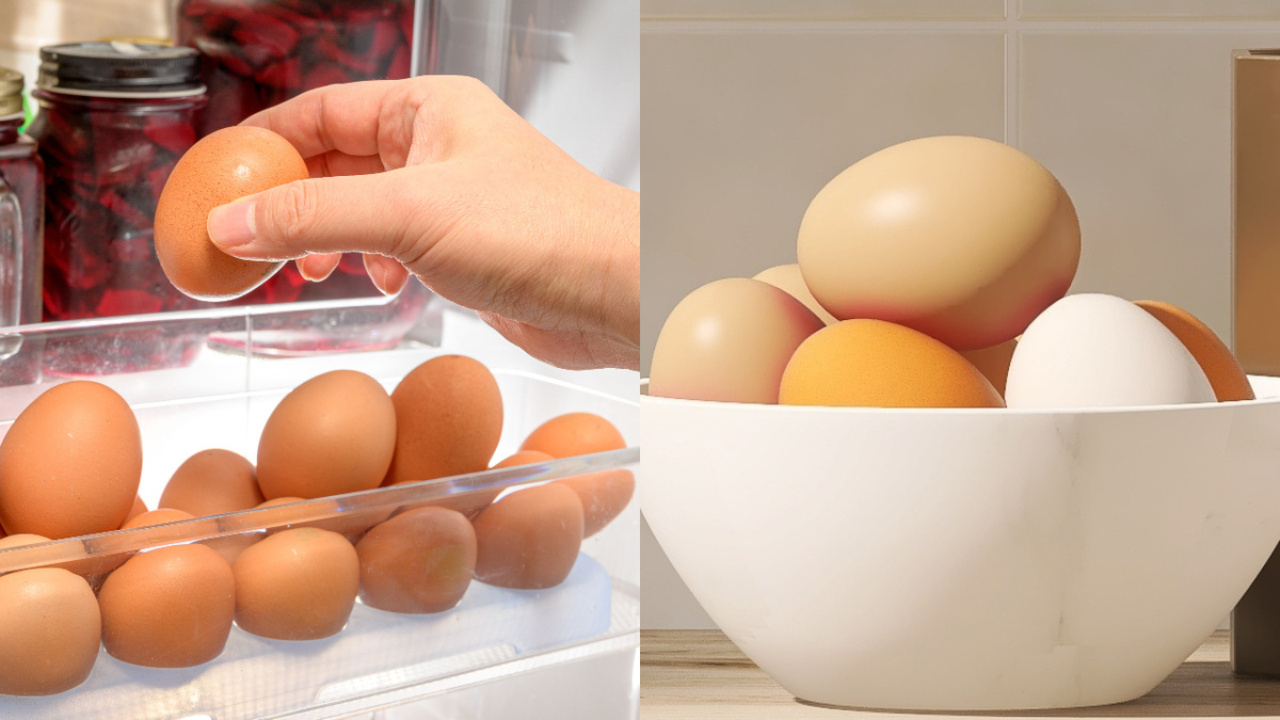


Learn How to Store Eggs in the Refrigerator Safely and Extend Their Shelf Life. Check Storage Tips, Freshness Tests, and Care for Raw and Cooked Eggs.
Whether or not to store eggs in the refrigerator is a common doubt in Brazilian kitchens.
This food, one of the most consumed in the world, is rich in nutrients and quite versatile, but it also requires care when it comes to preservation.
Since its shell, while functioning as a natural barrier, is not sufficient to protect against microorganisms, storage failures can reduce shelf life and even increase contamination risks.
-
At 17, she hand-painted her first watercolor design for school uniforms; her brand grew without investors, sold 135,000 pieces, and aims for $3 million in revenue by 2026.

-
Shell Discovers Intact Early 19th-Century Wooden Shipwreck in the Gulf of Mexico at Over 1,300 Meters Deep
-
Brazilian Entrepreneur Turns Door-to-Door Jewelry Sales into a Family Business Empire with Over 70 Stores

-
$75 Million Bridge in Brazil Opens to Connect Cities, Create Jobs, and Cut Travel Time from 30 to 2 Minutes; Spanning 1.24 km, It’s Among the Country’s Largest and Ends Decades of Ferry Queues.




Therefore, understanding how long eggs can last in the refrigerator and which practices ensure greater safety is essential to avoid health problems and waste.
Why Store Eggs in the Refrigerator?
In Brazil, the official recommendation is to keep eggs in the refrigerator. This is because, unlike some countries that carry out industrial processes for cleaning and coating the shell, here transport and sales usually occur without refrigeration.
In these conditions, keeping the food in a cool and stable environment is the best way to extend its shelf life.
Out of the refrigerator, the shelf life drops to about a week, varying according to the ambient temperature.
In the refrigerator, when stored properly, eggs can last from 3 to 5 weeks.
Where to Store Eggs in the Refrigerator?
A common mistake is placing the egg carton in the door of the appliance. Although it seems practical, this space experiences temperature changes with each opening, which accelerates deterioration.
The ideal is to reserve an inner shelf, where the cold remains more stable and helps better preserve the food.
How to Tell if an Egg Is Still Good?
Even when stored in the refrigerator, it is important to test the quality of the egg before consumption.
One of the most well-known methods is the water test: simply place the egg in a full glass. If it sinks and lies flat, it means it is still fresh.
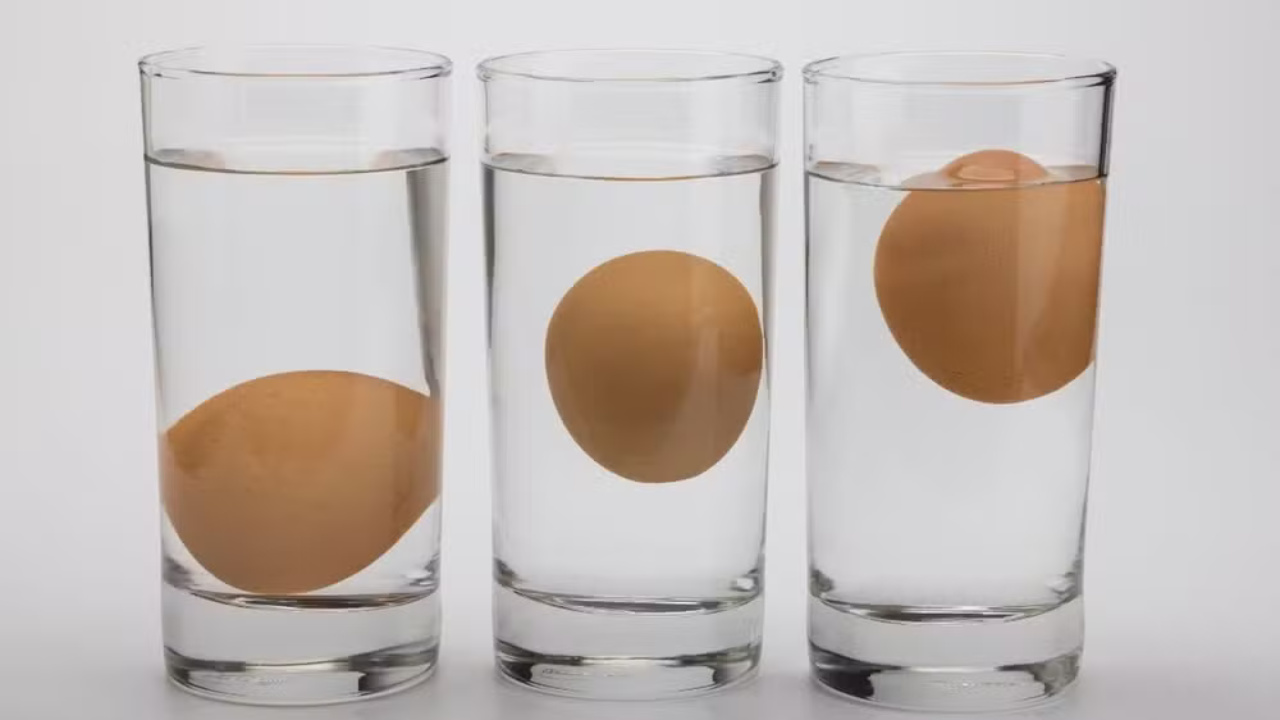
If it floats and rises to the surface, it’s a sign that it’s gone bad and should be discarded.
Another practical technique is to use your cellphone’s flashlight.
By shining a light through one end of the shell, you can observe the interior: if the color is light or yellowish, the egg is suitable for consumption.
If it exhibits a dark or unusual color, it’s best not to take the risk.
You can also resort to the traditional method: crack the egg into a separate container before using it.
Changes in smell, color, and a more liquid consistency are indications that it is no longer fit for consumption.
Can I Freeze Eggs?
Yes, freezing is possible, but it requires attention.
The egg should not be frozen with the shell, as the internal liquid expands and can break it.
The best approach is to crack the egg, lightly mix the white and yolk, and store it in appropriate containers.
It’s also possible to freeze the separated parts.
The whites maintain their original texture after the process, but in the case of yolks, it’s ideal to add a small amount of salt to prevent changes.
In this way, the food can last up to a year frozen.
How Long Do Cooked Eggs Last in the Refrigerator?
Cooked eggs have a shorter shelf life than raw ones. When kept in the shell and in the refrigerator, they can be consumed within seven days, as long as they are stored in a closed container.
Once peeled, however, the time frame drops to just one day. Even if they appear to be in good condition after that period, the risk of food poisoning increases significantly.
What to Consider in Everyday Life
Keeping eggs in the refrigerator is the most effective way to preserve the food for a longer time and reduce contamination risks.
However, consumers should always check the appearance and, especially, the smell before using them.
With some simple precautions, such as storing them in the right place in the refrigerator, avoiding sudden temperature changes, and resorting to quick tests, it’s possible to ensure food safety and make the most of this ingredient so present in Brazilian meals.
Source: TechTudo