






 Portuguese
  Spanish


The Increase in the Use of Weight Loss Injectables Reveals Silent Impacts on Physical and Mental Health, Driving Discussions About Aesthetic Standards, Digital Influence, and Risks of Consumption Without Specialized Guidance.
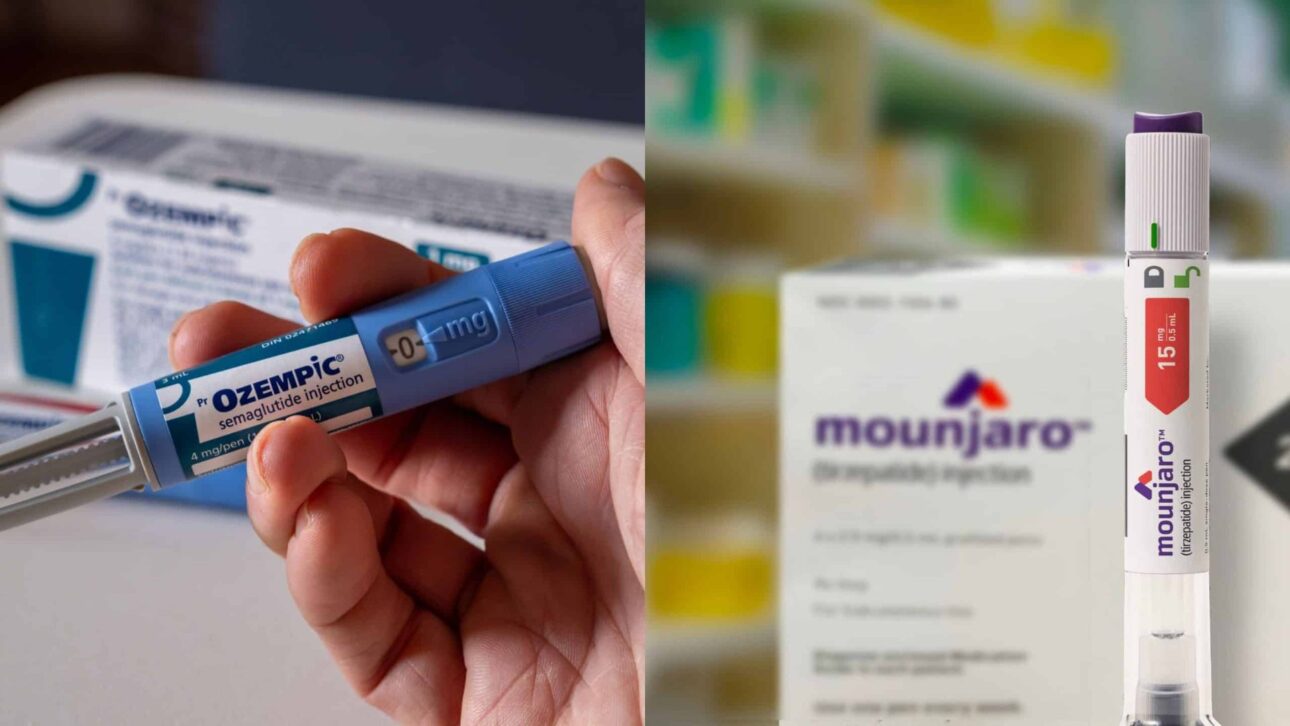
The significant growth in the use of weight loss injectables, such as Ozempic and Mounjaro, has transformed the public health landscape in Brazil, triggering problems that go beyond physical issues.
From increased smuggling to seizures, thefts, falsified prescriptions, and uncontrolled marketing, the popularity of these weight loss medications creates an environment of multiple risks.
Experts assess that, in addition to medical consequences, there is a significant psychological impact on those using these products without proper guidance.
-
Eight Artists Secretly Lived in a Hidden 70m² Apartment Inside a Shopping Mall in Brazil for Four Years

-
Artist Lives in Giant Wooden Egg Over a UK River to Observe Tides and Environmental Changes
-
Over 20 Metal Drums Repurposed into School Transport Train Boost Attendance in Australian Aboriginal Community

-
Abandoned Coal Crane at Copenhagen’s Old Port Transformed into Luxury Waterfront Retreat with Spa and Ship Views




The Impact of Social Media on the Consumption of Weight Loss Injectables
According to Dr. Ana Paula Nunes, a PhD in Neurosciences from the Federal University of Bahia (UFBA) and psychologist in the Treatment Program for Obesity at Clínica AMO and Instituto Sereu, social media influence plays a determining role in the growing adherence to the use of weight loss injectables.
“The excessive comparison with influencers displaying fit bodies worsens body dissatisfaction and low self-esteem, in addition to increasing anxiety prevalence and depressive symptoms, especially among those who are already vulnerable,” explains the specialist.

Exposure to idealized images on social media, often associated with the promise of rapid weight loss, promotes constant comparison behaviors and vigilance over one’s body.
The specialist, in an interview with the newspaper A Tarde, further adds that “excessive exposure on social media generates constant social comparisons, increases body surveillance, and reduces self-esteem, especially in those who already have some psychological predisposition. This intensifies the emotional suffering of these individuals, who start trying to fit into an idealized and unattainable standard.”
Psychological Consequences of Uncontrolled Use of Weight Loss Injectables
The phenomenon of uncontrolled use of weight loss injectables leads many individuals to place their hopes exclusively in weight loss medications, without seeking real lifestyle changes.
In this context, the medication becomes a kind of emotional anchor, functioning as an attempt to control the body.
As Ana Paula emphasizes, “the use of weight loss injectables serves as an emotional anchor for body control, but without addressing psychological causes that contribute to overeating and without actions that promote a healthy lifestyle. The search for ‘quick and magical solutions’ is not lasting and can lead to weight regain.”
The problem worsens when the use of weight loss injectables occurs without medical and psychological oversight, especially among individuals who already suffer from eating disorders like binge eating, bulimia, and anorexia.
The absence of specialized supervision can increase the risk of relapses and worsening symptoms.
“Moreover, symptoms of anxiety and depression can be causes or consequences of overweight/obesity and if not adequately treated, including a mental health approach, can worsen the condition,” highlights the psychologist.
Warning Signs for Problems Related to Weight Loss Injectables

The onset of psychological suffering often progresses silently, making it difficult for both the individual and their family and friends to recognize the symptoms.
In pursuit of the so-called “perfect body,” many only seek help in critically compromised situations when their physical and mental health is at stake.
Self-care, according to professionals, should be based on realistic goals and valuing functional health.
Some behaviors are warning signs for potential harm caused by the misuse of weight loss medications, such as:
- Frequent comparison with other bodies
- Constant checking of one’s image in the mirror
- Repetitive measurement of weight and body measurements
- Eating to relieve emotions such as anxiety, stress, or sadness
“Behaviors such as eating in secret, feeling guilty after eating, forcing oneself to vomit after meals, intense anxiety when eating, excessive perfectionism, unreasonable self-demands, mood instability associated with weight and body image, extreme fear of gaining weight, or binge eating are also concerning,” warns Ana Paula Nunes.
The Importance of Psychological Support During the Use of Weight Loss Medications
Psychological support becomes essential in the weight loss process, especially when associated with the use of weight loss injectables like Ozempic and Mounjaro.
As the specialist explains, the psychologist conducts a thorough clinical evaluation, analyzing the patient’s relationship with food, body image, and potential symptoms of anxiety, depression, or eating disorders.
The treatment involves:
- Psychoeducation about the limits of weight loss medications
- Promotion of sustainable lifestyle changes
- Learning about emotional regulation
- Development of self-compassion and body acceptance
- Reduction of internalization of unrealistic aesthetic standards
“The psychologist will act through a complete clinical assessment, including the history of the relationship with food, body image, investigation of symptoms of anxiety, depression or eating disorders and other psychopathologies,” points out Ana Paula Nunes.
Psychological support helps individuals develop a more balanced relationship with their body and food, preventing external expectations from directing their health decisions.
Professionals emphasize that the use of weight loss medications should always be guided by specialists, avoiding self-medication and dangerous practices.
The weight loss injectables, when well-prescribed and monitored, can be allies in the treatment of excess weight.
However, specialists warn that relying exclusively on these products, without a profound change in behavior and psychological support, tends to bring elevated risks and unsatisfactory results.
Mental health, according to professionals, cannot be neglected at any stage of the process.
Given the growing popularity of these weight loss medications and their direct impacts on the mind and behavior, a key question arises: What should be the limit between the desire for weight loss and comprehensive care for mental and physical health?




